
Pişi (Turkish Fried Dough): Soft, Non-Greasy Whole Wheat Pişi
The Story of Pişi
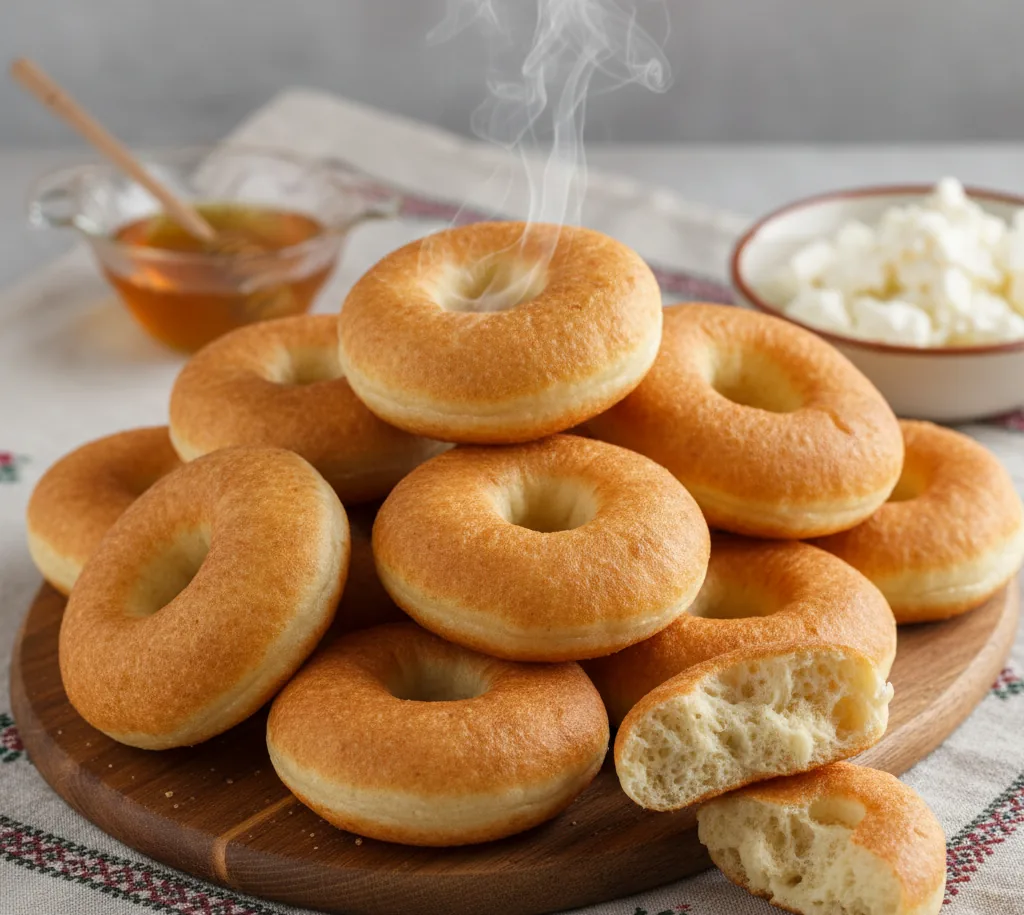
Pişi is more than fried dough. In many corners of Anatolia, it is the crispiest form of happiness, celebration, and sharing. Sometimes called “lokma” or “bişi,” it has long been a treat made for good news, holiday mornings, or after a wish comes true, and often shared with the neighbors. That sizzle from the pan is the warmest sign that something good is happening at home.
It usually shows up during the most relaxed, enjoyable hours of the day. The whole wheat pişi that came out of our grandmothers’ hands were more than something to eat for breakfast; they were a ritual that brought the family together. Nothing goes better with a steaming glass of tea, and with fresh cheese and olives it leaves a lasting impression on your palate. It is a tradition that grows the more you share it. In the past, plates of warm pişi were passed between neighbors, and today, when it fries up in our own kitchen, it still whispers that same neighborly, family warmth.
Pişi (Turkish Fried Dough): Soft, Non-Greasy Whole Wheat Pişi
Ingredients
Yapılışı
- Mix the yeast, sugar, warm water, and milk, and let it sit for 5 minutes until foamy.
- Add the oil, vinegar, flours, and salt, and knead into a soft dough that sticks slightly to your hands.
- Let the dough rise for 1 hour.
- With oiled hands, pinch off pieces of dough and gently poke a hole in the middle (so the inside cooks through). Fry in hot oil, turning to cook both sides until golden.
Püf Noktaları
⭐ Did you try this recipe? Leave a star rating below and tell me how it turned out; your comment helps other readers too.
Tips for Non-Greasy Pişi
The secret to pişi that doesn’t soak up oil is getting the oil to the right temperature. Drop a small piece of dough into the oil; if it immediately rises to the surface and puffs up, the oil is ready. Pişi dropped into cold oil will absorb it.
The vinegar in the dough also helps cut down on oil absorption. Oil your hands while shaping the dough, and let the shaped pişi rest for another 10 minutes before frying.
Serving and Storing
After frying, transfer the pişi to a plate lined with paper towels. Serve them hot with white cheese (beyaz peynir), olives, honey, or jam.
Pişi is best eaten fresh. You can refrigerate any leftovers and reheat them briefly the next day in a pan or an air fryer.
You May Also Like
- Bazlama Recipe: Fluffy Handmade Turkish Flatbread for Sunday Morning
- Ispanaklı Tartolet (Turkish Spinach Tartlets) Recipe
- Pankek Recipe (Turkish-Style Fluffy Pancakes)
Frequently Asked Questions About Pişi
Why is my Turkish pişi dense and not puffing up?
Most often the yeast was not fully active or the dough did not rise long enough. Make sure the yeast mixture turns foamy within 5 minutes, and use warm water, not hot, since hot water can kill the yeast. Also give the dough its full 1 hour and keep it soft and slightly sticky, because a stiff dough puffs less.
Why is my pişi golden outside but raw inside?
The oil is probably too hot, or the pieces are too thick. Lower the heat to medium so the dough can cook through as it browns, ideally around 170-180°C (340-355°F). Keep each piece fairly flat and poke a hole in the middle, which lets heat reach the center.
Can I prepare the pişi dough the night before?
Yes, you can refrigerate the dough overnight in a well-covered, lightly oiled bowl. The cold slows the rise, so let it sit at room temperature for about 30 minutes before shaping, until it looks puffy and soft. Do not keep it out for long periods, and use it within about 24 hours.
What can I use instead of milk or vinegar in pişi?
You can replace the 1/2 cup (100 ml) milk with the same amount of warm water or an unsweetened plant-based milk. For the vinegar, use the same amount of lemon juice, about 2 teaspoons. The pişi may be slightly less tender or crisp, but the dough will still work.
Can I freeze pişi, and how do I reheat it?
Yes, though pişi is best fresh. Cool the fried pieces completely, freeze them in a single layer, then store in an airtight container for up to 1 month. Reheat from frozen in a preheated oven or air fryer for a few minutes until hot and crisp. Avoid the microwave, which makes them soft and chewy.
Similar recipes
 3 hr 10 min
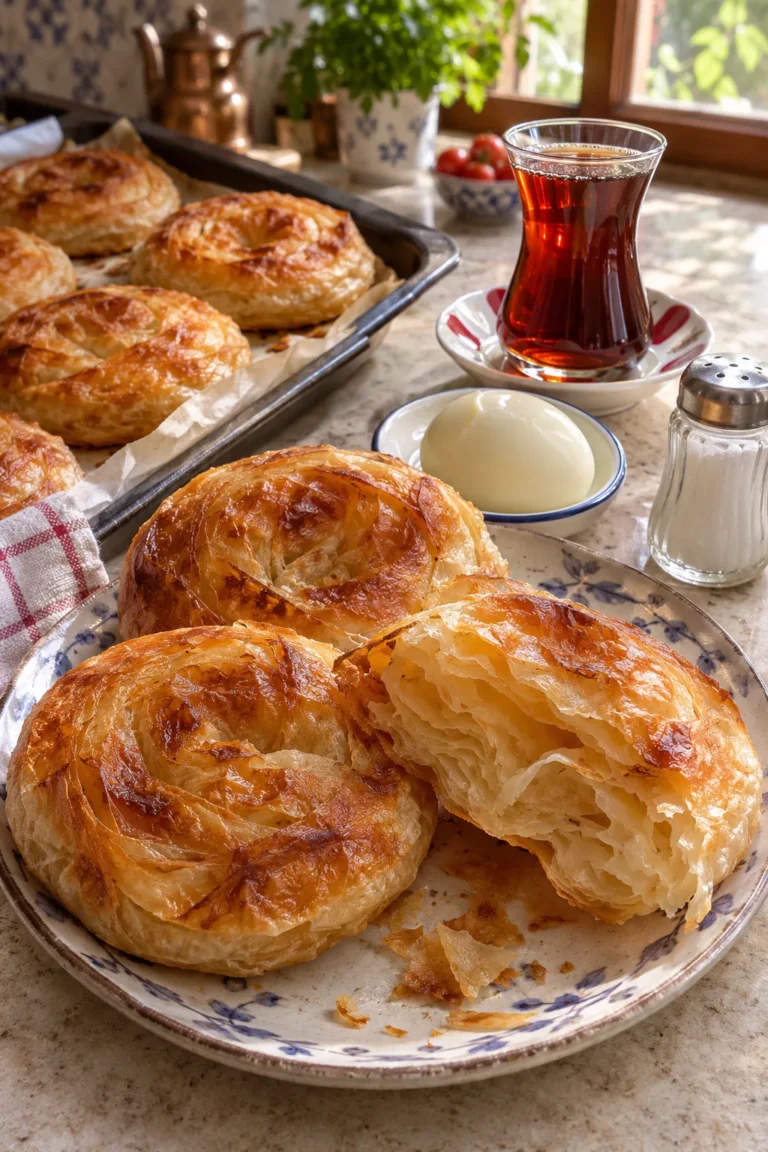
Homemade Izmir Boyoz (Layered, Crispy Turkish Pastry)
 17 min
Menemen (Turkish Scrambled Eggs with Tomatoes & Peppers) for a Slow Sunday Morning
 1 hr 40 min
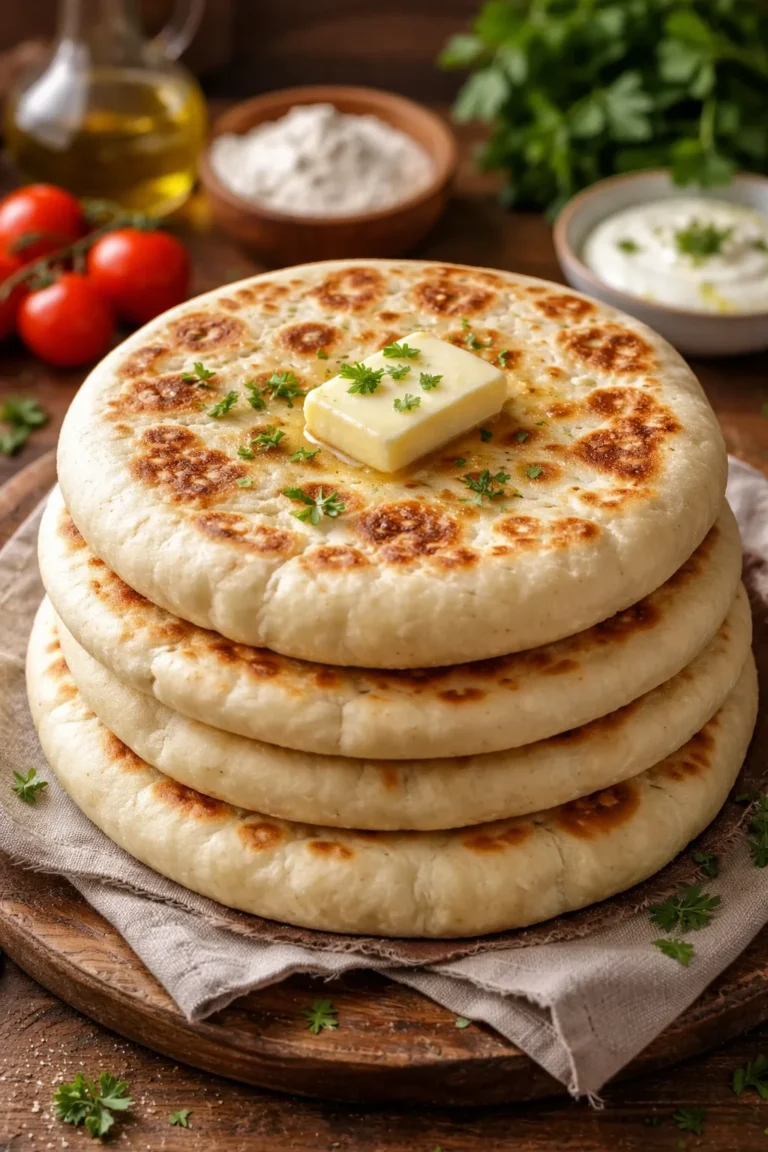
Bazlama Recipe: Fluffy Handmade Turkish Flatbread for Sunday Morning
 48 hr 35 min