
Bazlama Recipe: Fluffy Handmade Turkish Flatbread for Sunday Morning
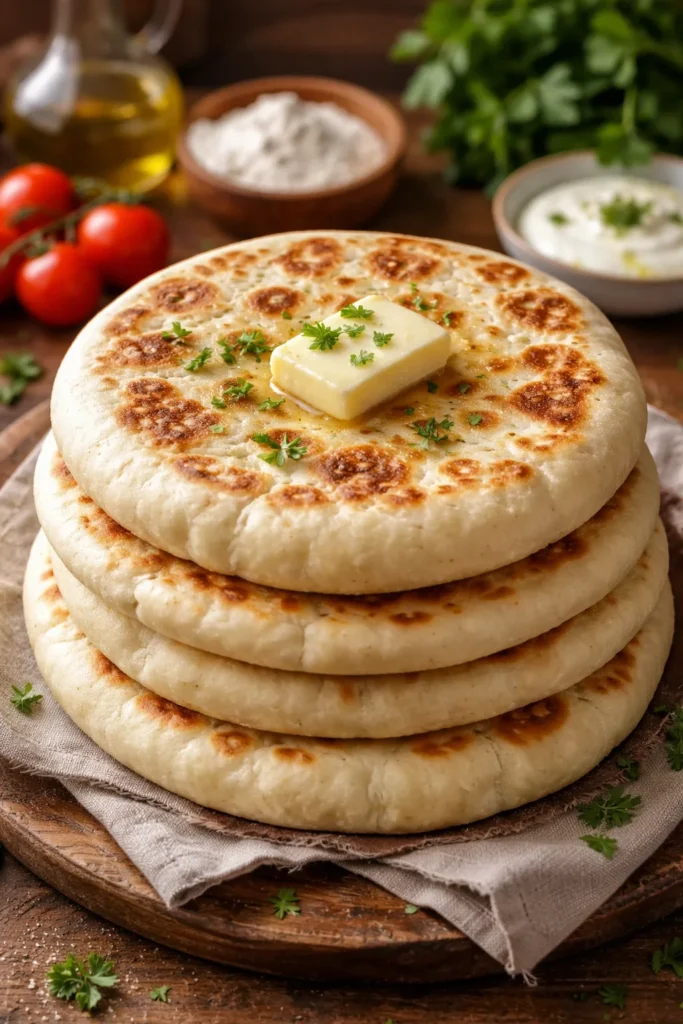
Bazlama is one of the oldest and most heartfelt traditions that Anatolia’s nomadic spirit handed down to settled life. This “ovenless bread” has long been part of Turkish food culture, and it is one of the first doughs to meet the fire of the griddle (sac). In the villages of the past, especially at harvest time or during the communal winter preparations, it was the star of the big floor spreads where women gathered to cook together. It is more than food; it stands for neighborliness and sharing. Not every home had an oven, but every home had a fire and a griddle to put on it, and that made bazlama one of the most accessible, generous and beloved breads on the table.
The real moment for this fluffy bread is, without a doubt, a fresh morning breakfast with steam still rising from it, or a Sunday table where the whole family gathers. Warmed on the stove in winter, or served with fresh cheese in the cool air of the highlands in summer, bazlama is a comfort for every season. Whenever we catch the smell of a bazlama still hot from the griddle, it takes us back to our childhood, to our grandmothers’ floury hands and the peaceful wait beside the stove. That is because this bread is kneaded not just from flour and water, but from love and tradition.
Why Make Bazlama at Home
When you make bazlama with your own hands, you know exactly what goes into it, with no additives or preservatives. It is a wonderful alternative to packaged bread, and the smell of fresh bread filling your kitchen brings a calm, homey feeling to your table. Made the way our grandmothers did, it is something you can share with the people you love.
This information is for general purposes only and is not medical advice.
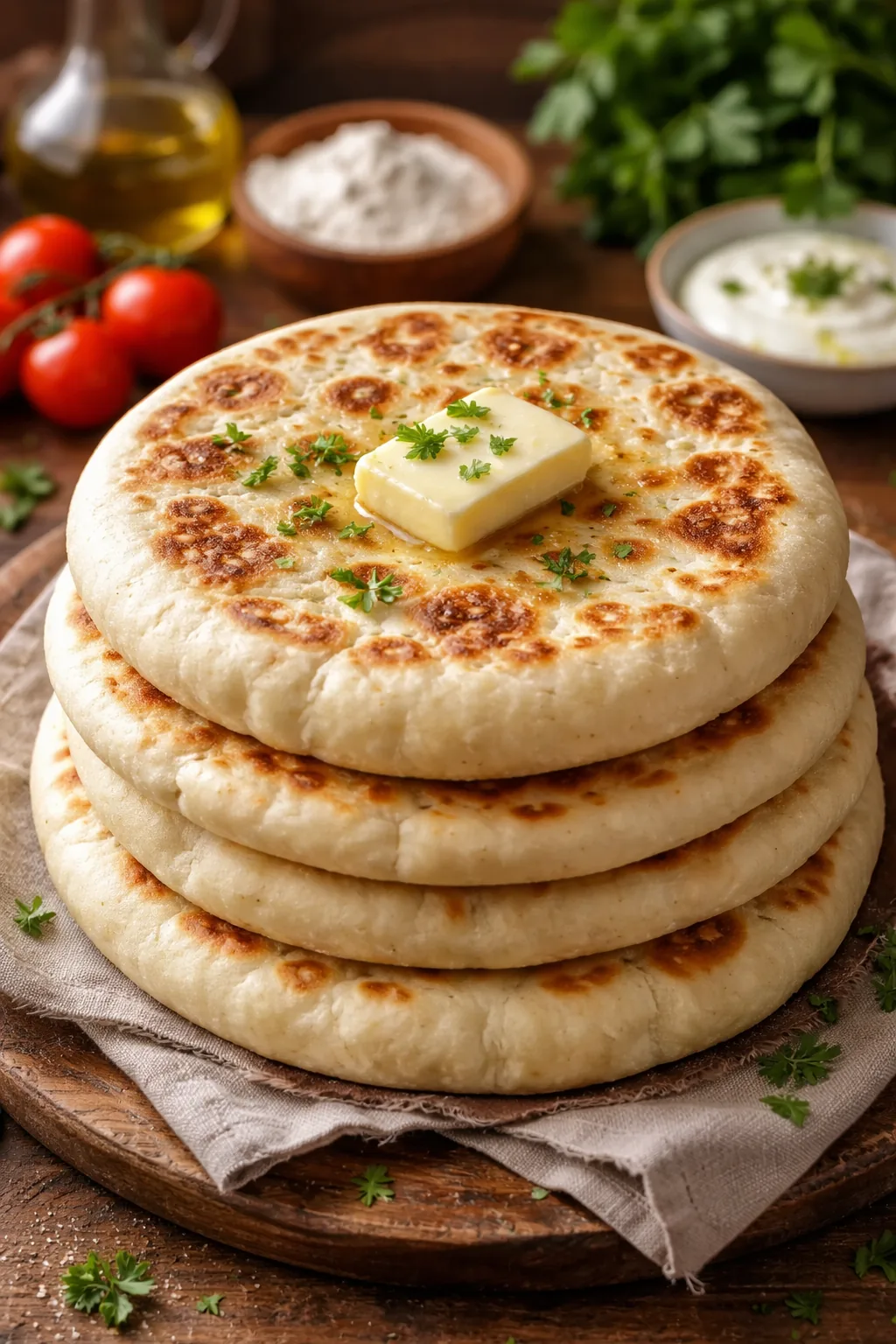
Bazlama (Fluffy Handmade Turkish Flatbread)
Ingredients
Yapılışı
- Put the warm water, warm milk, sugar and yeast in a mixing bowl. Stir until the sugar dissolves, then wait about 5-10 minutes for the yeast to foam.
- Add most of the flour and the salt. Start kneading the dough.
- Grandma’s Way: As you knead, pick the dough up in your palm and slap it back into the bowl, again and again. This works air into the dough. The dough should stay quite soft and slightly sticky. At the end, add the olive oil and bring the dough together.
- Cover the bowl tightly with a cloth (maybe a tablecloth, like your grandmother would). Let the dough rest in a warm place for about 1 hour, until doubled in size.
- Gently deflate the risen dough. On a floured wooden board or counter, shape the dough into balls about the size of a mandarin orange.
- Using your hands or a rolling pin, flatten each ball to about the size of a dessert plate and about 1 cm (1/2 inch) thick. Don’t make them too thin, so that they can puff up with air inside.
- Place the dough in a well-heated, ungreased pan.
- As soon as you take the cooked bazlama out of the pan, while it is still steaming, spread butter generously inside or on top, just like grandma did.
Püf Noktaları
⭐ Have you tried this recipe? Give it a star rating below and tell us how it turned out; your comment helps other readers too.
You May Also Like
- Pişi (Turkish Fried Dough): Soft, Non-Greasy Whole Wheat Pişi
- Menemen (Turkish Scrambled Eggs with Tomatoes & Peppers) for a Slow Sunday Morning
- Ispanaklı Tartolet (Turkish Spinach Tartlets) Recipe
Frequently Asked Questions About Bazlama
Why isn’t my bazlama puffing up in the pan?
Most often the pan isn’t hot enough, or the dough was rolled too thin. Heat an ungreased pan well, keep the dough about 1 cm (1/2 inch) thick, and flip the bazlama as soon as small bubbles appear. Flipping it back and forth a few times helps it fill with air. Dough that hasn’t fully doubled in about 1 hour can also stay dense.
My dough is very sticky. Should I add more flour to this bazlama recipe?
No, a soft, slightly sticky dough is what you want here, because too much flour makes the bread hard. Lightly flour your hands and the board instead of working extra flour into the dough. Oiling your hands with a little olive oil also makes it easier to handle while you shape the balls.
Can I freeze bazlama and how do I reheat it?
Yes, bazlama freezes well once it has cooled completely. Wrap the breads in a cloth or place them in a freezer bag, with parchment between them so they don’t stick. For best quality, use within about 1 to 2 months. To reheat, thaw at room temperature, then warm briefly in a dry pan on both sides until soft and hot.
Can I prepare the bazlama dough ahead of time?
You can make the dough a day ahead and keep it in the fridge, but it is best to follow the recipe closely for the first batch. Cover the bowl tightly after kneading and refrigerate for up to 24 hours. Let it come back to room temperature and puff up before dividing and rolling. It may need a little extra time to rise.
What can I use instead of milk in a bazlama recipe?
You can replace the 1/2 cup (100 ml) of warm milk with the same amount of warm water. The dough will still work, though it may be slightly less silky and soft. If you like, use an unsweetened plant-based milk, warmed to the same lukewarm temperature so it doesn’t harm the yeast.
Similar recipes
 3 hr 10 min
Homemade Izmir Boyoz (Layered, Crispy Turkish Pastry)
 17 min
Menemen (Turkish Scrambled Eggs with Tomatoes & Peppers) for a Slow Sunday Morning
 48 hr 35 min
How to Make Rock-Solid Yogurt with Jersey Milk (Should You Skim the Kaymak?)
 15 min