
İzmir-Style Lokma Recipe (Savory Turkish Fried Dough Bites)

Lokma is a treat closely tied to the tradition of charity and sharing in Anatolia, and especially in the Aegean region. According to the most common account, its roots reach back to the Ottoman era. Lokma served as “lokma for charity’s sake” in mosque courtyards, neighborhood lanes, or crowded squares became a symbol of a vow fulfilled, a prayer offered, or a good deed shared. In Izmir and the surrounding area in particular, lokma is not just a sweet snack; it is seen as the kitchen’s version of the idea “may the hearts of both the giver and the receiver be glad.” That is why waiting by the lokma cauldron, standing in line, or taking a piece from the same tray as a stranger has itself been seen as a way of forming a bond with others.
Over time, this tradition also became strongly linked to giving to charity in memory of someone who has passed away. Having lokma made and handed out for the soul of the departed was done with the intention of “may their name be remembered and the good deed be shared,” and the same spirit continued on religious holy nights, at mevlit gatherings, and on special days. Alongside the syrup-soaked kind, the unsweetened (savory) lokma often seen in the Aegean, handed out on the street, at the seaside, or beside minibus stops, carried this culture of sharing into everyday life. In short, lokma is not a recipe tied to a particular time; it is a tradition that gets its meaning from sharing. What makes it special is not only why it is made, but also who it is shared with.
Enjoying Lokma
Lokma is a fried treat, so I like to make it at home and enjoy it in modest portions. Frying over medium heat and draining the pieces well on paper towels keeps them from feeling heavy with oil, and the savory (salty) version is lovely served with some cheese or a glass of ayran.
This content is for informational purposes only and is not medical advice.
I hope it leaves you with a lovely memory!

İzmir-Style Lokma (Savory Turkish Fried Dough Bites)
Ingredients
Yapılışı
- Pour the warm water into a large bowl, add the sugar and yeast, and stir. Let it sit for 5 minutes until it gets a little foamy, as if to say “all good, the yeast is working.”
- Add the flour gradually and stir in the salt. This won’t be a stiff dough like regular bread dough; aim for a soft consistency that flows slowly off a spoon. (That’s the whole secret of street-stand lokma: it’s puffy inside.)
- Cover the bowl and let the dough rest for 30–45 minutes. It will rise and get bubbly, and when you see it you’ll say, “now that’s lokma dough!” 😄
- Add plenty of oil to a pot and heat it over medium heat. Don’t let it get too hot, or the outside will brown right away and the inside will stay doughy.
- Transfer the dough to a piping bag (or a sturdy plastic bag) and snip off the tip. Squeeze the dough out over the oil, cutting off small pieces with scissors and letting them drop into the oil.
- When the lokma turn golden, flip them with a slotted spoon so they brown evenly on all sides.
- Lift the fried lokma onto paper towels to drain off the excess oil. Then serve them warm!
Püf Noktaları
⭐ Have you tried this recipe? Give it a star rating below and tell us how it turned out; your comment helps other readers too.
You May Also Like
- Aunt Emel’s Little Sesame Simit (Mini Turkish Sesame Rings)
- Kandil Simidi (Turkish Sesame Ring Cookies) – Exact Measurements, Smells Amazing, Keeps for Days
- Izmir Köfte (Turkish Baked Meatballs with Potatoes in Tomato Sauce)
Frequently Asked Questions About İzmir-Style Lokma
Why did my lokma turn out dense, flat, or doughy inside?
The most common causes are a dough that is too stiff, yeast that did not activate, or oil that is too hot. Make sure the yeast gets foamy in the first 5 minutes and the dough rises until bubbly, 30 to 45 minutes. Fry over medium heat, around 170-180°C (340-355°F) if you have a thermometer, so the inside cooks through before the outside browns.
Can I make the dough for this lokma recipe ahead of time?
Yes, you can mix the dough in advance and keep it covered in the refrigerator overnight, where it rises slowly. Let it sit at room temperature for 20 to 30 minutes before frying, and give it a gentle stir rather than kneading, so you keep the air bubbles. The texture may be slightly less puffy than freshly risen dough.
How do I shape lokma if I don’t have a piping bag?
A sturdy zip-top or freezer bag with a corner snipped off works just as well. You can also scoop the dough with a wet spoon and push it into the oil with a second wet spoon. Wetting the spoons keeps the sticky dough from clinging, and pieces will be a little more uneven but taste the same.
Can I bake or air-fry savory lokma instead of deep frying?
Not really, because this loose, batter-like dough needs hot oil to puff up and form a crisp shell. In an oven or air fryer it tends to spread, stick, or turn into dry bread-like lumps. If you want to cut back on oil, fry in small batches over medium heat and drain the pieces well on paper towels.
How should I store and reheat leftover lokma?
Lokma is best eaten warm, within a couple of hours of frying. Leftovers can be kept in a covered container in the refrigerator for up to 1 day. Reheat them in a hot oven or air fryer for a few minutes until crisp again, since the microwave makes them soft and chewy.
Similar recipes
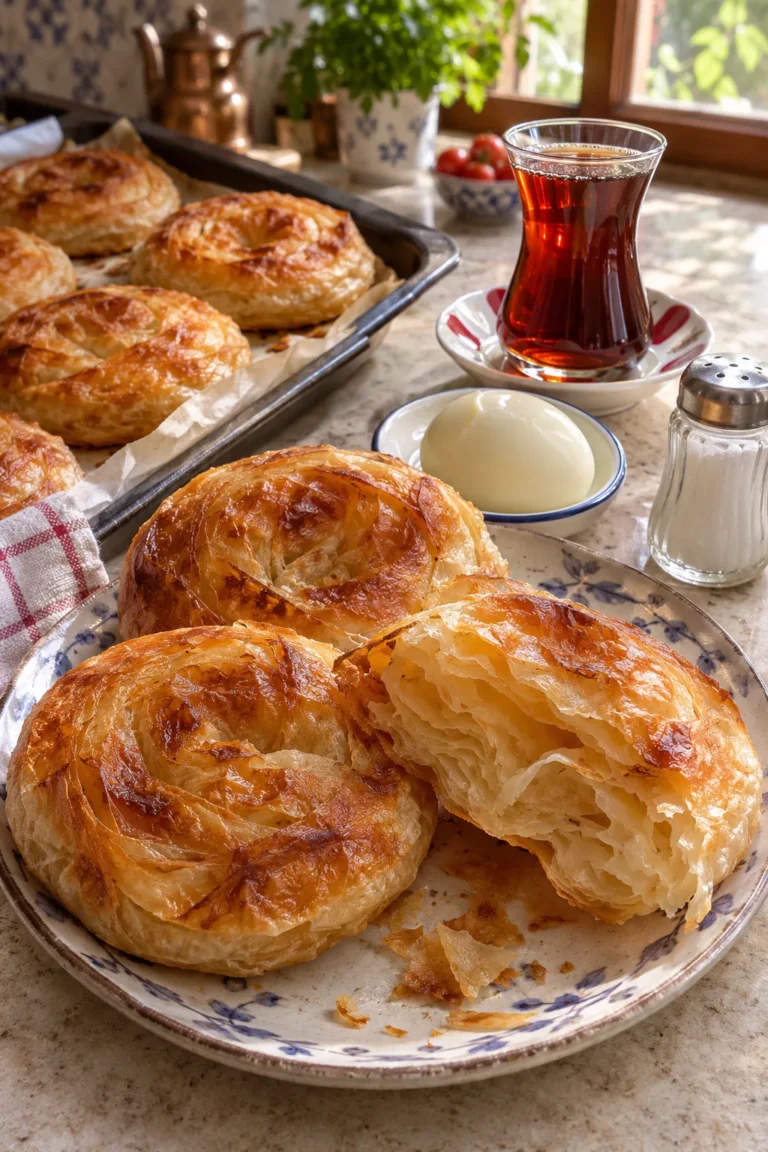 3 hr 10 min
Homemade Izmir Boyoz (Layered, Crispy Turkish Pastry)
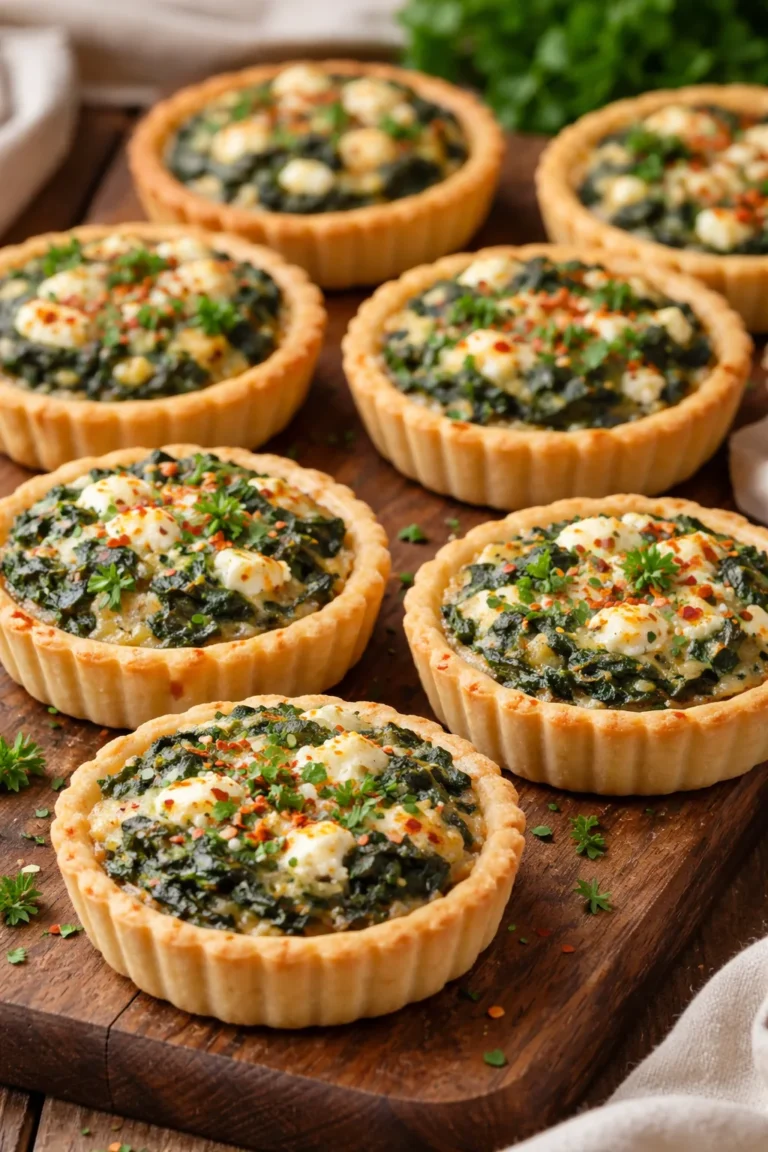 1 hr 10 min
Ispanaklı Tartolet (Turkish Spinach Tartlets) Recipe
 12 min
10-Minute Lavaş Pizza (Easy Lavash Flatbread Pizza)
 1 hr 55 min