
Etli Yaprak Sarma (Turkish Stuffed Grape Leaves with Meat): “Sweetheart, You Put in So Much Effort, Don’t Skimp on the Meat!” Juicy Sarma That Won’t Fall Apart in the Pot
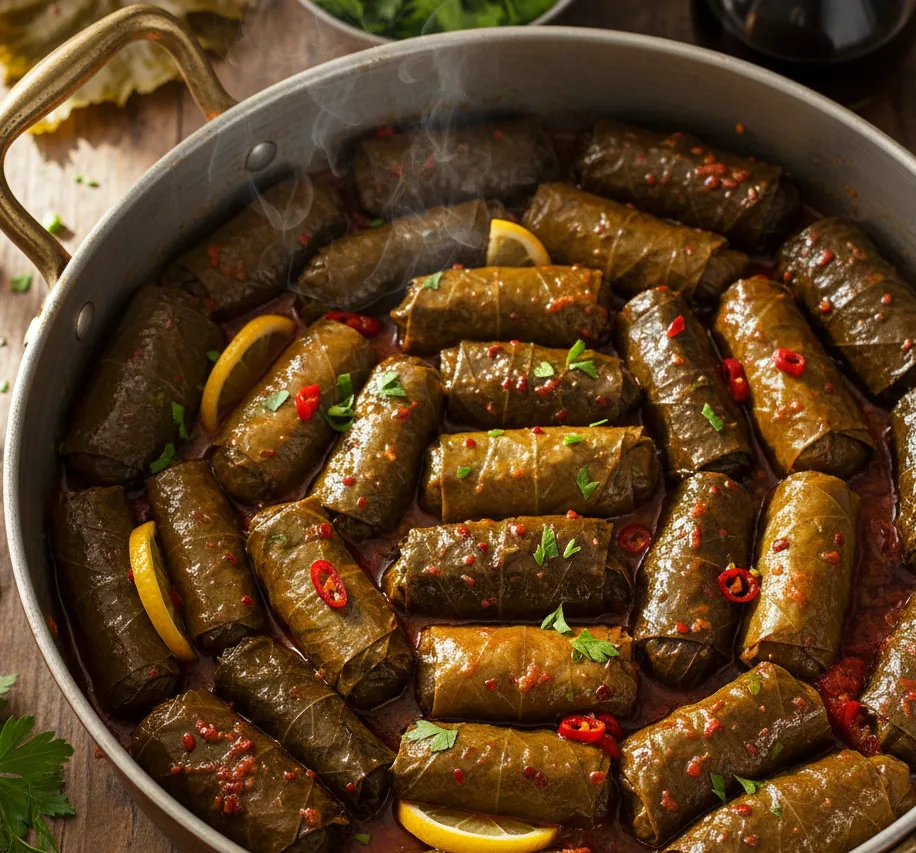
“Sarma isn’t a dish that appeared in our kitchen by chance. It carries the warm traces of a long history, with roots reaching from Central Asia to the Ottoman palaces. In the palace it was known as ‘dolma,’ meaning ‘stuffed,’ but grape leaf sarma is especially a gift from the bountiful vineyards of the Aegean and the Mediterranean. The olive oil version reflects the lightness of the Aegean, while our way, the meat-filled and generously spiced version, embraces the hearty, sharing-loving kitchen culture of Central and Eastern Anatolia. Sarma is more than a meal. It is the crown of the most carefully laid tables when guests come, and a true labor of love, with a mother’s affection and patience wrapped up in every leaf.”
“In our house, my mother’s philosophy of ‘You put in so much effort, don’t skimp on the meat’ really sums up the spirit of this dish. Etli yaprak sarma takes more work than the olive oil version, but it is also much more impressive and filling. That’s why we only empty the pot on special days and when the whole family is together. The meeting of ground meat, pomegranate molasses and isot pepper turns sarma into a feast. Our short, plump rolling style isn’t just a technique. It’s a tradition that lets you taste the rich flavors of Anatolia and the abundance of the table in every bite. With every mouthful, grape leaf sarma reminds us of our family’s warmth and the richness of our kitchen, an unforgettable classic.”
Why We Love Etli Yaprak Sarma
“When we eat this dish, we’re doing more than filling our stomachs. The grape leaves wrap everything up, and the ground meat in the filling makes it a hearty main dish that the children and our spouses love. The tang of pomegranate molasses and lemon balances the richness of the meat. After all the effort we put in, it makes a satisfying and well-rounded main meal for the whole table!”
This content is for informational purposes only and is not medical advice.
Etli Yaprak Sarma (Turkish Stuffed Grape Leaves with Meat) That Won’t Fall Apart
Ingredients
Yapılışı
- Soak the brined leaves in water overnight, or for at least 2 hours.
- Right before rolling, blanch them in hot water for 15 minutes, then rinse under cold water. Leave them to drain.
- Preparing the Filling (no cooking needed):
- Place the ground meat and the rinsed, drained rice in a large mixing bowl.
- Add the finely grated onions (no need to squeeze out the juice, as it helps with consistency during cooking), parsley, dill, all the pastes, olive oil, pomegranate molasses and all the spices (including the isot).
- Key Step: Knead the filling well for about 5-7 minutes. Make sure the meat and rice are fully combined with the spices and oil. This kneading helps keep the filling from falling apart.
- Lay each leaf with the shiny side down, so the veiny side faces up.
- Spread the leaf on the counter with the stem end toward you.
- Place a small amount of filling at the wide part, toward the center of the leaf (don’t overfill, because the rice will swell and the roll may burst!).
- Fold the two sides of the leaf over the filling, then roll up tightly into a short roll, starting from the stem end.
- Arranging in the Pot and Cooking:
- Line the bottom of a wide pot with a few layers of leaves (this keeps the sarma from sticking to the bottom).
- Arrange the sarma in a circle, snug against each other with no gaps.
- Weight: When you’ve finished arranging them, place a heatproof porcelain plate or a metal strainer on top of the sarma. This keeps them from unrolling and falling apart as they cook.
- In a separate bowl, mix the warm water, pomegranate molasses, lemon juice and olive oil.
- Pour this sauce slowly down the side of the pot. The liquid should barely cover the sarma (it may sit about a finger’s width above them).
- Cover the pot. Once it comes to a boil, turn the heat to the lowest setting and cook for about 50-60 minutes, until the rice is tender.
- Enjoy! Once it has cooled, let the sarma rest in the pot so all the flavors settle in.
Püf Noktaları
⭐ Have you tried this recipe? Give it a star rating below and tell us how it turned out. Your comment helps other readers too.
You May Also Like
- Tender, Melt-in-Your-Mouth Etli Nohut (Turkish Chickpea & Beef Stew)
- Salçalı Lahana Sarması Recipe (Turkish Stuffed Cabbage Rolls in Tomato Paste Sauce)
- Köfte Recipe (Turkish Mom’s Juicy Meatballs That Never Dry Out)
Frequently Asked Questions About Etli Yaprak Sarma
How long does etli yaprak sarma keep in the fridge, and can you freeze it?
Cooled sarma keeps in a covered container in the fridge for about 3 to 4 days. You can freeze it for up to 2 to 3 months. Cool it completely first, pack the rolls in a single layer or with parchment between layers, and thaw overnight in the fridge before reheating.
Why is the rice still hard after cooking my Turkish stuffed grape leaves with meat?
Hard rice usually means there was too little liquid or the heat was too high. The sauce should sit about a finger’s width above the rolls, and the pot should simmer on the lowest heat for 50 to 60 minutes. If the rice is still firm, add a little hot water and cook 10 to 15 minutes longer.
Can I use fresh grape leaves instead of brined ones for sarma?
Yes, fresh young leaves work well. Skip the long soak, since they have no brine to remove. Blanch them briefly in hot water until they turn soft and pliable, then drain. You may need slightly less salt in the filling, because fresh leaves add none.
What can I use instead of pomegranate molasses in sarma?
The best substitute is extra lemon juice with a small pinch of sugar, which gives a similar tang and a hint of sweetness. Start with about 1 extra tablespoon of lemon juice per tablespoon of molasses and taste the sauce before pouring it in. The flavor will be a little brighter and less deep.
Can I make etli yaprak sarma a day ahead, and how do I reheat it?
Yes, it often tastes even better the next day, since the flavors settle as the sarma rests in the pot. Refrigerate it once cooled. To reheat, warm the rolls gently in a covered pot with a splash of water over low heat, or in the microwave in short bursts, until hot throughout.
Similar recipes
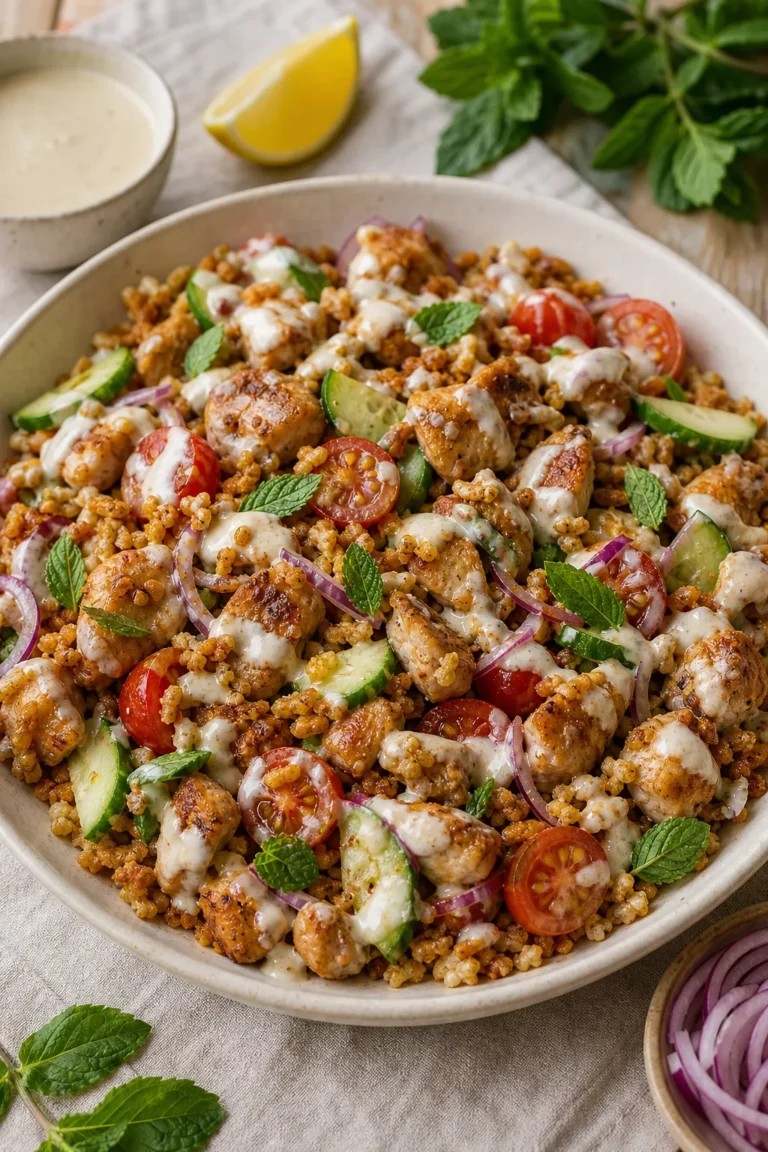 55 min
Tavuklu Çıtır Pirinç Salatası (Crispy Rice Chicken Salad with Lemon-Tahini Dressing)
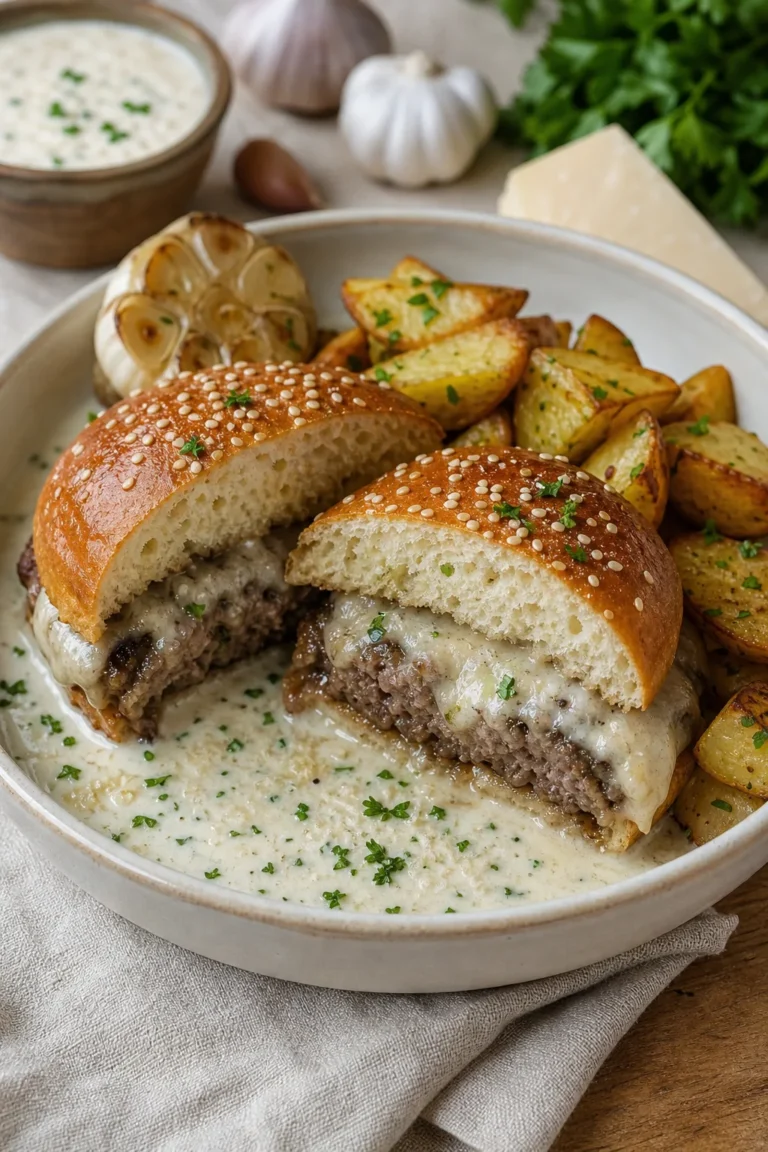 40 min
Garlic Parmesan Sauce Burger Recipe (Sarımsaklı Parmesan Soslu Hamburger)
 1 hr 30 min
Layered Mantı Lasagna Recipe (Turkish Dumpling Lasagna with Beef & Cabbage)
 1 hr 10 min