
Tender, Melt-in-Your-Mouth Etli Nohut (Turkish Chickpea & Beef Stew)
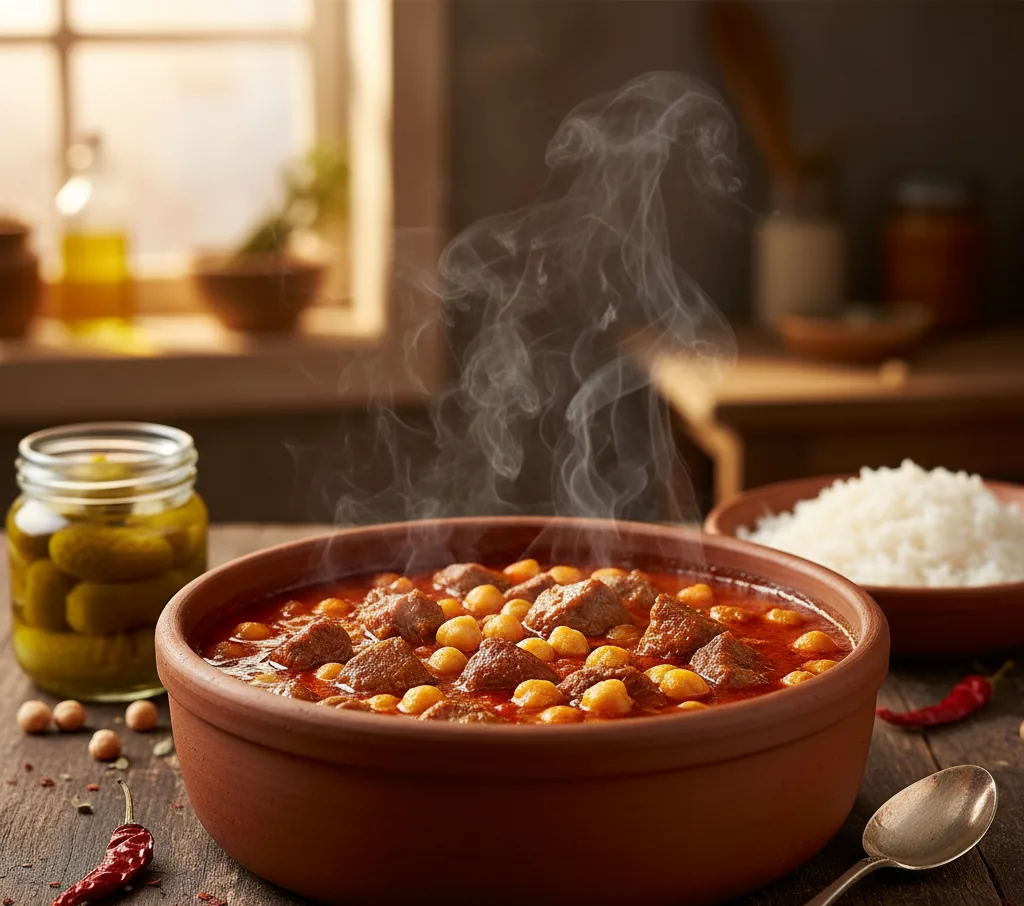
Etli Nohut (Turkish Chickpea & Beef Stew): 3 Golden Rules for Tender Chickpeas That Hold Their Shape
Ingredients
Yapılışı
- Prepare the night before: Put the chickpeas in plenty of water the evening before and add 1 teaspoon of baking soda or salt to the water. In the morning, drain and rinse them well.
- Sear the meat: Add the meat to the pot first and cook over medium heat until it releases its juices and they cook off. Once the juices have evaporated, add the butter and olive oil and the chopped onions, and sauté until the onions turn translucent.
- Paste and aroma: Add the tomato and pepper pastes and keep cooking until the raw smell is gone. Adding the black pepper at this stage locks the aroma into the meat.
- Bring it together: Add the drained chickpeas and cook them with the meat for 2-3 minutes. Pour in enough hot water to cover the chickpeas by 2-3 finger-widths.
- The power of low heat: If you’re cooking in a regular pot, simmer over low heat until the chickpeas are soft and the sauce has thickened. For a melt-in-your-mouth texture, the chickpeas just starting to “split” is the best sign.
- Finish: Add the salt at the very end so the chickpeas don’t turn hard. Let the stew rest, then serve.
Püf Noktaları
3 Small Tips for Melt-in-Your-Mouth Texture in a Pressure Cooker:
- Water Level: Since the liquid doesn’t evaporate in a pressure cooker, you don’t need to add much water. Covering the ingredients by 2-3 finger-widths is enough.
- Skim the Foam: After adding the chickpeas and meat, when the water starts to boil, skim off the white foam that forms on top with a spoon. This helps keep the pressure cooker’s safety valve from clogging and gives you a clearer broth.
- Let It Rest in Its Own Steam: When the cooking time is up, instead of releasing the pressure right away, let the pot cool on its own at room temperature for 10-15 minutes. The chickpeas get their final “steep” and taste even better.
⭐ Have you tried this recipe? Leave a star rating below and tell us how it turned out; your comment will help other readers, too.


The Story of Etli Nohut;
Chickpeas are one of the oldest and most loyal gifts our lands have given us… Coming out of the sunny fields of Mesopotamia, they have knocked on every door and been a guest at every table for thousands of years. When people in Anatolia paired precious meat with chickpeas to make it go further, they started more than a dish; they started a “culture of sharing.” In the old days, the pot was left in clay vessels on the warm embers of the neighborhood oven as it was dying down, so it could simmer slowly, little by little, until morning… That patience is the secret of the “melt-in-your-mouth” tenderness we talk about today. It was never only about filling stomachs; cooking a pot of chickpeas and handing some over to the neighbor became the warmest way of saying, “let our abundance be shared.”
Even as time passes, etli nohut is still, for us, the warmest embrace of winter days and the constant joy of Sunday tables. We say in Anatolia that “a guest arrives with their own abundance,” and every extra handful of chickpeas tossed into the pot is really a preparation for the friend who may knock on our door. That steamy aroma drifting from the neighborhood eatery into the street in the first light of morning reminds us of the warmth of home and the peace of childhood. The fact that, from the fanciest table to the humblest kitchen, the same spoon is raised for this dish is the best proof that it never goes out of date and brings us all together in the same feeling.
A Hearty One-Pot Meal;
Etli nohut is “a hearty, satisfying one-pot meal.” It brings meat and chickpeas together in the same pot, and chickpeas are a good source of fiber, so a plate of it goes a long way at the table.
This content is for informational purposes only and is not medical advice.
You May Also Like
- Etli Yaprak Sarma (Turkish Stuffed Grape Leaves with Meat): “Sweetheart, You Put in So Much Effort, Don’t Skimp on the Meat!” Juicy Sarma That Won’t Fall Apart in the Pot
- A Bite of History, a Lifetime of Flavor: Hünkar Beğendi (Turkish Lamb on Smoky Eggplant Purée)
- Anne Usulü Etli Kabak Dolması (Mom’s Turkish Stuffed Zucchini with Meat)
Frequently Asked Questions About Etli Nohut
Can I use canned chickpeas to make etli nohut?
Yes, you can, and it saves you the overnight soak. Brown the meat and cook it with the onions and pastes until it is nearly tender first, since canned chickpeas are already cooked. Rinse and drain them, then add them only for the last 10-15 minutes so they keep their shape instead of turning mushy.
How long does etli nohut keep in the fridge, and can you freeze it?
Cooled etli nohut keeps in a covered container in the fridge for about 3 days. You can freeze it in portions for 2-3 months. Cool it quickly before storing, thaw it in the fridge overnight, and reheat it thoroughly over low heat, adding a splash of hot water if the sauce has thickened.
Why are my chickpeas still hard even after cooking for a long time?
Old dried chickpeas, very hard tap water, or adding salt or acidic ingredients too early are the usual causes. Use a fresh bag of chickpeas, keep the simmer gentle, and add salt only at the end as the recipe says. If your water is very hard, try soaking and cooking with filtered or bottled water.
My etli nohut sauce came out too thin. How can I thicken it?
Simmer the stew uncovered over low heat for 10-15 minutes so the extra liquid reduces. You can also mash a few chickpeas against the side of the pot with a spoon and stir them in, which thickens the sauce naturally. Avoid adding flour, since it can dull the flavor and the glossy red color.
Can I make etli nohut with lamb or chicken instead of beef?
Yes, cubed lamb shoulder works very well and cooks in about the same time as beef, giving a richer flavor. Chicken is much quicker, so add bone-in pieces to the chickpeas once they are nearly tender, not at the start. Keep the same onion and paste base so the dish still tastes like classic etli nohut.
Similar recipes
 55 min
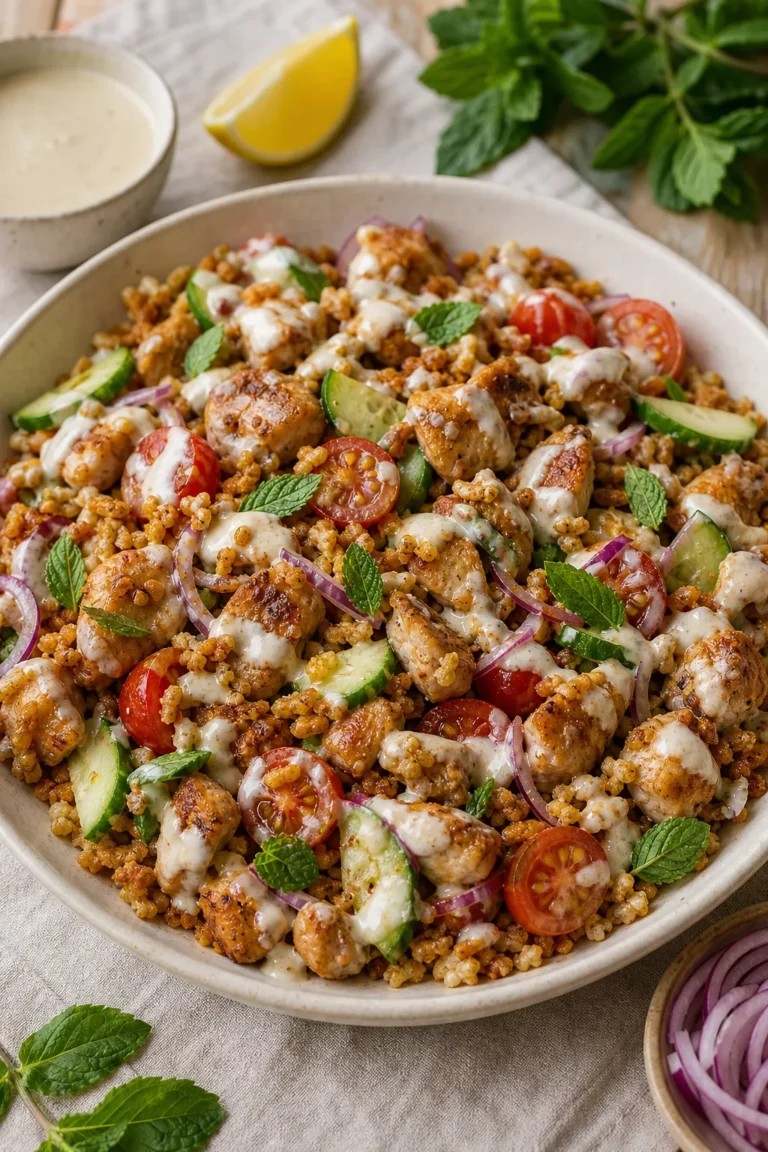
Tavuklu Çıtır Pirinç Salatası (Crispy Rice Chicken Salad with Lemon-Tahini Dressing)
 40 min
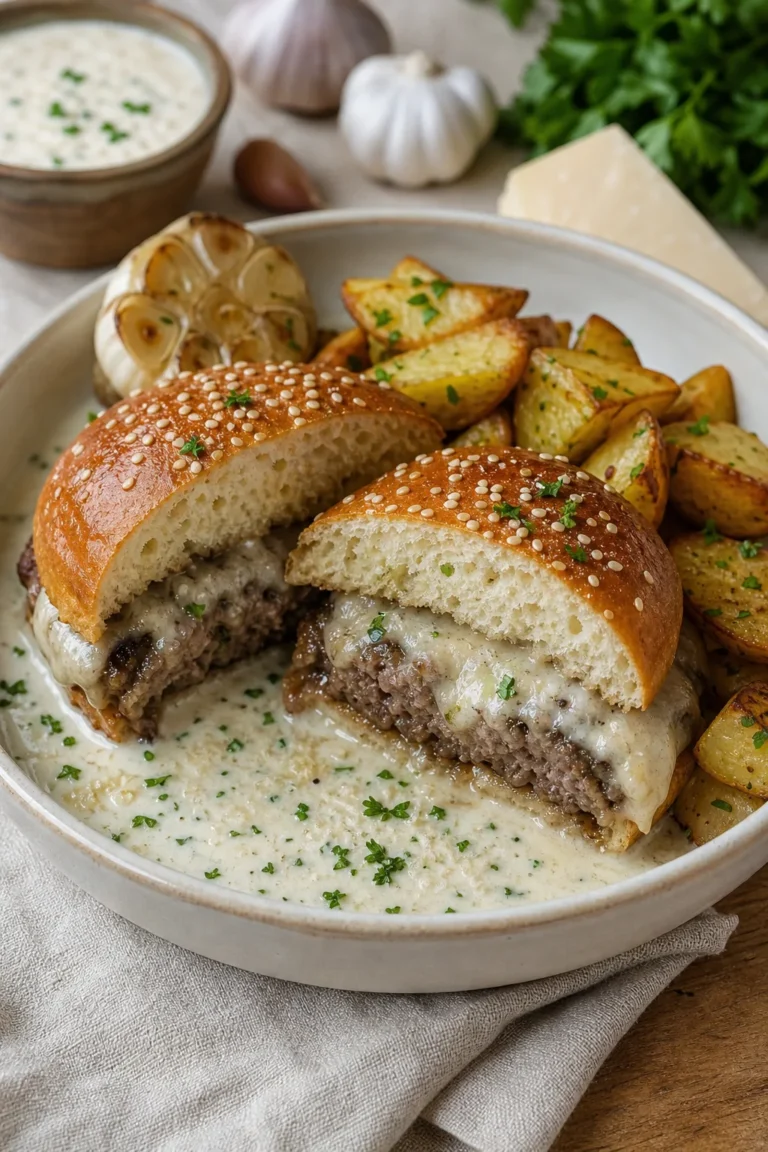
Garlic Parmesan Sauce Burger Recipe (Sarımsaklı Parmesan Soslu Hamburger)
 1 hr 30 min
Layered Mantı Lasagna Recipe (Turkish Dumpling Lasagna with Beef & Cabbage)
 1 hr 10 min