
Elegant Zeytinyağlı Yaprak Sarma (Turkish Stuffed Grape Leaves with Pine Nuts & Currants) That Won’t Fall Apart
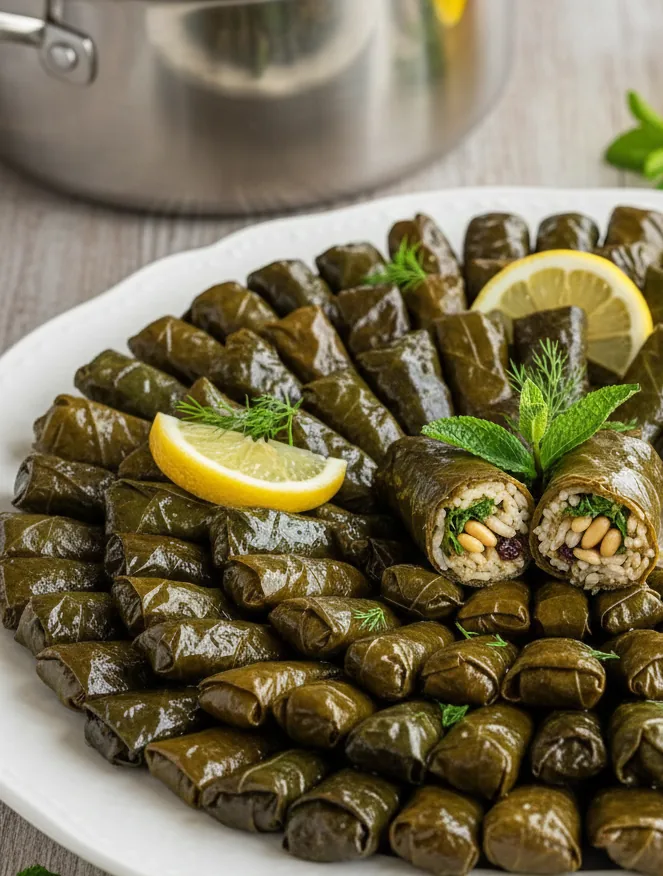
Zeytinyağlı Yaprak Sarma with Pine Nuts & Currants (Turkish Stuffed Grape Leaves)
Ingredients
Yapılışı
- Preparing the Filling (Sautéing)
- Prep: Rinse and drain the rice. Soak the currants in warm water for 10 minutes, then drain. To remove the saltiness of the grape leaves, soak them in hot water for 10-15 minutes, then drain.
- Sautéing: Put half of the olive oil (about 1/2 cup) into a wide pot or pan. When the oil is hot, add the pine nuts and sauté over medium heat until they change color and turn pink.
- Onions: Add the finely chopped onions to the pink pine nuts. Keep cooking until the onions turn translucent.
- Rice: Add the rinsed and drained rice to the pan. Cook for another 3-4 minutes, until the rice turns translucent.
- Add the drained currants, finely chopped parsley and mint to the sautéed rice and onion mixture.
- Right away, add the salt, black pepper, allspice, cinnamon (if using) and sugar.
- Gently stir the whole filling with a wooden spoon. Turn off the heat.
- Thin Rolls: Place the leaf with its shiny side down (facing outward). Put a very small amount of filling on the wide part of the leaf (remember that the rice will swell). Fold in the sides and roll snugly from the stem end toward the tip into a neat, slender roll.
- Lining the Pot: Line the bottom of a wide, shallow pot with a few layers of grape leaves or thin lemon slices (this keeps the rolls from sticking to the bottom and adds flavor).
- Arranging: Arrange the rolls in the pot in circles, snug against each other with no gaps.
- Weighing Down: Place a heat-proof porcelain plate on top of the rolls (this is the most important secret to keeping them from falling apart).
- Sauce: In a separate bowl, mix the remaining olive oil that you set aside with the hot water and fresh lemon juice. Pour this mixture slowly down the side of the pot. The liquid should barely cover the rolls.
- Cooking: Cover the pot with its lid. Bring to a boil over medium heat first, then turn the heat to the lowest setting once it starts boiling. Cook for about 45-55 minutes, until the rice is completely tender.
- Take the cooked sarma off the heat. Do not open the lid; let them rest in the pot in their own steam until they reach room temperature (at least 1-2 hours).
- The Secret of Elegance: Once cooled, transfer to a serving plate and drizzle with extra virgin olive oil to bring out their shine and flavor.
- Enjoy!
Püf Noktaları
⭐ Have you tried this recipe? Leave a star rating below and tell us how it turned out; your comment will help other readers too.
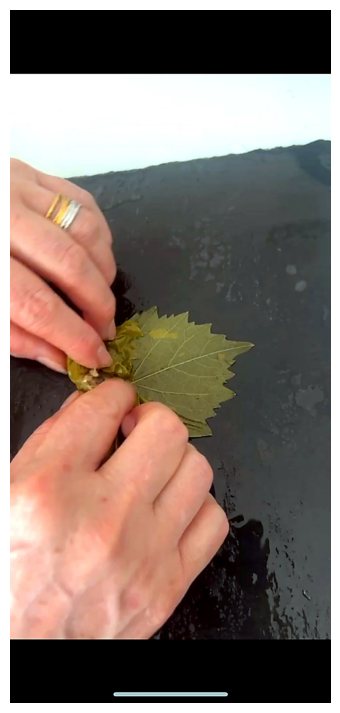
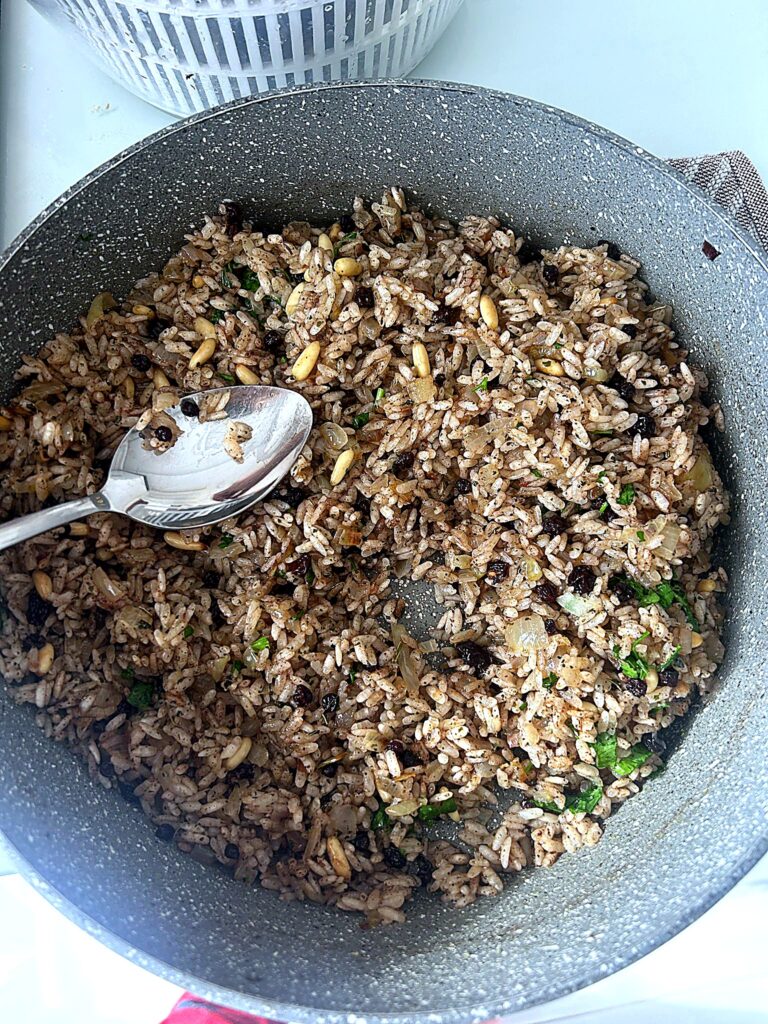
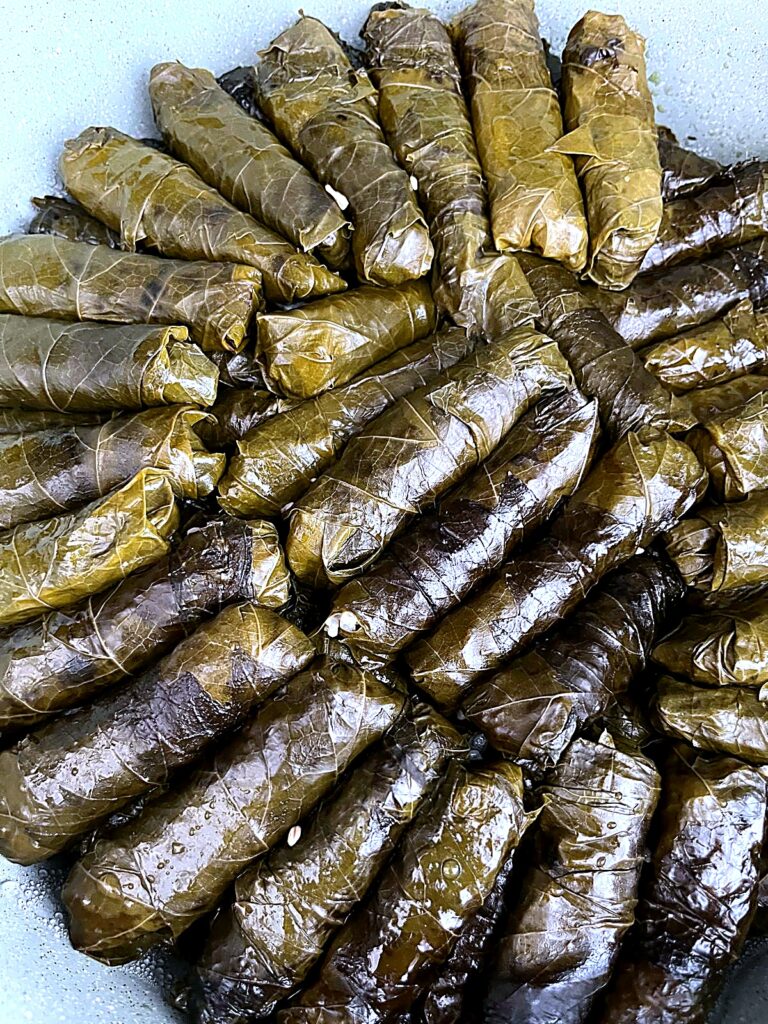
The Story of Zeytinyağlı Yaprak Sarma (Olive Oil Stuffed Grape Leaves);
“Yaprak sarma is one of the most treasured dishes of our kitchens, and the olive oil version, served cold, is its most delicate form. The pine nut and currant version goes beyond an everyday olive oil sarma. Its rich filling is made with ingredients we think of as special, such as pine nuts, currants, cinnamon and allspice, so it has always had a place on holiday tables, at special gatherings and, of course, at New Year’s and other big celebrations. This sarma is not just a dish; it carries the signature of effort, patience and an elegant presentation.”
“Olive oil sarma is a dish that takes time, much like the effort our mothers poured into us. Unlike the meat-filled version, it is served cold, and that brings the light, refreshing spirit of Aegean and Mediterranean cooking to the table. The delicate balance between the sweetness of the currants and the tartness of the lemon turns it into a small work of art. That is also why it is rolled by the potful: a dish that takes this much effort should last beyond the moment, keep until the next day, and be enough for every guest when served cold. In every leaf there is the joy of those old holidays, our mothers’ skill and the elegance of a thin, neat roll.”
A Few Words on Olive Oil Sarma;
“Olive oil is at the heart of this dish. The currants add a gentle sweetness, and the pine nuts bring richness and make it satisfying. Because it is served cold, it also feels light on the table. It is a lovely choice for special-occasion menus. Enjoy it with a happy heart!”
This content is for informational purposes only and is not medical advice.
You May Also Like
- Imam Bayıldı (Turkish Stuffed Eggplant) One Plate Is Never Enough For
- Etli Yaprak Sarma (Turkish Stuffed Grape Leaves with Meat): “Sweetheart, You Put in So Much Effort, Don’t Skimp on the Meat!” Juicy Sarma That Won’t Fall Apart in the Pot
- Kuru Dolma (Turkish Stuffed Dried Eggplants & Peppers) That Hold Together Perfectly
Frequently Asked Questions About Zeytinyağlı Yaprak Sarma
How long does this yaprak sarma recipe keep in the fridge?
Store the sarma in an airtight container in the fridge for up to 3 to 4 days. Let them cool completely first, and keep them in a single layer or separated with parchment so they hold their shape. Drizzle a little olive oil over them and let them sit at room temperature for 15 to 20 minutes before serving, because the oil firms up when cold.
Can you freeze zeytinyağlı yaprak sarma?
Yes, you can freeze them, though the texture is a little softer after thawing. Freeze fully cooled sarma in a single layer on a tray, then transfer them to a freezer bag for up to 2 months. Thaw overnight in the fridge and serve cold. Because of the pine nuts and currants, they are best enjoyed fresh if you want the most elegant result.
What can I use instead of pine nuts and currants in yaprak sarma?
For pine nuts, try blanched, chopped almonds or skinned pistachios, and toast them in the oil just as you would pine nuts. Raisins, finely chopped, can replace currants, and they should also be soaked in warm water for 10 minutes. The flavor will be slightly different, but the sweet and rich balance stays close to the original.
Why is the rice still hard after cooking my sarma?
Hard rice usually means the rolls didn’t get enough liquid or cooking time, or the heat was too high so the liquid evaporated. Make sure the liquid barely covers the rolls, keep the heat at its lowest after the boil, and cook the full 45 to 55 minutes under the lid. If the rice is still firm, add a little hot water and cook another 10 minutes.
Can I use fresh grape leaves and a different rice for sarma?
Yes, you can use fresh leaves if they are young and tender. Blanch them in boiling water for 1 to 2 minutes, drain, and skip the salt soak. For the rice, short-grain varieties such as Baldo or arborio work best because they cook up tender and hold together. Long-grain rice stays looser, so rolls may feel less compact.
Similar recipes
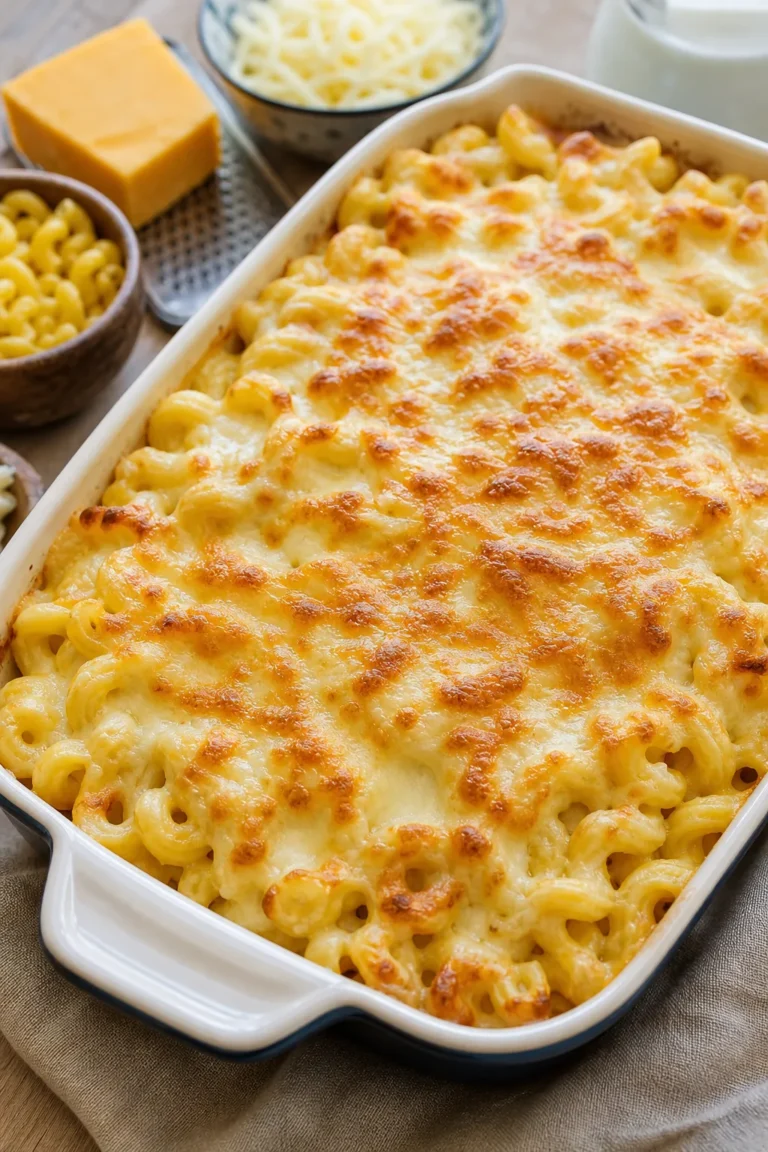 50 min
Tini-Style Baked Mac and Cheese (Fırında Peynirli Makarna) Recipe
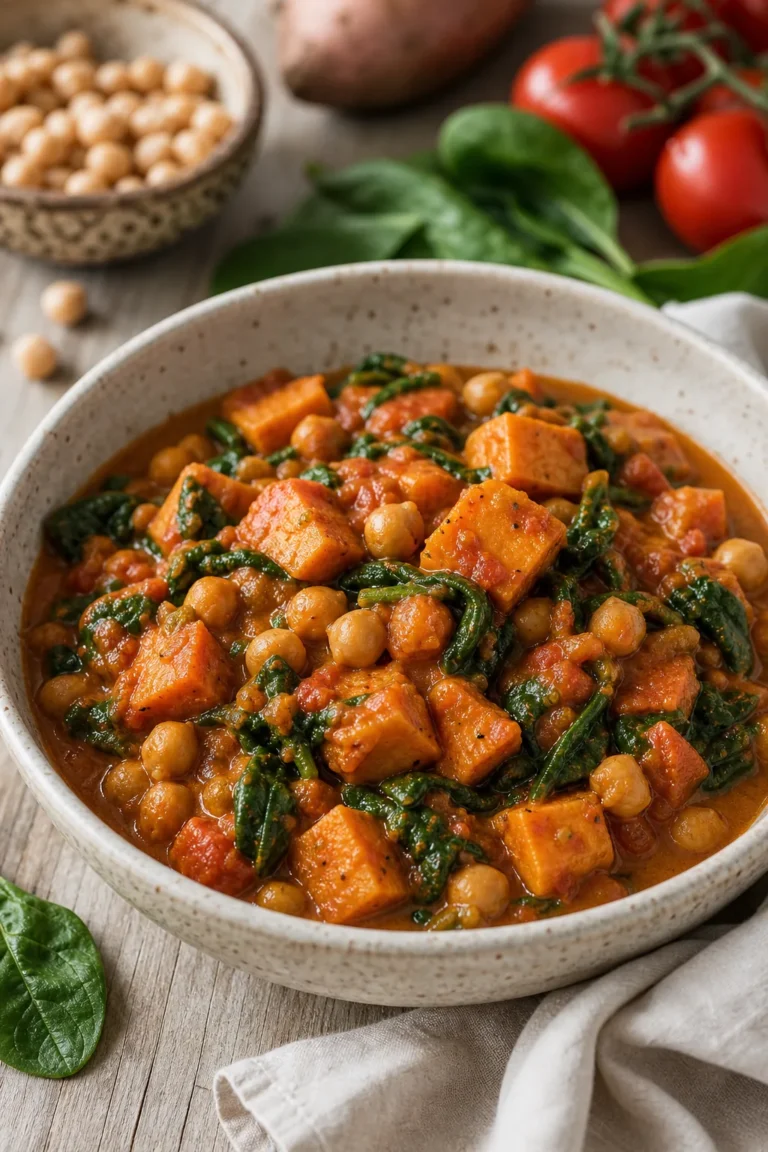 45 min
Sweet Potato Peanut Butter Curry Recipe (Tatlı Patatesli Fıstık Ezmeli Köri)
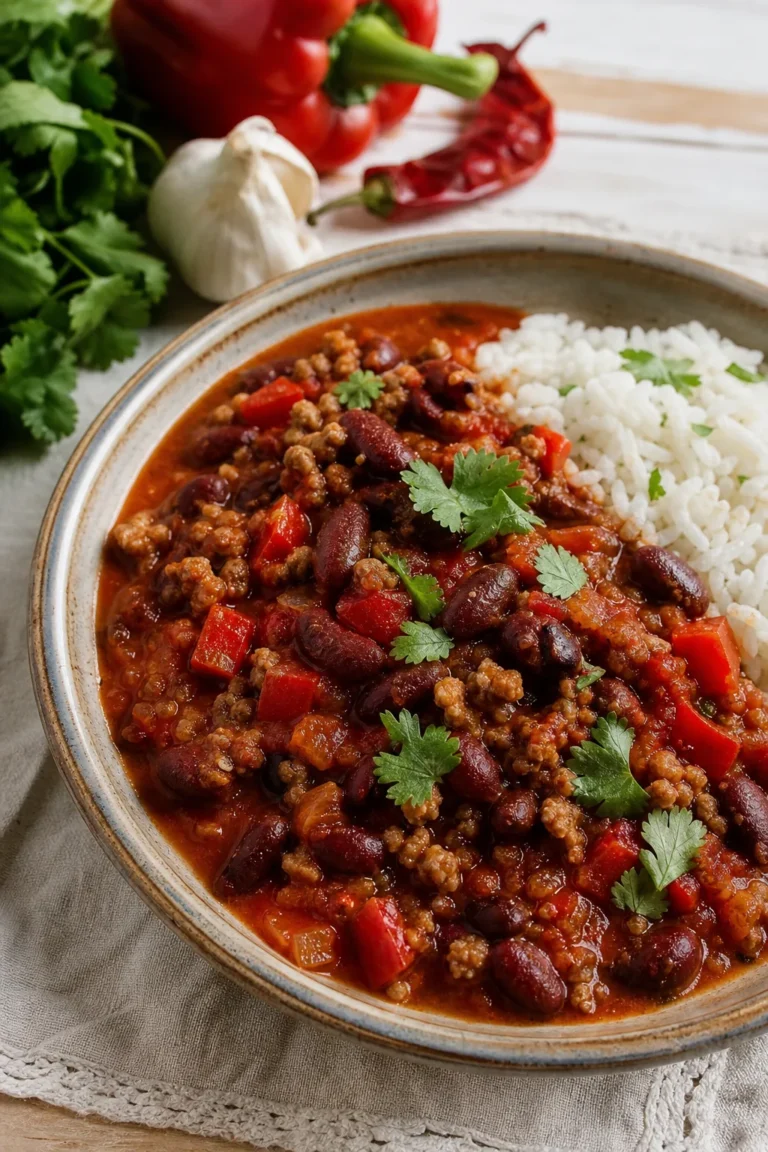 55 min
Chili Con Carne Recipe (with Ground Beef and Beans)
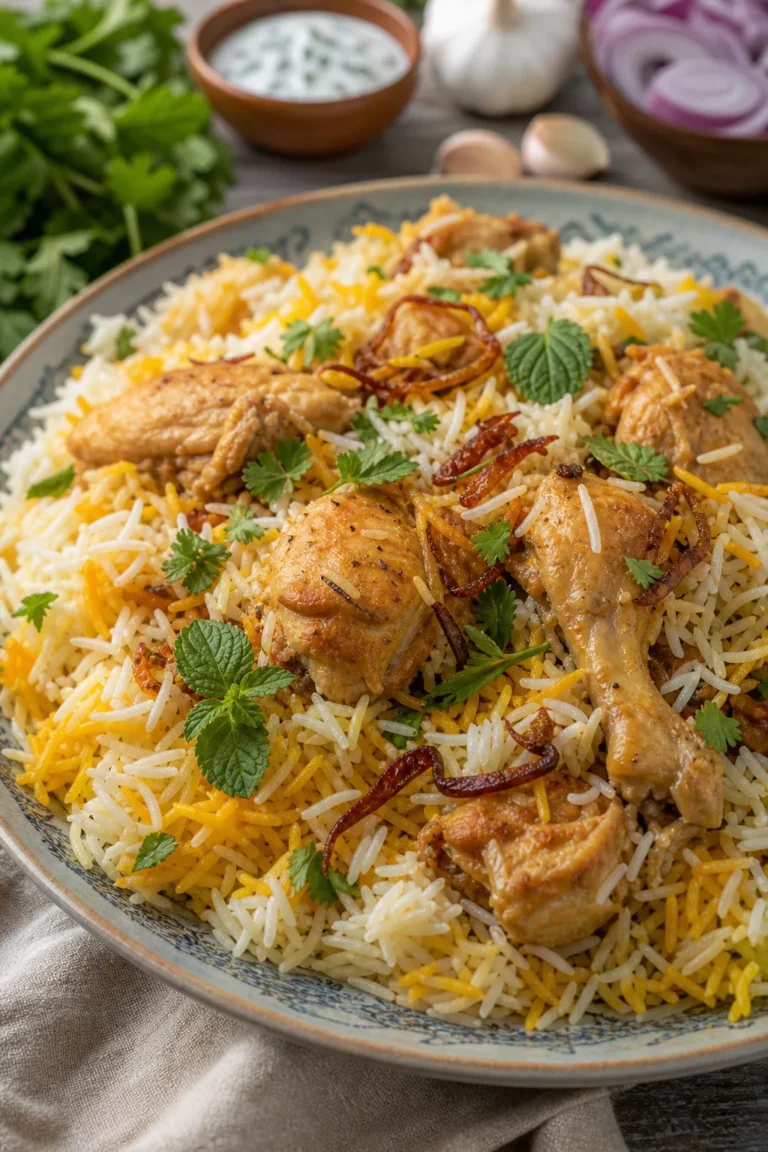 1 hr 40 min