
İç Pilav Recipe (Turkish Rice Pilaf with Pine Nuts & Currants)
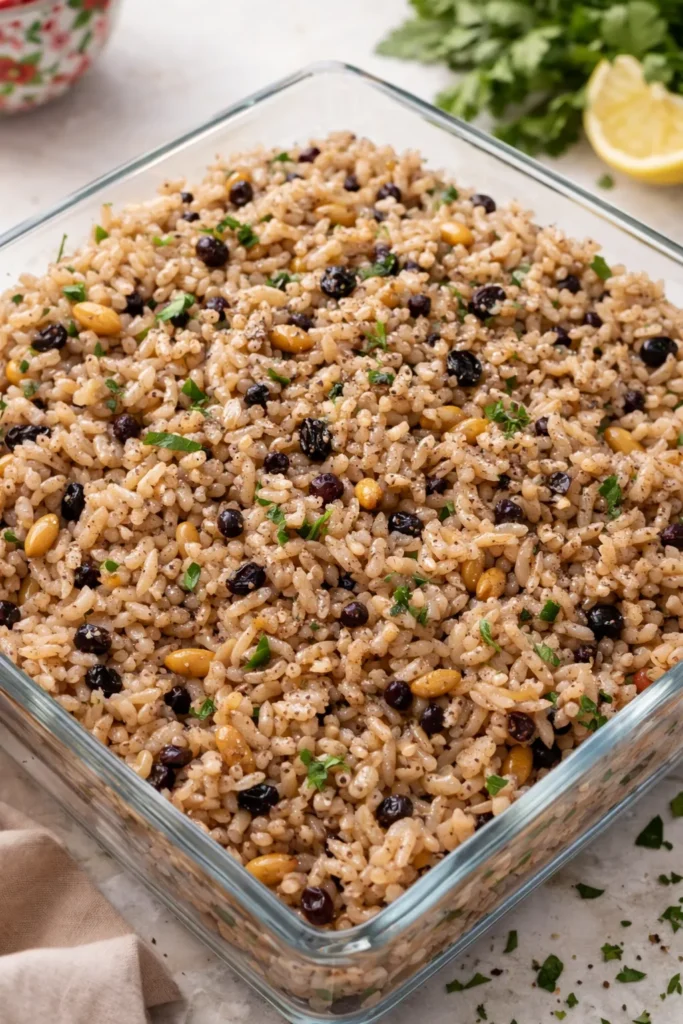
Cooking rice so that every grain stays separate is a skill in itself. Adding pine nuts, currants, cinnamon and allspice turns an ordinary side dish into a feast of its own. That sweet-and-savory balance brings both aroma and elegance to the table, and iç pilav has become a classic that many of us love to make at home.
For me, iç pilav is a holiday, celebration and dinner-guest dish. It is wonderful stuffed inside dolma, and just as wonderful served next to chicken or turkey. It stands out right away on a crowded table. On winter evenings its spice aroma warms the kitchen, and on special days it brings a little elegance to the table. So it is not only filling; it also adds to those sweet moments that make a meal feel special.
Serving Iç Pilav;
Iç pilav is a rich pilaf, so I like to keep the portion balanced and serve it with lighter companions such as yogurt or a fresh salad. The currants add a little sweetness, and the fresh herbs (dill and parsley) stirred in at the end bring freshness. With those on the side, it is easier to enjoy and the table feels nicely balanced.
“This content is for general information only and is not medical advice.”
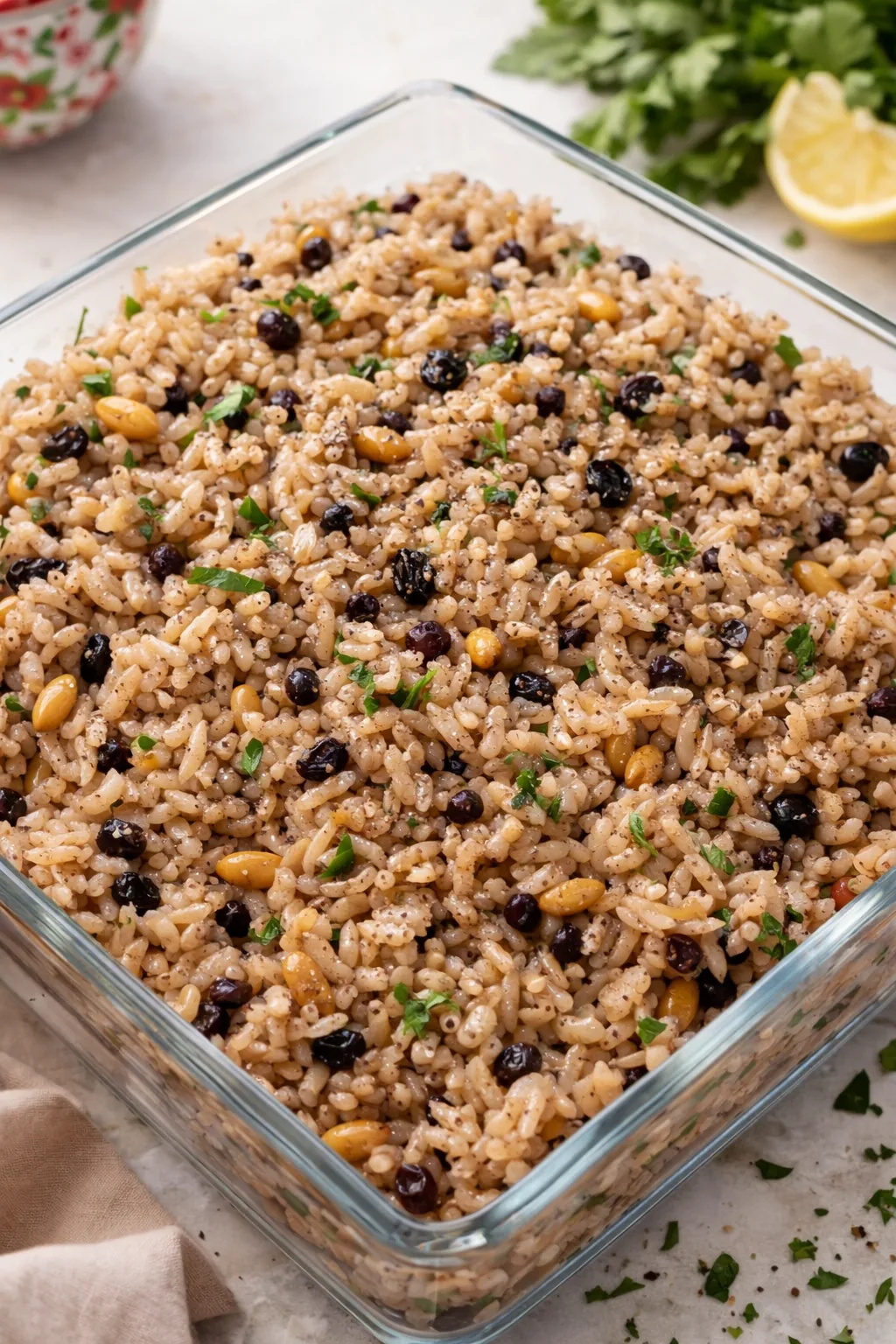
İç Pilav Recipe (Turkish Rice Pilaf with Pine Nuts & Currants)
Ingredients
Yapılışı
- Rinse the rice well, soak it in lukewarm water for 15–20 minutes, then drain. (Half of getting separate, fluffy grains happens right here 😄)
- Add the butter and olive oil to a pot. Add the pine nuts and stir over low-medium heat until they turn lightly pink. (This is where you get that amazing aroma!)
- Finely chop the onion and add it to the pot. Cook until it is completely soft and translucent.
- Add the currants and stir for 1 minute. Then add the rice and sauté for 3–4 minutes, until the grains look glossy and glassy.
- Add the salt and spices (allspice, cinnamon, black pepper). Pour in the hot water or chicken stock.
- Once it comes to a boil, turn the heat to the lowest setting and cover the pot. Let it cook for 12–15 minutes.
- Take the pot off the heat, place a paper towel or clean kitchen towel under the lid, and let it rest for 10 minutes. Then fold in the finely chopped dill and parsley.
Püf Noktaları
- Toast the pine nuts to a golden color without burning them; it makes the pilaf taste so much better.
- Cinnamon and allspice should be “a little but effective”; if you add too much, they will take over.
- If you make it with chicken stock, your iç pilav will taste “restaurant-style.”
- Measurements: 1 cup = 200 ml, so 2 cups of rice = 400 ml, and 2½–3 cups of hot water = 500–600 ml.
⭐ Have you tried this recipe? Give it a star rating below and tell us how it turned out; your comment helps other readers, too.
You May Also Like
- Kestaneli İç Pilav (Turkish Chestnut Rice Pilaf): The Perfect Side for Turkey
- Bezelyeli Havuçlu Pilav (Turkish Rice Pilaf with Steamed Peas & Carrots)
- Turkish Chicken Pilaf with Vegetables (Tavuklu Garnitürlü Pilav): Fluffy, Restaurant-Style
Frequently Asked Questions About İç Pilav
Why did my iç pilav turn out sticky or mushy, and how can I fix it?
Sticky pilaf usually comes from too much water, too much stirring, or skipping the rinse. Stick to the 2.5 to 3 cups of hot liquid for 2 cups of rice and don’t lift the lid while it cooks. If it’s already a bit wet, leave it covered off the heat with a towel under the lid, then fluff it gently with a fork.
What can I use instead of pine nuts in an iç pilav recipe?
Slivered or chopped blanched almonds are the easiest swap, and you toast them the same way in the butter and oil until lightly golden. Chopped pistachios or even a few cashews also work. Add them at the same stage and watch the heat, since smaller nuts brown faster than pine nuts.
Can I make iç pilav with basmati or another type of rice?
Yes, long-grain rice such as basmati works well and gives separate, fluffy grains. Keep the rinsing and soaking, but check the pack, because basmati sometimes needs slightly less water. Avoid short-grain or sushi rice, which turns creamy and clumps together.
How long does leftover iç pilav keep, and how do I reheat it?
Cool the pilaf quickly, within about an hour or two, and keep it in a covered container in the fridge for up to 3 days. To reheat, sprinkle in a spoonful of water, cover, and warm it gently on the stove or in the microwave until steaming hot all the way through. Stir in fresh herbs afterwards so they stay bright.
Can I freeze iç pilav or make it ahead for guests?
Yes, iç pilav freezes reasonably well for up to about 1 month. Cool it completely, portion it into airtight containers, and thaw it in the fridge before reheating with a splash of water. For guests, you can cook it earlier in the day and keep it covered, then reheat it gently and add the dill and parsley just before serving.
Similar recipes
 1 hr
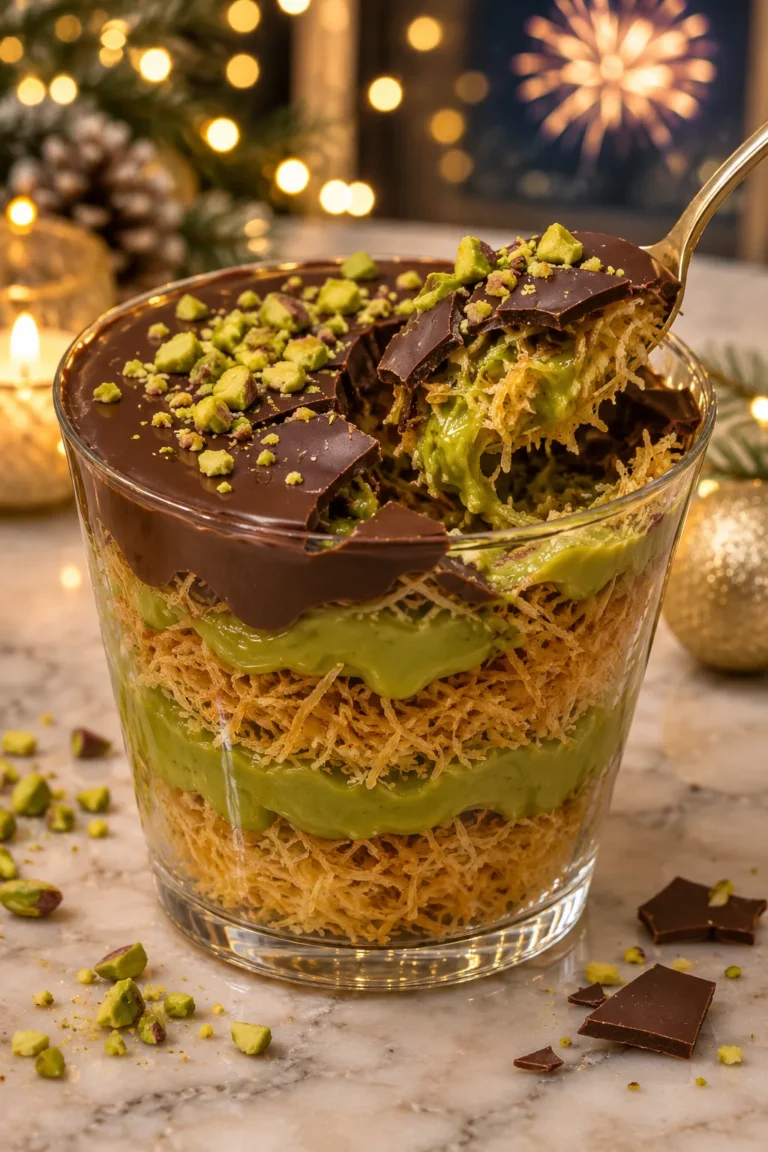
Dubai Chocolate Kadayif Cups (Pistachio Cream, No-Bake)
 4 hr 30 min
Light as a Cloud: Perfectly Creamy Ladyfinger Tiramisu (Kedidilli Tiramisu)
 1 hr 55 min
Lahana Sarması (Turkish Stuffed Cabbage Rolls), Wrapped with Patience and Eaten with Love
 15 min