
Firik Pilavı (Turkish Smoky Freekeh & Rice Pilaf): Fluffy and Perfectly Measured
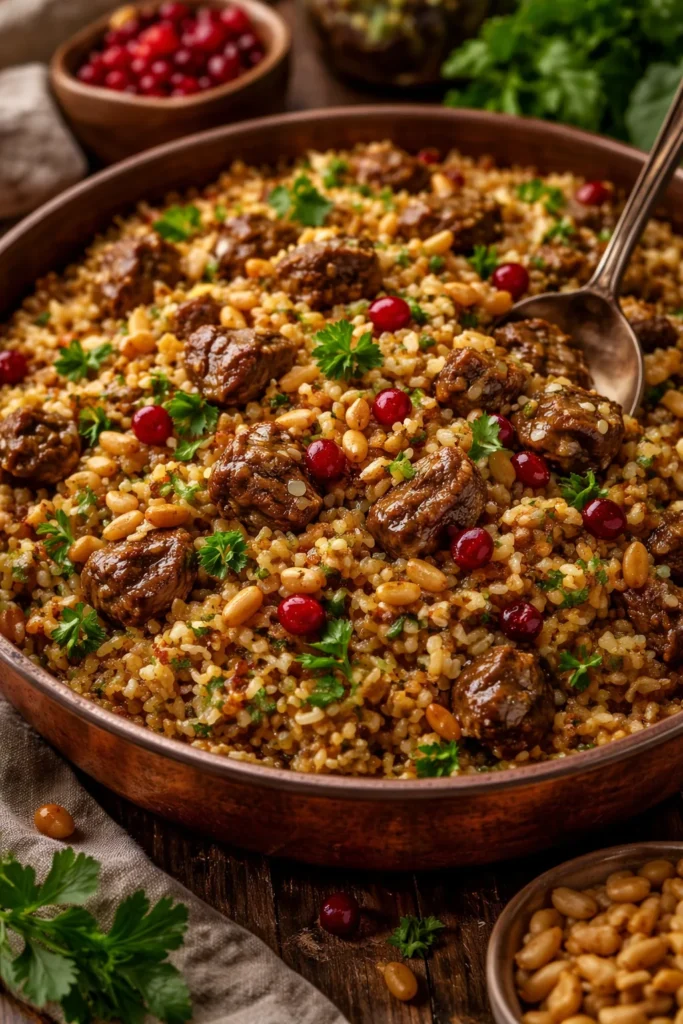
Firik pilavı (freekeh pilaf) is a very old dish whose roots reach back to the cuisine of Southeastern Anatolia, especially Gaziantep, Kilis, Şanlıurfa and Hatay. Firik (freekeh) is made from wheat that is harvested while the heads are still green and then smoked over fire. This method has been used for centuries in the Middle East and Mesopotamia to preserve and flavor grain. During the smoking, the inside of the wheat keeps ripening while the outer husk burns away, which gives freekeh its characteristic smoky aroma. That aroma is what sets firik pilavı apart from ordinary pilafs. In the old days, freekeh always had a place in the pantry for lean seasons and winter preparations, because it keeps well and is filling.
Firik pilavı was traditionally cooked in autumn and winter, especially for special tables, dinners with guests and holidays after the harvest. It was served alongside meat dishes, tandır (clay-oven) meat or roasts fresh from the oven, and was called “baş pilav,” the pilaf at the head of the table. Today, as people value traditional cooking and smoky flavors again, firik pilavı is popular once more. It has earned its place especially on New Year’s tables, dinner parties and big family meals, a special pilaf that makes the table feel different and recalls the care of the past.
A Few Words on Freekeh
Freekeh is made from young, early-harvested wheat, and it is known as a fiber-rich grain that many people find very satisfying. Enjoyed in balanced portions, firik pilavı makes a hearty alternative to plain rice pilaf.
This is for informational purposes only and is not medical advice.
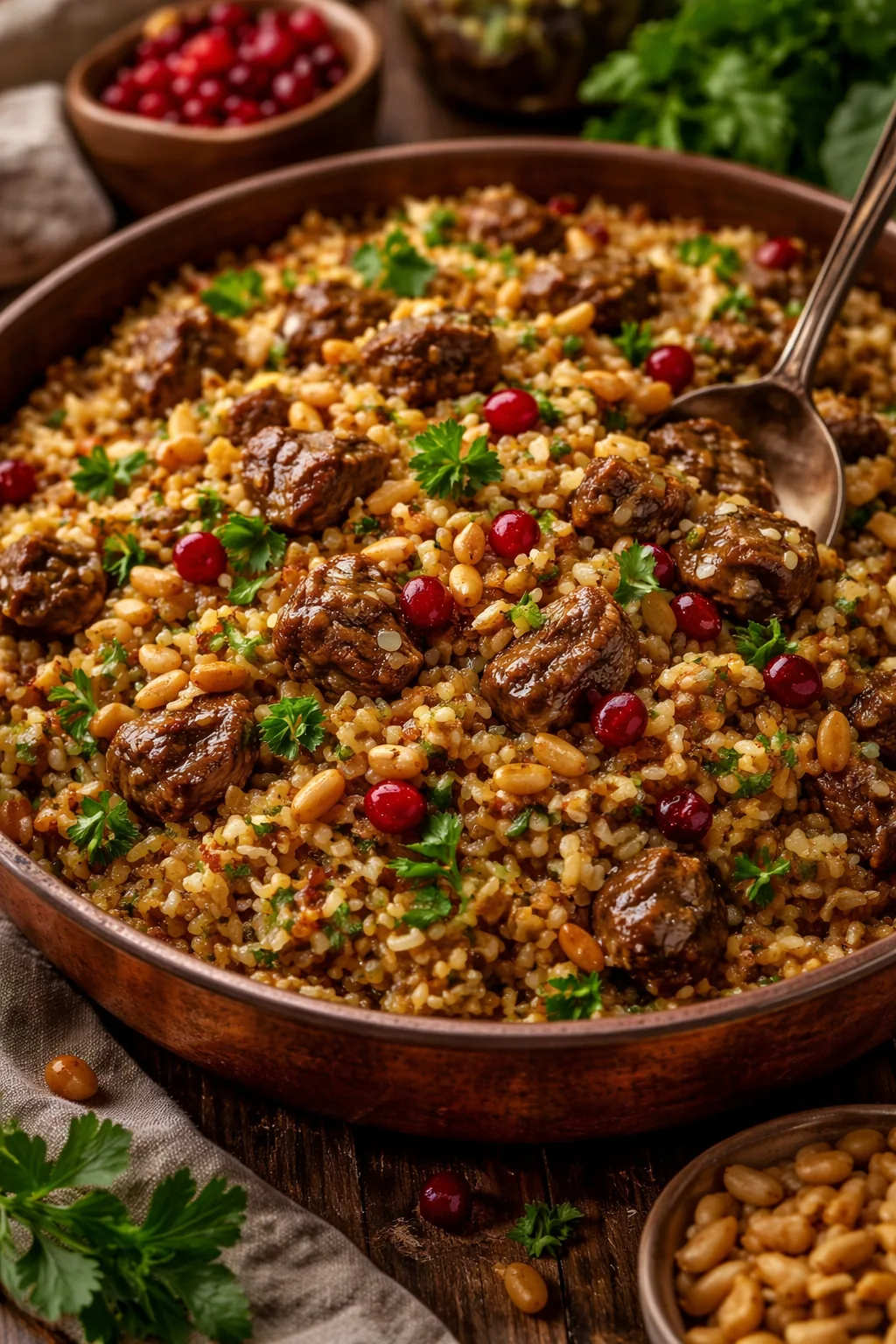
Firik Pilavı (Turkish Smoky Freekeh & Rice Pilaf): Fluffy and Perfectly Measured
Ingredients
Yapılışı
- Wash the rice and freekeh: Rinse the rice until the water runs clear, then soak it in lukewarm water for 10 minutes and drain. Rinse the freekeh under running water and drain it too.
- Sauté the onion: Add the butter and olive oil to a pot. Sauté the onion until it turns pink.
- Add the şehriye/meat (optional): Stir in the şehriye and sauté for 1–2 minutes. If you’re using meat or kavurma, add and toss it in here.
- Toast the freekeh and rice: Add the freekeh and rice and toast them together for 3–4 minutes (the secret to separate, fluffy grains).
- Add the stock: Pour in 2.5 cups of hot chicken stock. Season with salt and pepper (and cumin if using).
- Cook: Once it comes to a boil, reduce the heat to low and cover with the lid. Cook for 15–18 minutes.
- Rest: Turn off the heat and let it rest for 10 minutes. Gently fluff with a fork.
Püf Noktaları
⭐ Have you tried this recipe? Give it a star rating below and tell us how it turned out; your comment helps other readers too.
You May Also Like
- Kuskus Pilavı (Turkish Couscous Pilaf) with Tips for Fluffy Grains
- Bezelyeli Havuçlu Pilav (Turkish Rice Pilaf with Steamed Peas & Carrots)
- Turkish Chicken Pilaf with Vegetables (Tavuklu Garnitürlü Pilav): Fluffy, Restaurant-Style
Frequently Asked Questions About Firik Pilavı
What can I use instead of freekeh if I can’t find it for firik pilavı?
Coarse bulgur is the closest substitute, though you will lose the smoky aroma. Use the same amount and keep the liquid at about 2.5 cups. To bring back some smokiness, add a pinch of smoked paprika or a little smoked salt, and taste before adding more so it does not overpower the dish.
How long does firik pilavı keep in the fridge, and can I freeze it?
Cool it within about two hours of cooking, then store it in an airtight container in the fridge for up to 3 days. You can also freeze it in portions for up to 2 months. Leave off the nuts and pomegranate seeds, and add them fresh after reheating.
Can I make firik pilavı ahead for a dinner party and reheat it without drying it out?
Yes, cook it up to a day ahead and chill it quickly. To reheat, put it in a pot with a splash of hot water or stock, cover, and warm it over low heat for a few minutes until steaming hot all the way through. Fluff gently with a fork and add the toppings just before serving.
Why are my freekeh grains still hard after the cooking time is up?
Your freekeh is probably a coarser or whole-grain type that needs more liquid and time than the cracked kind. Add about 1/2 cup more hot stock, cover again, and cook on low for another 5 to 8 minutes, then rest it off the heat. Next time, check the package and soak the freekeh briefly before cooking.
What should I serve with firik pilavı, and can I make it vegetarian?
It pairs well with roast or tandır-style meat, grilled chicken, and a fresh salad or yogurt on the side. To make it vegetarian, skip the kavurma or meat, use hot vegetable stock or hot water instead of chicken stock, and use only olive oil in place of the butter if you want it dairy-free.
Similar recipes
 20 min
Erişte with a Touch of Walnut: A Classic at Its Best (Turkish Egg Noodles)
 27 min
Sun-Dried Tomato Pasta with Labneh (Kurutulmuş Domates Soslu Makarna, Ready in 10 Minutes)
 1 hr
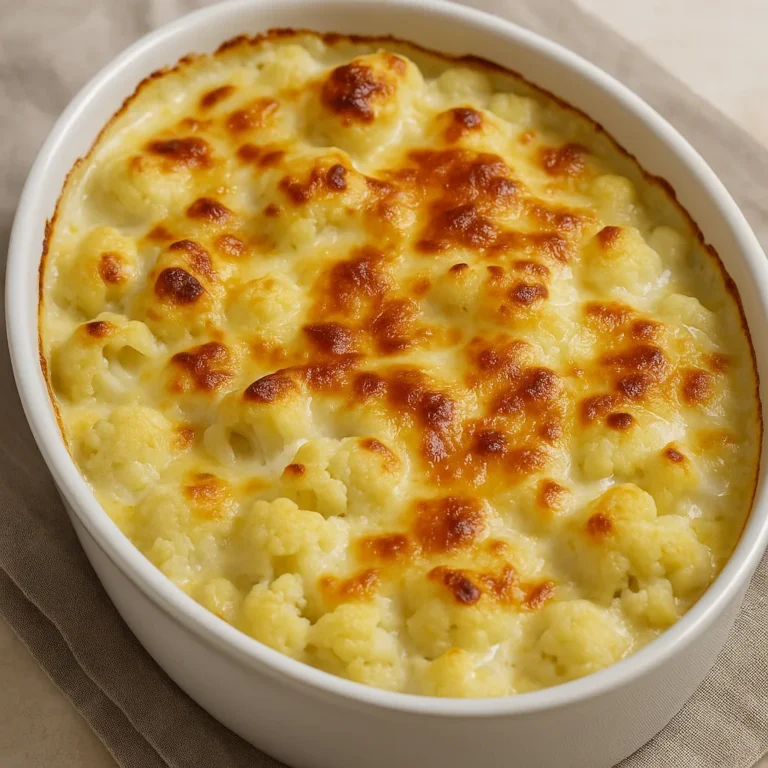
Baked Cauliflower Gratin with Béchamel (Karnabahar Graten)
 1 hr 10 min