
Yulaflı Zeytinli Ekmek (Turkish Oat & Olive Bread) from My Kitchen
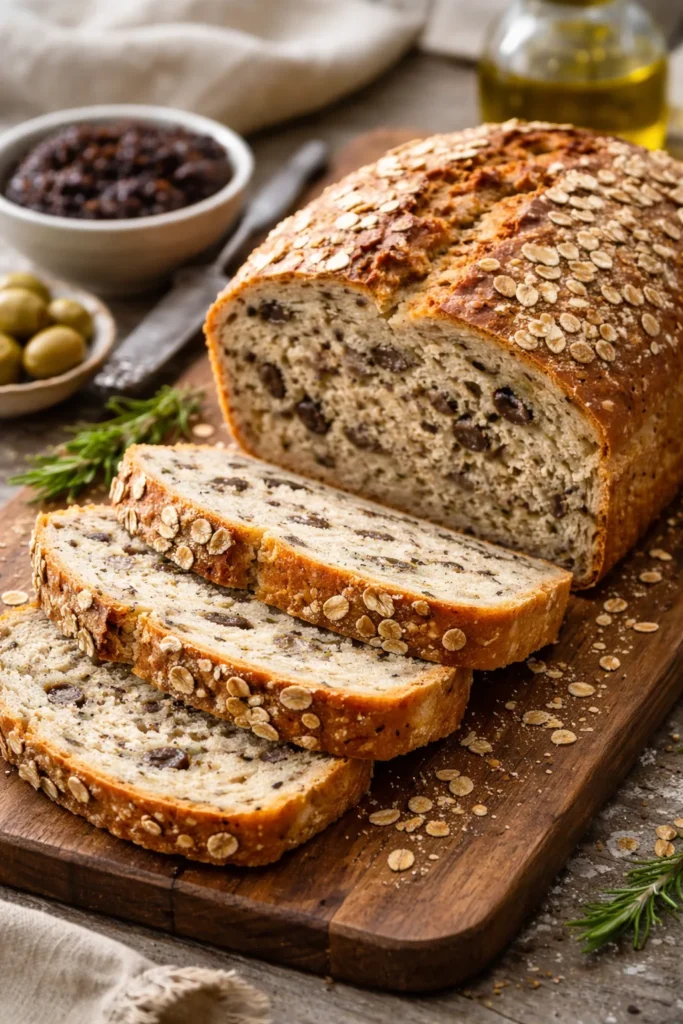
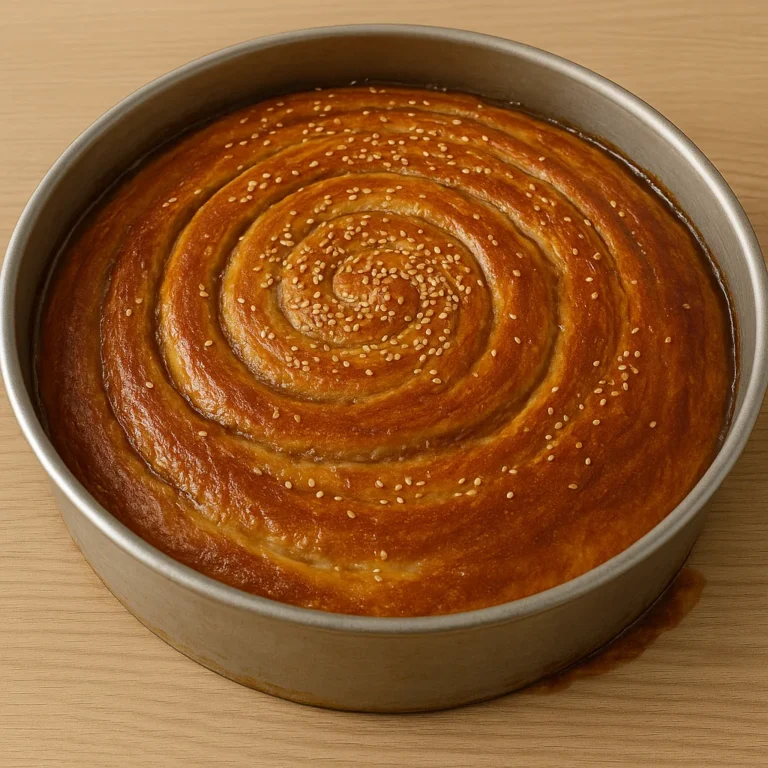
Yulaflı zeytinli ekmek (Turkish oat and olive bread) is a modern loaf that brings together Mediterranean and Northern European baking habits. Olives and olive oil have long been staples in Anatolian, Aegean and Mediterranean kitchens, and in country cooking they were often added to bread dough in the spirit of “use what you have,” adding flavor and making the loaf more filling. Olive breads keep well and satisfy hunger, so they have traditionally been packed for people heading out to the vineyard or the field. They are plain bread, enriched with a small touch.
Oats came into bread baking more through Northern European kitchens and today’s home-baking habits. Because they are fibrous and filling, oats have increasingly been used alongside classic wheat flour, especially by people looking for a heartier everyday loaf. Today, oat and olive bread can be seen as a contemporary take on the traditional olive bread: a warm table bread that combines the simple, resourceful cooking of the past with a practical, bake-it-at-home approach.
Why I Love Baking Oat & Olive Bread at Home
When you bake oat and olive bread at home, you know exactly what goes into your loaf. There are no preservatives or unnecessary additives, just flour, oats, olive oil, olives and yeast. Oats make the bread hearty and filling, and olives and olive oil give it a rich flavor. It is also the loaf that makes me say, “I’ll just make this instead of going out to buy bread”: it is simple, satisfying, and something I’m happy to put on the table.
This content is for general information only and is not medical advice.
I hope it makes a lovely memory at your table!
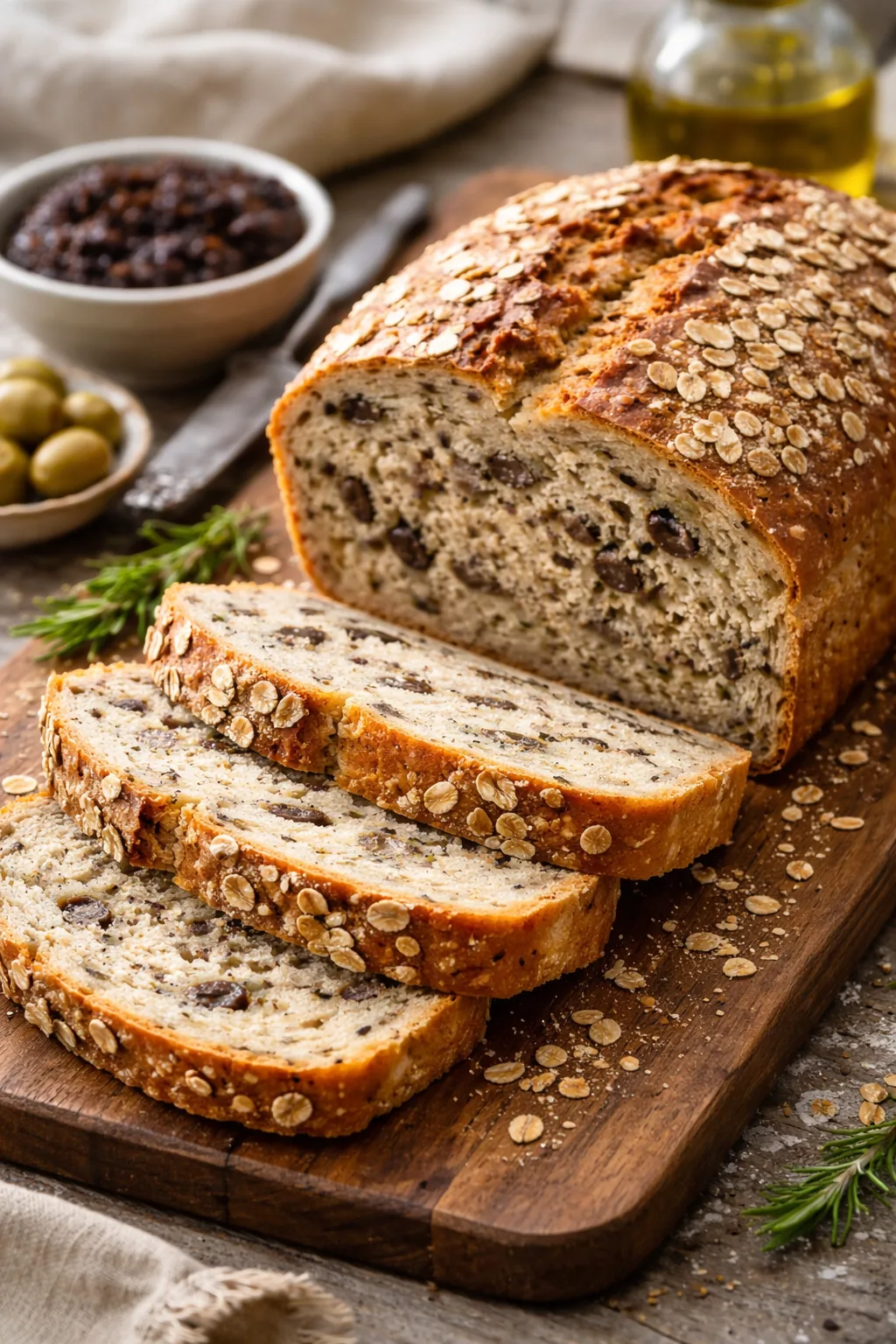
Yulaflı Zeytinli Ekmek (Turkish Oat & Olive Bread)
Ingredients
Yapılışı
- Pour the lukewarm water into a mixing bowl, add the sugar and yeast, and stir. Let it sit for about 5 minutes so the yeast activates.
- Add the flour and oat flour, then add the salt and start mixing.
- Add the olive oil and olive paste and knead until the dough comes together. The dough should be soft and slightly sticky.
- Cover the bowl and let the dough rise in a warm place for 30–40 minutes, until it has clearly increased in volume.
- Gently deflate the risen dough and transfer it to a greased loaf pan.
- Bake in a preheated 200°C (400°F) oven for 10 minutes, then lower the temperature to 180°C (350°F) and bake for another 25–30 minutes, keeping an eye on it.
- Remove the bread from the pan and let it rest on a wire rack for 10–15 minutes, then slice.
Püf Noktaları
⭐ Did you try this recipe? Rate it with stars below and tell us how it turned out; your comment helps other readers too.
You May Also Like
- Nohutlu Ekmek (Turkish Chickpea Bread) Recipe
- Bazlama Recipe: Fluffy Handmade Turkish Flatbread for Sunday Morning
- Garlic Bread Christmas Tree (Sarımsaklı Ekmek) for Your New Year’s Table
Frequently Asked Questions About Yulaflı Zeytinli Ekmek
Can I use store-bought oat flour or whole rolled oats in Yulaflı Zeytinli Ekmek?
Yes, store-bought oat flour works the same as oat flour ground from rolled oats, so use 1 cup (200 ml). If you only have rolled oats, grind them in a food processor until they look like fine flour. Whole, unground oats will make the crumb coarser and the dough thirstier, so the loaf will not match the recipe.
Why is my oat and olive bread dough too sticky, or why did the loaf turn out dense?
A soft, slightly sticky dough is normal here, because oat flour has no gluten and holds less structure than wheat flour. If it is unmanageable, knead in a tablespoon or two of flour at a time, but avoid making it stiff, which leads to a dense loaf. Also check that the yeast foamed in the first 5 minutes and that the dough clearly grew during the 30-40 minute rise.
Can I use whole or chopped olives instead of olive paste in this bread?
Yes, you can swap the 3-4 tablespoons of olive paste for about 1/2 cup of pitted, well-drained, roughly chopped olives. Fold them in at the end of kneading. Olives are salty, so taste one first and consider trimming the 1 teaspoon of salt a little. The crumb will be less evenly flavored than with paste, but you get nice olive pieces in every slice.
How long does Yulaflı Zeytinli Ekmek keep, and can I freeze it?
Once fully cooled, wrap it well and keep it at room temperature for 1-2 days. In the fridge it keeps for about 3-4 days, though it may dry out a little. For longer storage, slice it and freeze it in an airtight bag for up to 2 months, then toast slices straight from the freezer or thaw them at room temperature.
Can I bake this oat and olive bread without a loaf pan?
Yes, but the dough is soft, so it will spread more than it rises. Shape it into a round or oval loaf on a baking sheet lined with parchment, let it rest, and bake at the same temperatures, 200°C for 10 minutes and then 180°C. Start checking a few minutes earlier than in a pan. The loaf is done when the crust is golden and the bottom sounds hollow when tapped.
Similar recipes
 3 hr 10 min
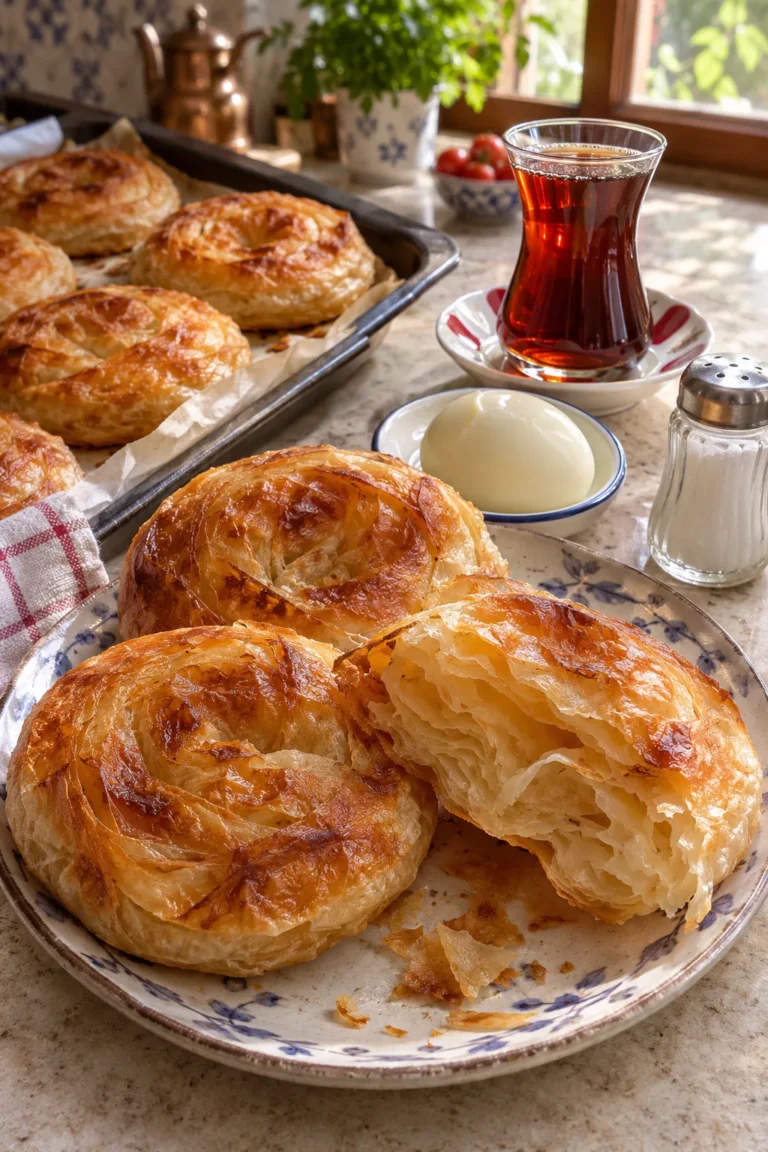
Homemade Izmir Boyoz (Layered, Crispy Turkish Pastry)
 1 hr 10 min
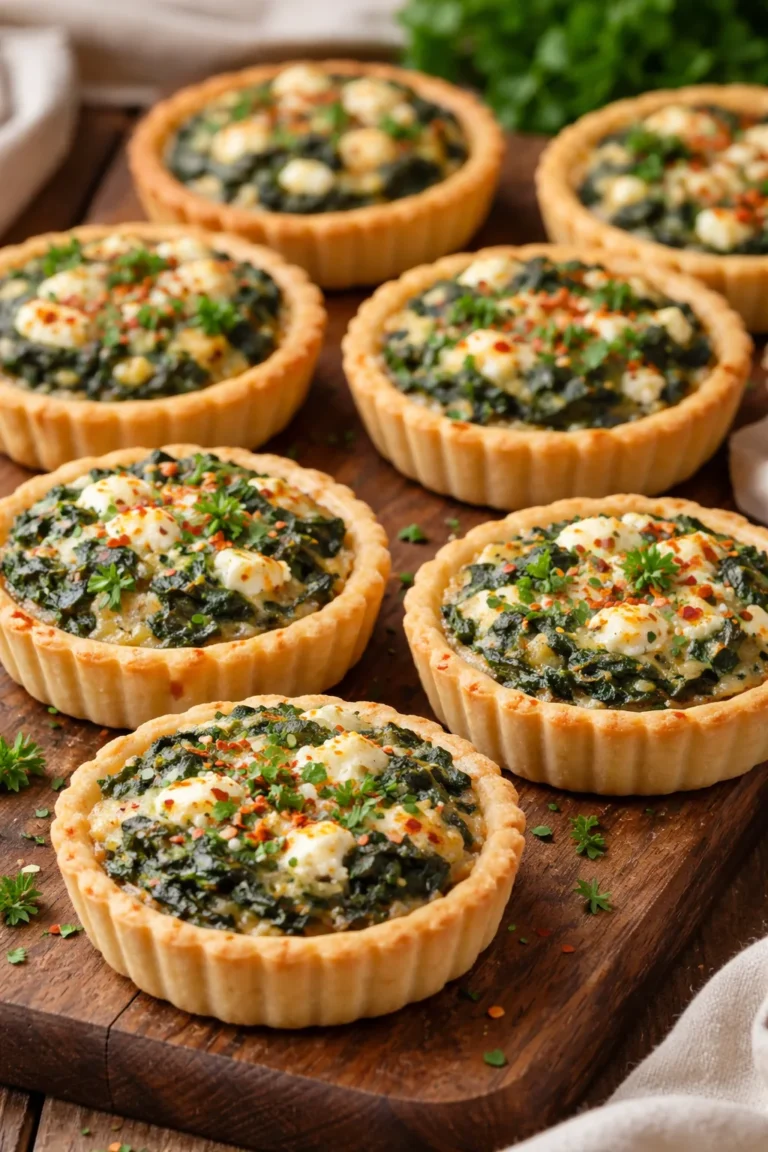
Ispanaklı Tartolet (Turkish Spinach Tartlets) Recipe
 12 min
10-Minute Lavaş Pizza (Easy Lavash Flatbread Pizza)
 1 hr 55 min