
A Summer Table Staple: Perfectly Cooked Zeytinyağlı Barbunya (Turkish Cranberry Beans in Olive Oil)
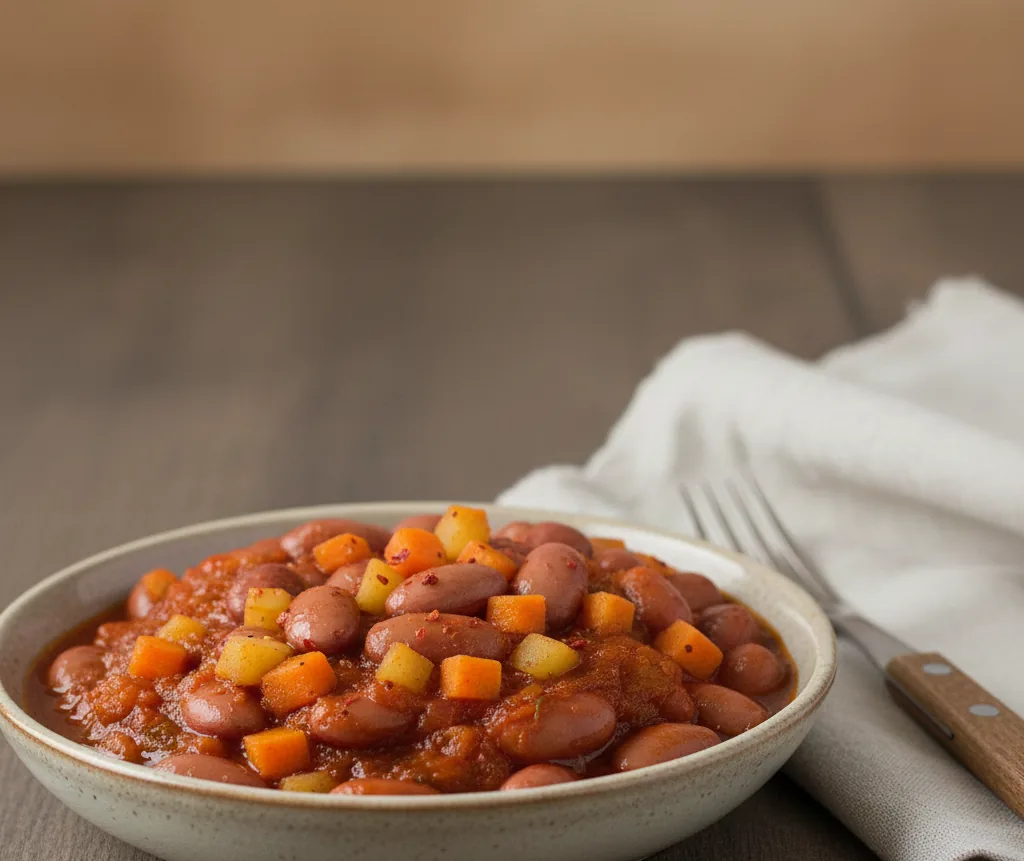
Zeytinyağlı Barbunya (Turkish cranberry beans in olive oil) is a noble immigrant that traveled thousands of kilometers from Central and South America and found its true home in Anatolian and Aegean cuisine. When the bean reached Europe from the 16th century onward (after the Age of Discovery) and then the Ottoman lands, it quickly adapted to the Aegean tables embraced by olive oil and summer sun. Like the olive tree itself, it became part of this region’s warmth and abundance. From then on, Barbunya Pilaki was more than a dish; it became a symbol of summer months, breezy balconies, special tables set for guests and, most of all, the home cooking of our mothers and grandmothers. It takes patience to cook. As it simmers slowly with olive oil, carrots and tomato paste, it fills not just the pot but the whole kitchen with a cozy, peaceful feeling. For me, barbunya is not just something served on a plate; it stands for the calm of summer days and the warmth of being together.
A Few Words About Cranberry Beans
Dear friends, Barbunya Pilaki is more than a delicious olive oil dish. Beans are a fiber-rich ingredient, and cooked slowly with fresh vegetables they make a satisfying, wholesome plate that is lovely to share at the table.
This content is for informational purposes only and is not medical advice.
I hope it leaves you with a lovely memory!
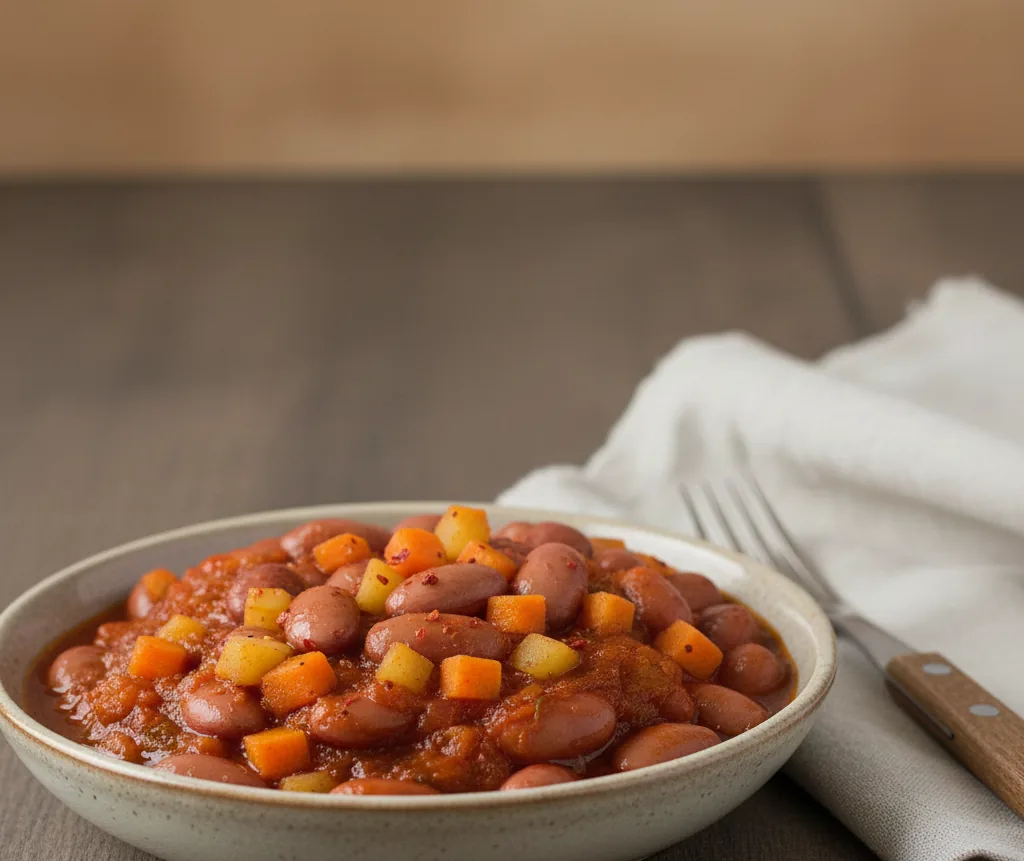
Zeytinyağlı Barbunya Pilaki (Turkish Cranberry Beans Braised in Olive Oil)
Ingredients
Yapılışı
- Heat: Add half of the olive oil (about 25 ml) to a wide pot and heat it.
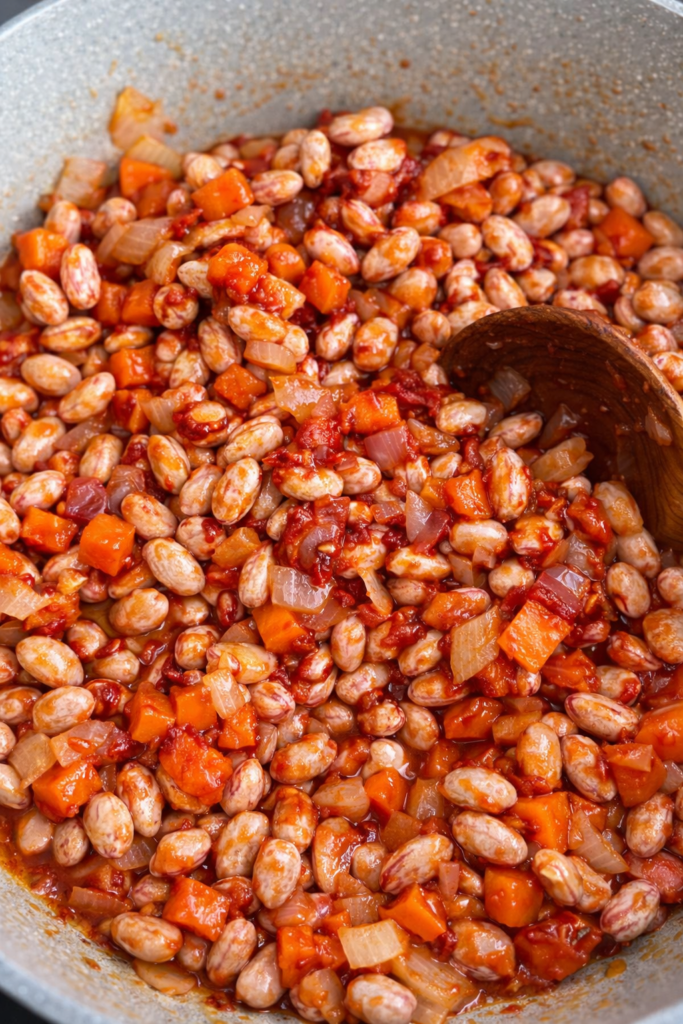
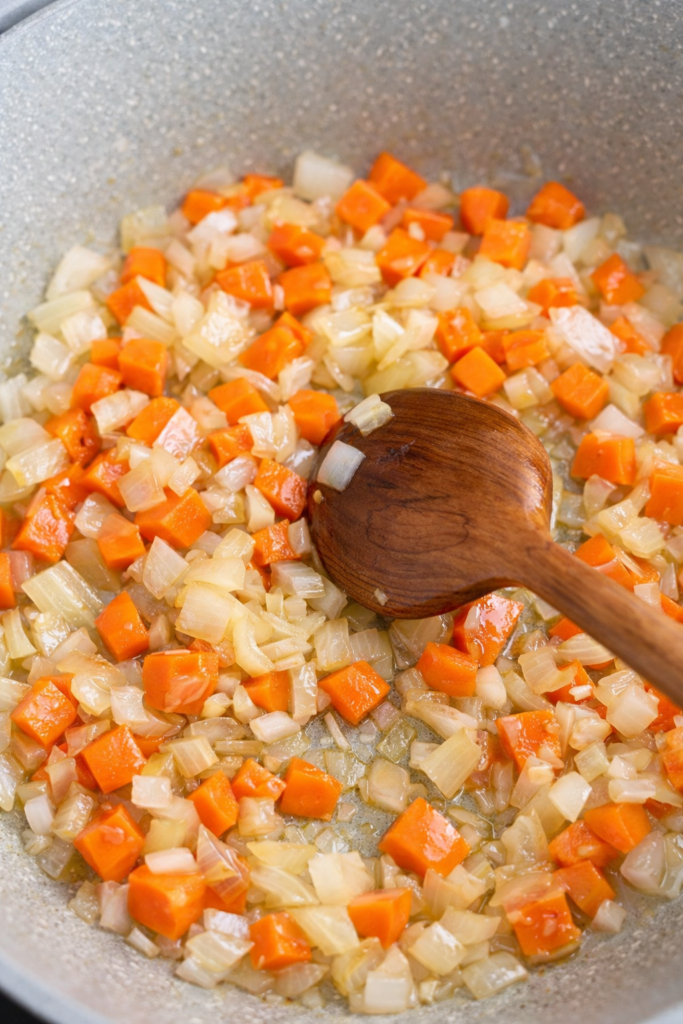
- Onion and Carrot: Add the chopped onion and sauté until it changes color. Then add the diced carrot and continue cooking for another 2-3 minutes.
- Tomato Paste: Add the tomato paste and sauté for 1 more minute, until fragrant.
- Beans and Sugar: Add the shelled fresh beans to the pot. Add the salt, black pepper and sugar cube (or granulated sugar).
- Stir: Gently stir until everything is well combined.
- Cook: Cover the pot. Once it starts to boil, turn the heat to the lowest setting and cook until the beans are tender, about 45-60 minutes. (Tip: Try not to stir the pot too often while cooking so the beans don’t fall apart.)
- Rest: Take the cooked beans off the heat and let them rest in their own juices, without opening the lid, until they reach room temperature. This is important for the flavors to settle.
- A Touch of Olive Oil: Just before serving, drizzle the remaining olive oil (about 25 ml) over the dish. (The flavor of olive oil dishes is lifted by a little raw olive oil added at the end.)
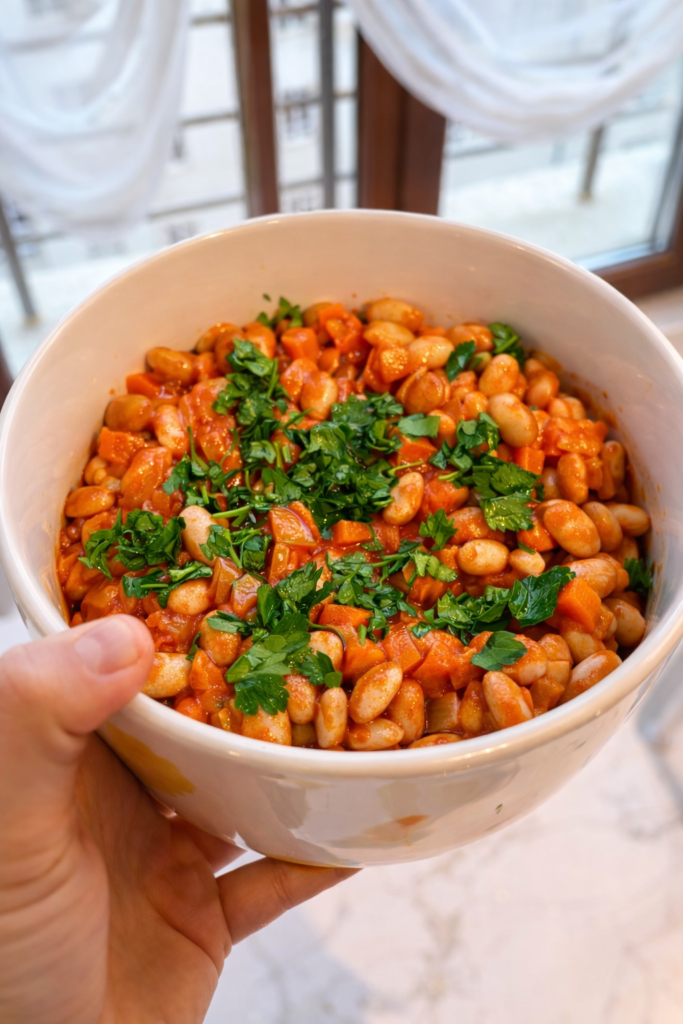
- Serve: Chill the dish well in the refrigerator, transfer it to a serving plate, sprinkle generously with chopped fresh parsley and serve cold.
Püf Noktaları
⭐ Have you tried this recipe? Rate it with stars below and tell us how it turned out; your comment helps other readers too.
You May Also Like
- Fırında Hindi (Turkish-Style Roast Turkey): A New Year’s Must-Have
- Yoğurtlu Dövme Meze: Urfa-Style Yogurt & Wheat Berry Appetizer
- Biber Dolması (Turkish Stuffed Colorful Peppers with Bulgur & Rice, Olive Oil Style)
Frequently Asked Questions About Zeytinyağlı Barbunya
Can I make this barbunya pilaki recipe with canned or dried beans instead of fresh?
Yes, but the method changes a little. Canned beans are already cooked, so drain and rinse them, then simmer in the sautéed vegetables with less water for only 15-20 minutes. Dried beans should be soaked overnight and boiled until nearly tender before they go into the pot. Expect a longer simmer than the fresh-bean time given in the recipe.
Why are my barbunya beans still hard after an hour of cooking?
The most common causes are older beans, a lid that was lifted too often, or a flame that was too low to keep a gentle simmer. Check that the water still just covers the beans, and add a little hot water if it has dried out. Keep the lid on and cook another 10-15 minutes, then test again.
How long does zeytinyağlı barbunya keep in the fridge?
Store it in a covered container in the fridge for up to 3 days. Keep it in its own cooking juices so the beans stay moist and flavorful. Add the parsley and a little raw olive oil just before serving so the dish tastes fresh.
Can I freeze barbunya pilaki?
You can, though the texture is best when eaten fresh. Cool it completely, pack it with its juices in an airtight container, and freeze for up to 1-2 months. Thaw it overnight in the fridge. The beans may be a bit softer, so serve it cold with fresh parsley and a drizzle of olive oil.
My barbunya came out too watery. How can I fix it?
Remove the lid and simmer over low heat for 5-10 minutes so the extra liquid reduces, stirring very gently to keep the beans whole. Next time, add only enough hot water to just cover the beans. Letting the pot rest covered until it cools also helps the juices thicken slightly.
Similar recipes
 1 hr 5 min
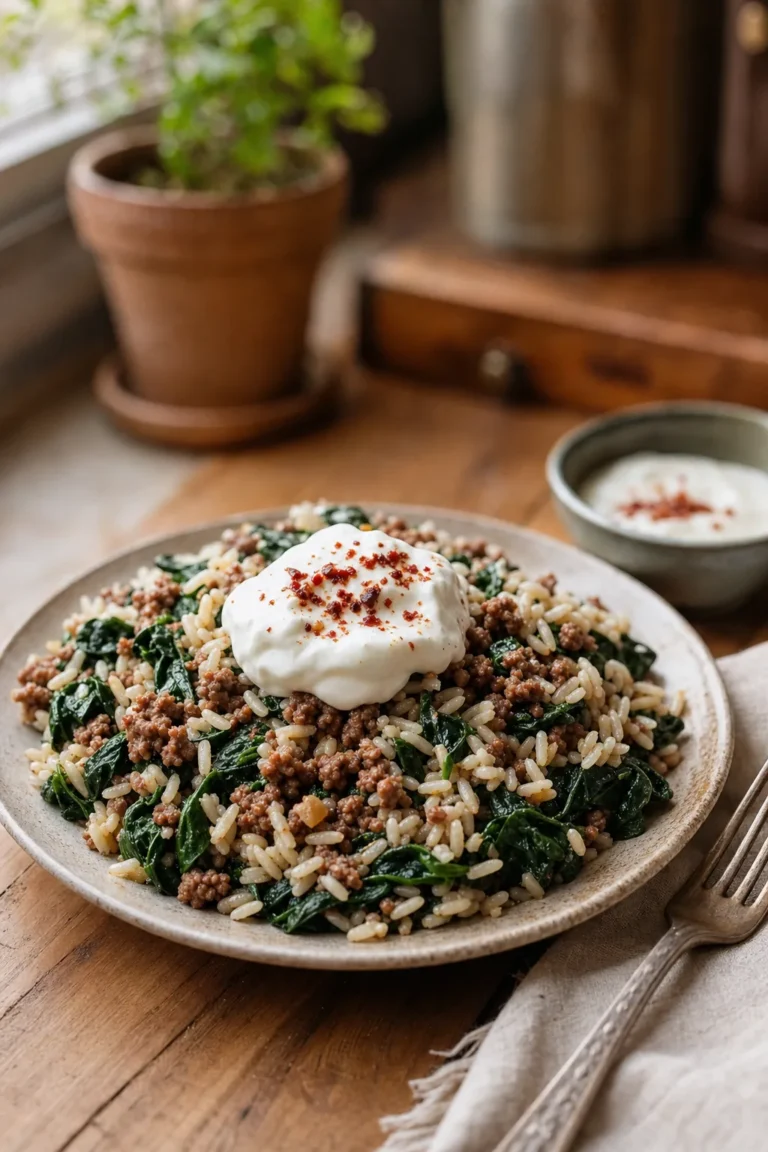
Kıymalı Ispanak Yemeği Recipe (Turkish Spinach with Ground Beef & Rice, Served with Yogurt)
 50 min
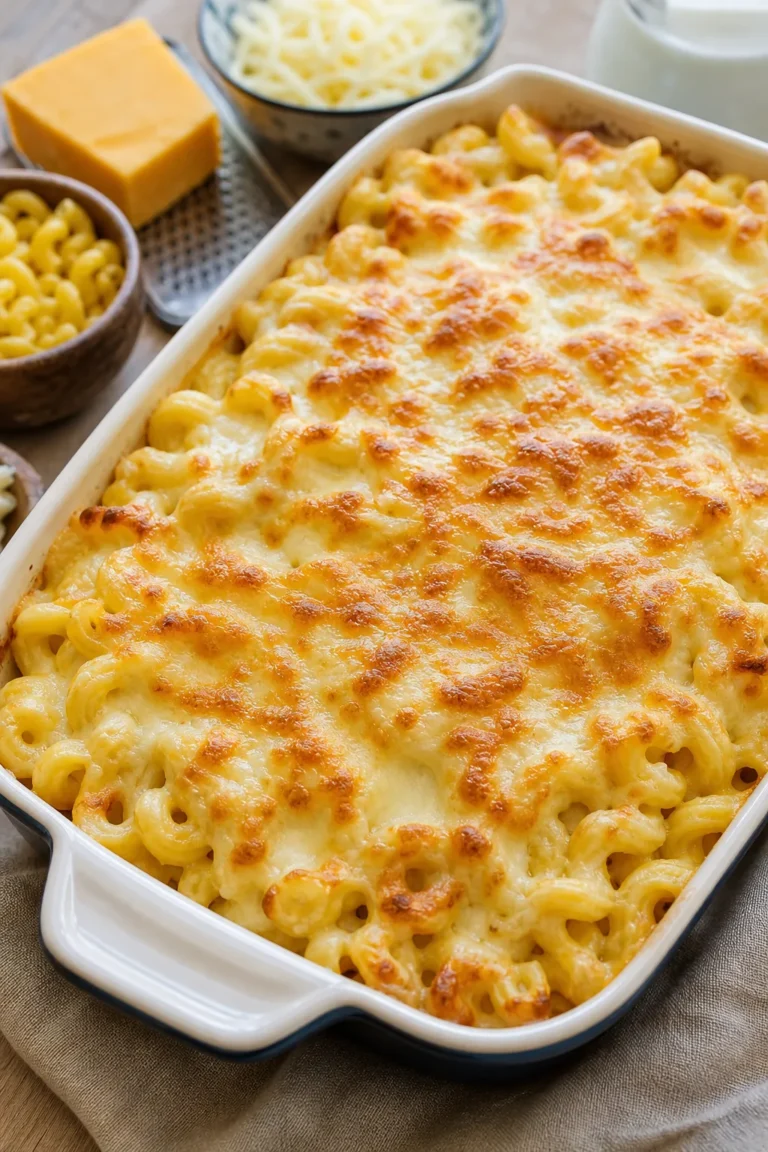
Tini-Style Baked Mac and Cheese (Fırında Peynirli Makarna) Recipe
 45 min
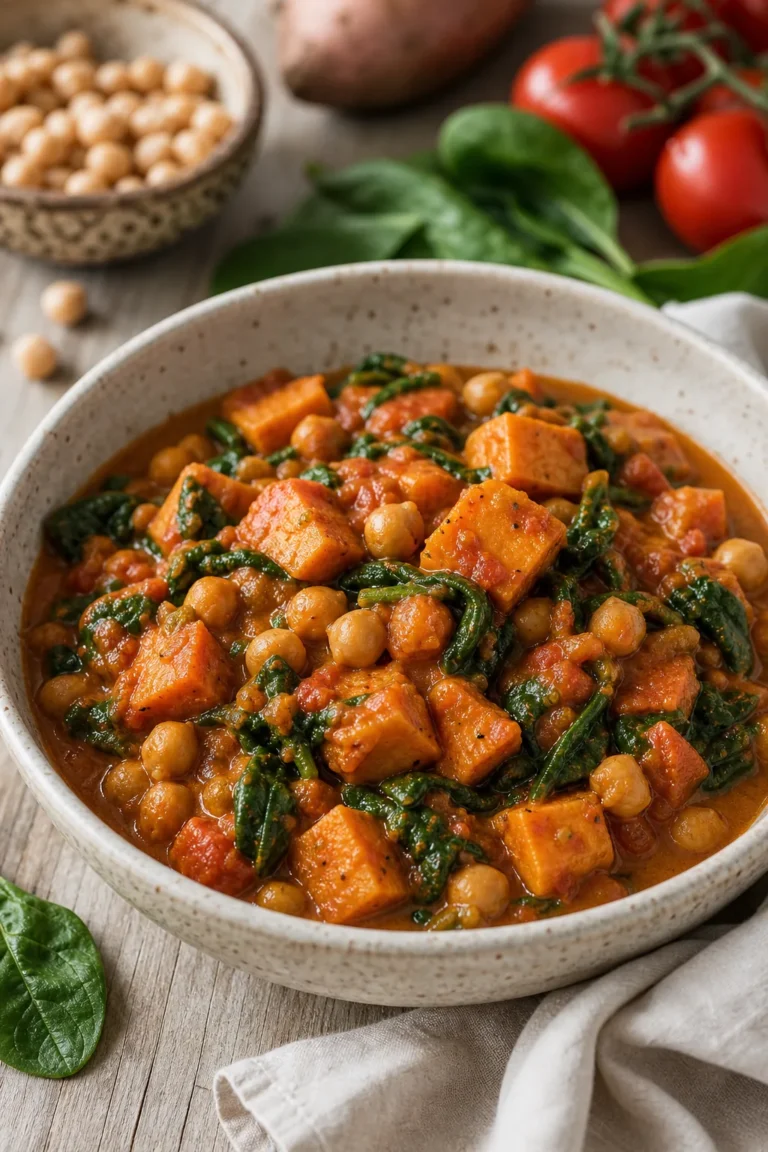
Sweet Potato Peanut Butter Curry Recipe (Tatlı Patatesli Fıstık Ezmeli Köri)
 55 min