
Classic Un Helvası (Turkish Flour Halva) Recipe – Exact Measurements, Never Lumpy
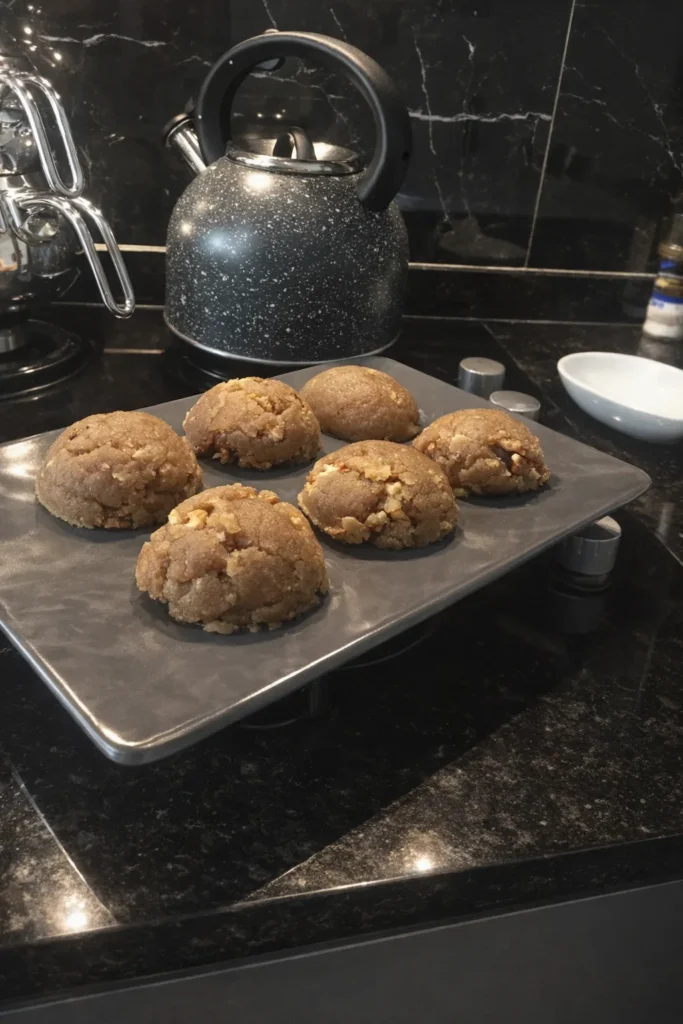
Un helvası (Turkish flour halva) is often traced back to Ottoman cuisine, and over time it found its way into almost every Anatolian home as one of the simplest yet most meaningful desserts. It is made with basic ingredients like flour, butter and sugar, which made it easy to embrace in both palace kitchens and everyday homes. In Ottoman culture, halva was seen not just as a dessert but as part of a ritual. In the palace “halva gatherings,” different kinds of halva were made and shared, and this tradition later carried over into home kitchens as well. Within this culture, flour halva stood out for being practical and filling.
Over time, un helvası became closely tied to meaningful occasions such as charity offerings, kandil nights, memorial gatherings after a loss, and mevlit readings. Flour roasted with the intention of “may it reach their soul” came to symbolize patience and waiting, which is why roasting it slowly and never rushing it matters so much. In Anatolia, “a pot of flour halva” has sometimes meant sharing a sorrow and sometimes announced a new beginning. That is why un helvası does not belong to one particular season but to life’s turning points; what makes it special is not only when it is made, but the intention behind it.
A Note on Enjoying Un Helvası
Un helvası is a rich, warming, satisfying dessert, especially welcome on cold days. When you make it at home, you know exactly what goes into it, and adding walnuts gives it a lovely crunch. Since it is made with plenty of butter and sugar, it is best enjoyed in small portions, whether you are serving it to guests or sharing it as a charity offering.
This content is for informational purposes only and is not medical advice.
I hope it leaves you with a lovely memory!
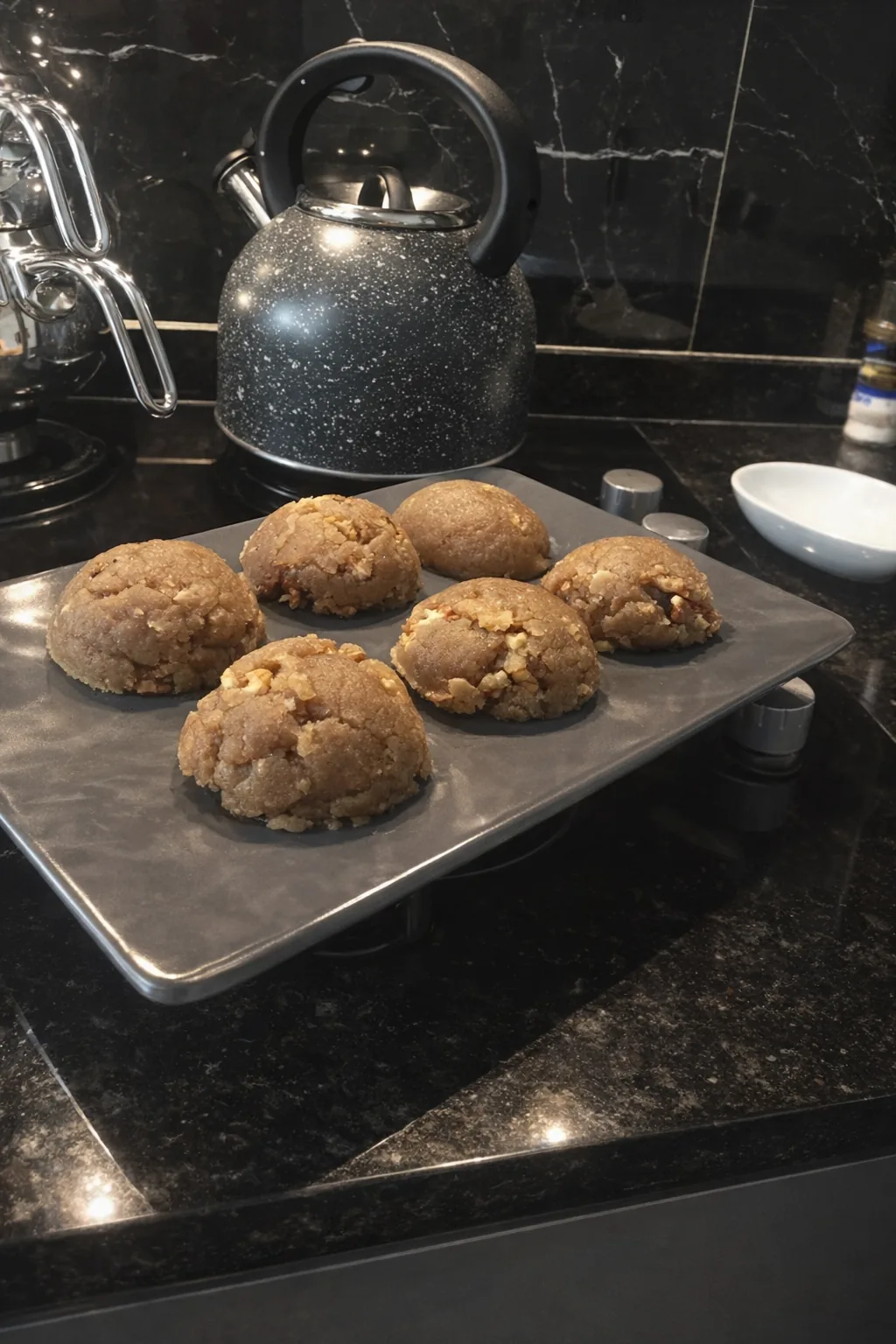
Classic Un Helvası (Turkish Flour Halva) Recipe
Ingredients
Yapılışı
- First, combine the sugar and water in a small saucepan and place it on the stove. Once it starts to boil, turn off the heat and keep the syrup hot (halva loves hot syrup).
- In a wide, heavy-bottomed pot, melt the butter and vegetable oil; that wonderful aroma will start filling the kitchen. Once the fats have melted, add the flour and start roasting patiently over low to medium heat. Stir constantly until the color goes from pale yellow to golden brown; if you rush, the flour burns and turns heavy.
- When the flour reaches the color you like, add the coarsely chopped walnuts and stir for 1 to 2 more minutes. Once the walnuts meet the butter, the flavor really comes out.
- Lower the heat and pour in the hot syrup slowly. It is normal for it to sputter a bit at this stage; keep stirring with a wooden spoon.
- When the halva has absorbed the syrup and starts pulling away from the sides of the pot, it is done. Turn off the heat, cover the pot, and let it rest for 10 minutes.
- Shape the rested halva with a spoon or press it into a mold. It is lovely warm and just as good once cooled. Serve it with tea, as a charity offering, or just because you feel like it. It warms you up either way 🤍
Püf Noktaları
⭐ Did you try this recipe? Rate it with stars below and tell us how it turned out; your comment helps other readers too.
You May Also Like
- Irmik Helvası (Turkish Semolina Halva): Fluffy, Fragrant and Perfectly Grainy
- Foolproof Revani (Turkish Semolina Cake in Syrup) with Perfect Measurements
- Imam Bayıldı (Turkish Stuffed Eggplant) One Plate Is Never Enough For
Frequently Asked Questions About Un Helvası
Why did my un helvası turn out too soft or sticky, and how can I fix it?
Soft, sticky halva usually means the flour was not roasted long enough or the syrup was too much for the flour. Put the pot back on low heat and stir for a few more minutes until it pulls away from the sides. Next time, measure carefully with a 200 ml cup and roast until the flour is a deeper golden brown.
How do I fix lumps in my Un Helvası recipe if they appear after adding the syrup?
Keep the heat low and stir hard with a wooden spoon, pressing the lumps against the side of the pot to break them up. Small lumps usually smooth out as the halva cooks and absorbs the liquid. If they are stubborn, add a tablespoon or two of hot water or milk and keep stirring over low heat.
How long does un helvası keep, and how do I store it?
Let it cool completely, then keep it in an airtight container. It is best within a day or two at cool room temperature, and in the fridge it will generally keep for about 4 to 5 days. Reheat a portion gently in a pan or microwave with a spoonful of water or milk to soften it.
Can I make un helvası ahead of time or freeze it?
Yes. You can make it a day ahead and reheat it gently before serving. For longer storage, freeze it in airtight portions for up to 1 to 2 months, thaw it in the fridge, then warm it slowly in a pan with a splash of water or milk, stirring until it is smooth again.
Can I make flour halva with only butter, or use less sugar?
You can use all butter instead of the butter and oil mix. Just keep the total fat around 130 g so the halva stays rich and does not dry out. You can reduce the sugar slightly, but the halva will be less sweet and a little softer, so reduce it gradually, for example by 2 to 3 tablespoons, and see how you like it.
Similar recipes
 9 hr 45 min
Honey Cocoa Spartak Pasta (Turkish Layered Cake, Homemade)
 1 hr 30 min
Volkan Kek (Turkish Chocolate Volcano Cake with Molten Chocolate Sauce)
 1 hr 50 min
Mini Köstebek Pasta (Individual Turkish Mole Cakes with Banana & Cream)
 43 min