
Baked Orange Soufflé (Portakallı Sufle): Light Outside, Soft and Runny Inside

About Portakallı Sufle (Orange Soufflé)
Orange soufflé takes its roots from the classic French soufflé technique. The word “soufflé” means to puff up, to breathe in French, and the first examples appeared in 18th-century France, once the leavening power of beaten egg whites was discovered. Soufflés were mostly savory at first; over time sugar, vanilla and chocolate were added, and citrus zest and juices began to be used to bring a fresh aroma to sweet soufflés, especially in kitchens with a Mediterranean influence. Here, orange stands out as an alternative to heavier desserts, thanks to both its fragrance and its light acidity.
Orange soufflé is considered a dessert of winter and late autumn, because those months are when oranges are at their most aromatic and juicy. In home kitchens it’s a favorite when you want to step away from the dominant flavor of chocolate and make something lighter that feels “fresh out of the oven.” Although Anatolia has no classic recipe for it, this home-style version inspired by French cuisine has found its place among “chocolate-free but sophisticated” desserts, and it has become a well-loved choice for modern tables that like to experiment and let the aroma of orange take center stage.
May it leave you with a lovely memory!

Baked Orange Soufflé (Portakallı Sufle): Light Outside, Soft and Runny Inside
Ingredients
Yapılışı
- Start heating the oven to 190°C (375°F), top and bottom heat.
- Grease the inside of the ramekins well with butter (bottom and sides).
- Pour in the powdered sugar, coat every surface, and tip out the excess.
- Arrange the ramekins on a baking tray and, if you like, chill them in the fridge for 10 minutes.
- Melt 2 tablespoons of butter in a small saucepan.
- Add 2 tablespoons of flour and cook for 1–2 minutes, until it smells toasty.
- Add the milk a little at a time, whisking, and cook until thickened.
- Take it off the heat once it reaches a thick pudding-like consistency.
- Add the orange, stir in the yolks
- Once the base has cooled a little (it shouldn’t be hot), add the orange juice and orange zest.
- Then add the egg yolks one by one, mixing quickly.
- In a separate, dry, clean bowl, start beating the egg whites with a pinch of salt.
- When they turn foamy, add the powdered sugar a little at a time.
- Beat until you have a glossy, dense foam that holds stiff peaks.
- Add one-third of the whipped whites to the base and stir to loosen it.
- Gently fold in the remaining whites from the bottom up with a spatula. (Don’t whisk or deflate them.)
- Divide the mixture among the ramekins, filling them 3/4 full.
- Put the tray in the oven and bake for 12–15 minutes.
- Don’t open the oven door during this time (the soufflé may collapse).
- Take them out once the tops have risen and turned lightly golden. The soufflé settles as it waits, so serve it piping hot.
- If you like, sift a tiny bit of powdered sugar over the top.
Püf Noktaları
⭐ Did you try this recipe? Rate it with stars below and tell us how it turned out; your comment helps other readers, too.
Tips for Making Orange Soufflé
Grease the ramekins with butter and coat them with powdered sugar; the soufflé grips the sides of the dish and rises straight up. Beat the egg whites until they form stiff peaks, then fold them gently into the mixture without deflating them.
Don’t open the oven door while it bakes, or the soufflé will collapse right away.
Serving and Storage
Serve the soufflé right out of the oven, dusted with sifted powdered sugar; it settles within minutes. A scoop of vanilla ice cream on the side goes beautifully with it.
Soufflé isn’t meant to wait; it should be eaten fresh.
You May Also Like
- Molten Chocolate Soufflé (Çikolatalı Sufle) with a Gooey Center
- Leche Frita (Kızarmış Süt Tatlısı): Spanish Fried Milk Dessert, Crispy Outside, Creamy Inside
- Brownie Kurabiye Recipe (Turkish Brownie Cookies, Crisp Outside, Fudgy Inside)
Frequently Asked Questions About Portakallı Sufle
Can I prepare the orange soufflé base ahead of time?
Yes, you can cook the butter, flour and milk base ahead, but leave the egg yolks, orange juice and whites for the last step. Cover the base with plastic wrap touching the surface and refrigerate it for a few hours. Let it come back to room temperature, then add the yolks and fold in freshly whipped whites right before baking.
What can I use if I don’t have ramekins for Portakallı Sufle?
Oven-safe teacups, small ceramic bowls or a standard muffin tin can work. Butter and sugar them just like the ramekins and fill them about 3/4 full. Smaller molds cook faster, so start checking a few minutes early, while larger ones may need a little longer than 15 minutes.
How do I know when the orange soufflé is done but still soft inside?
The tops should have risen above the rim and turned lightly golden, which usually happens within 12-15 minutes at 190°C (375°F). The center should still jiggle slightly when you gently move the tray. If the surface looks pale and very wobbly, give it another minute or two, but don’t open the door too often.
Can I reheat leftover orange soufflé?
Reheating isn’t recommended, because a soufflé loses its airy structure as it cools and won’t puff up again. If you do have leftovers, refrigerate them promptly and eat them within a day. Enjoy them cold or lightly warmed as a dense, custard-like dessert, perhaps with a spoonful of ice cream.
Why does my orange soufflé taste bitter?
Bitterness usually comes from the white pith under the peel. Zest only the orange outer layer, as the recipe says, and stop as soon as you reach the white. Using fresh, ripe oranges and measuring the zest from just one orange also keeps the flavor fragrant rather than harsh.
Similar recipes
 9 hr 45 min
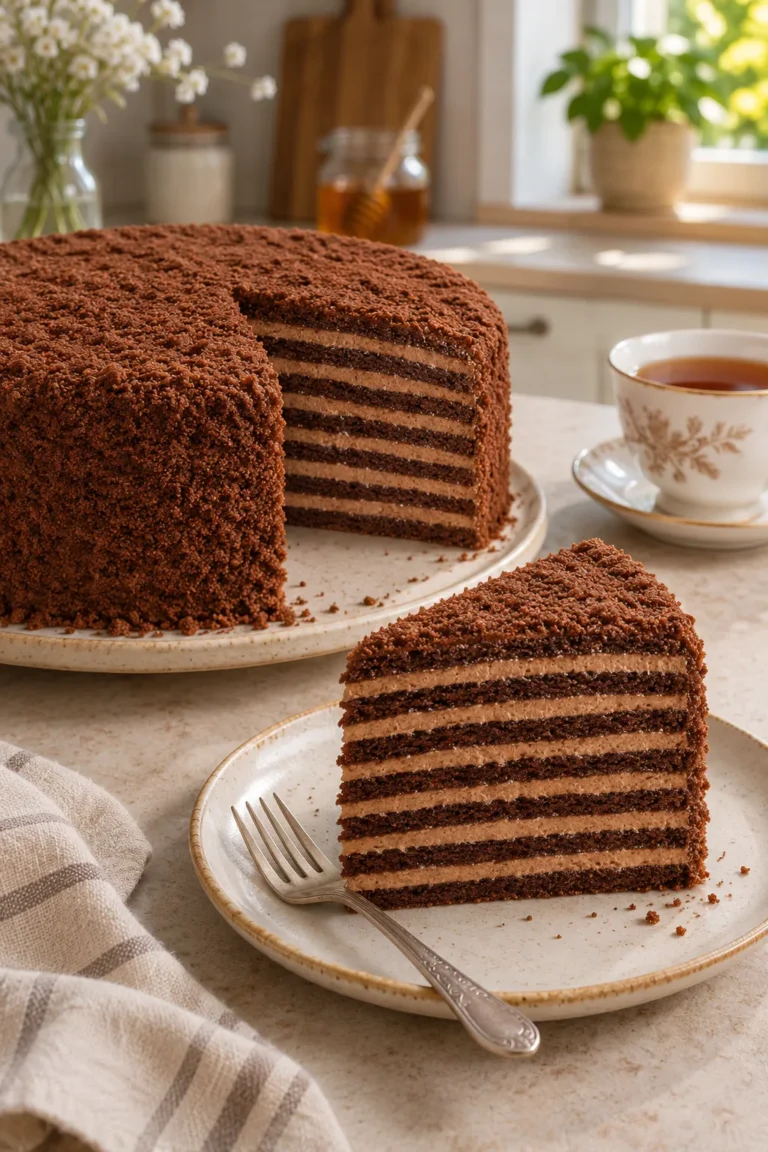
Honey Cocoa Spartak Pasta (Turkish Layered Cake, Homemade)
 1 hr 30 min
Volkan Kek (Turkish Chocolate Volcano Cake with Molten Chocolate Sauce)
 1 hr 50 min
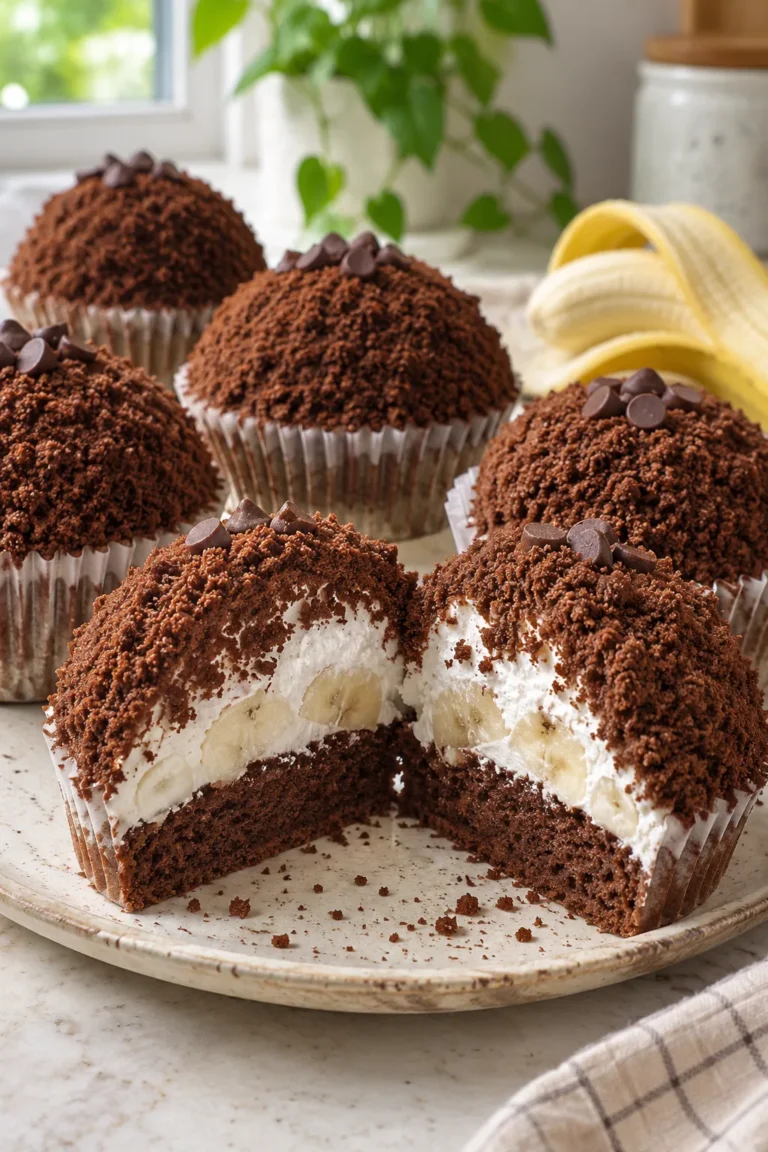
Mini Köstebek Pasta (Individual Turkish Mole Cakes with Banana & Cream)
 43 min