
Perfect Homemade Pizza with Par-Baked Crust (Ön Pişirmeli Pizza)

Pizza traces its roots to the kitchens of ancient Rome and Naples, where it began as a practical, filling meal for ordinary people. In ancient times this simple dish was made by topping bread dough with olive oil and herbs, and later tomatoes. It took a form closer to today’s pizza especially after tomatoes arrived in Europe in the 16th century. Thin-crust pizzas with few toppings, baked in wood-fired ovens in Naples, spread quickly among the people. The “put on whatever you have” spirit made pizza a staple of home kitchens.
Over time pizza became famous through the Margherita pizza, prepared in the 19th century for Queen Margherita of Naples, and spread well beyond Italy to the whole world. In Turkey, pizza became widely known especially after the 1980s, and was gradually adapted to home kitchens and enriched with all kinds of toppings. Today pizza is tied to weekends, family tables and sharing a meal. The homemade version is both economical and heartfelt, and it has never gone out of style.
Making Pizza at Home
When you make pizza at home, you decide how much oil, salt and cheese goes in. You can choose good flour, a real tomato sauce and the cheese you like. Lots of cheese and cured meats make a pizza richer, so I like to lean on vegetables and slice it into modest portions.
I hope it makes a lovely memory at your table!

Perfect Homemade Pizza with Par-Baked Crust
Ingredients
Yapılışı
- Add the sugar and yeast to the lukewarm water and let it sit for 5 minutes until foamy.
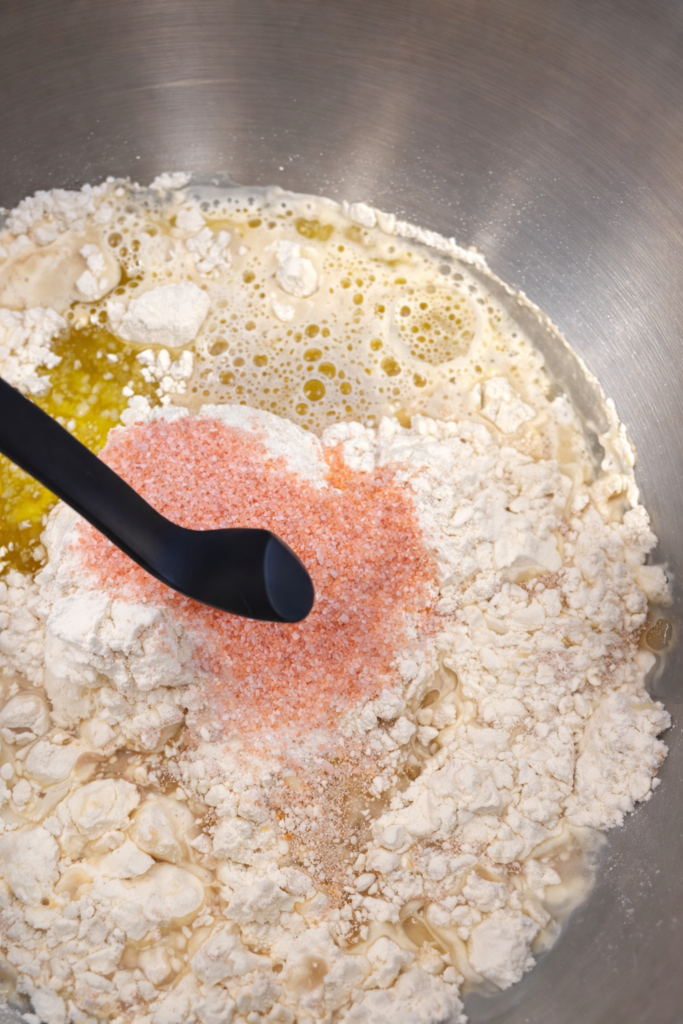
- Put the flour in a mixing bowl and sprinkle the salt around the edges.
- Make a well in the center and add the yeast water and olive oil.
- Knead for 8–10 minutes, until you have a soft dough that only slightly sticks to your hands.
- Shape the dough into a ball and cover it.
- Let it rise in a warm place for 45–60 minutes, until doubled in size.
- Add olive oil and garlic to a pan and stir briefly, just for a moment.
- Add the grated tomatoes and tomato paste.
- Add the salt, sugar, thyme, basil and black pepper.
- Simmer over low-medium heat for 5–8 minutes until thickened, then let it cool.
- Heat the oven to 250°C (about 480°F) with top and bottom heat; if you can, preheat the baking tray or stone too.
- Flour the dough and roll it out, thinner if you like thin crust, a little thicker if you like it thick.
- Place it on the tray and prick it in several places with a fork.
- Bake the plain dough at 250°C (about 480°F) for 5–7 minutes.
- The edges should firm up slightly and take on just a little color.
- Take the par-baked crust out of the oven and spread the sauce over it.
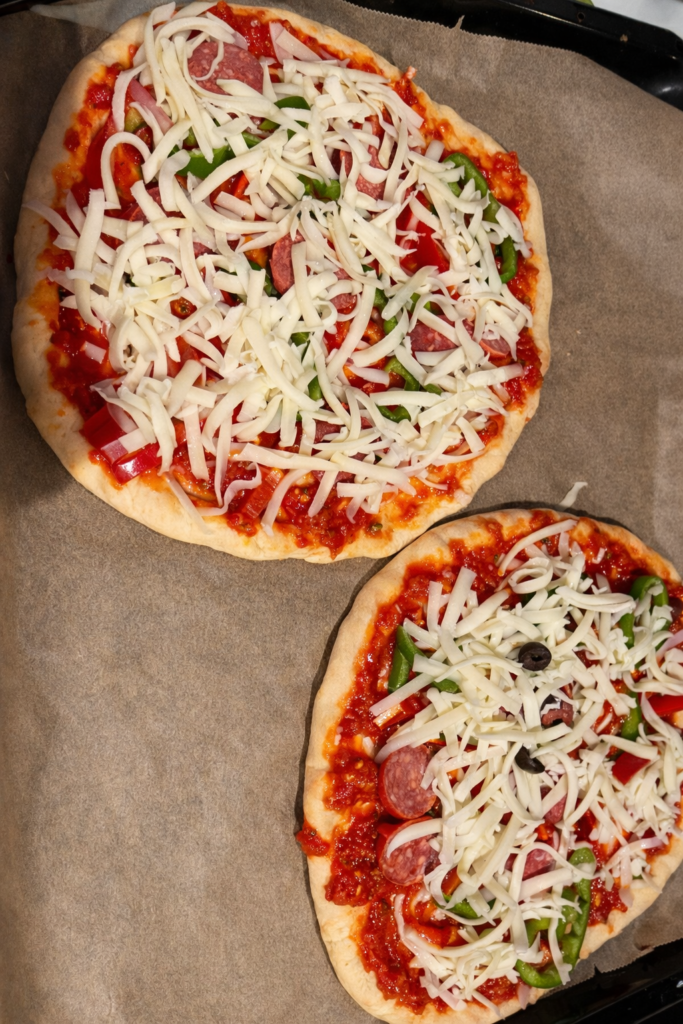
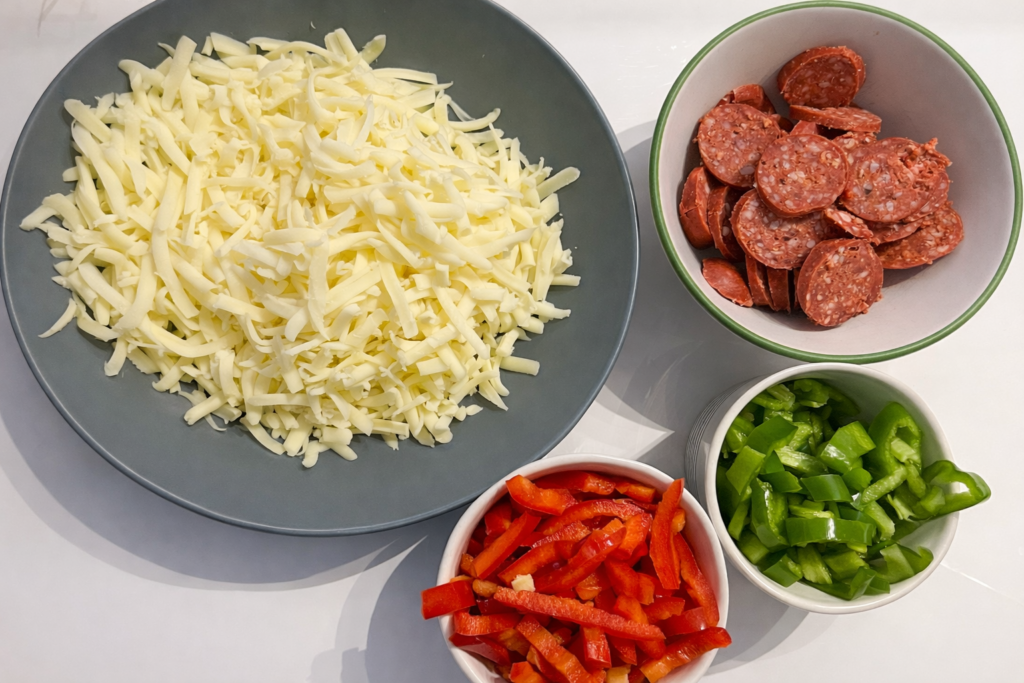
- Arrange your toppings and put the cheese on top.
- Mini tip (for better cheese)
- If you’ve piled on lots of toppings, you can add the cheese in the last 2–4 minutes.
- Let the pizza rest for 1–2 minutes after taking it out, then slice.
Püf Noktaları
⭐ Have you tried this recipe? Leave a star rating below and tell me how it turned out; your comment helps other readers too.



You May Also Like
- Ev Pidesi (Turkish Homemade Meat Pide): Foolproof Dough and a Wonderful Aroma
- Ekşili Kuru Bamya Yemeği (Tangy Dried Okra Stew with Lentils & Black-Eyed Peas)
- Dört Peynirli Pizza (4 Cheese Pizza) with Olio Santo Chili Oil
Frequently Asked Questions About Homemade Pizza with Par-Baked Crust
Why does my homemade pizza turn out soggy in the middle?
Usually the sauce is too thin or the toppings are too wet. Let the sauce simmer until thickened and cool completely before spreading, and spread it in a thin layer. Par-baking the crust for 5–7 minutes first also helps. Pat mushrooms and other watery vegetables dry before topping.
Can I make the par-baked crust ahead and freeze it?
Yes. Par-bake the plain crust as in the recipe, let it cool completely, then wrap it well and freeze for up to 1–2 months. Thaw it at room temperature for about 30 minutes, then add the sauce and toppings and bake again until the cheese is bubbly. Check the crust before topping, since the second bake may need a little less time.
Why isn’t my pizza dough rising?
The most common causes are old yeast, water that is too hot or too cold, or a cool room. Use lukewarm water, and make sure the yeast turns foamy within 5 minutes before you mix it in. If it stays flat, start over with fresh yeast. In a cool kitchen, give the dough a bit more time in a warm spot until doubled.
What can I do if my oven doesn’t reach 250°C?
Bake at your oven’s maximum temperature and preheat the tray for at least 15–20 minutes. A lower heat means a longer bake, so extend the par-bake and final bake by a few minutes, watching the crust edges and the cheese. A thinner crust cooks more evenly in a weaker oven, so roll it out a bit thinner.
How do I store and reheat leftover homemade pizza?
Cool the slices, then refrigerate them in an airtight container and eat within 2 days. To keep the crust crisp, reheat them in a hot skillet over medium heat for a few minutes, or in an oven at about 200°C for 5–8 minutes. The microwave makes the crust soft and chewy, so avoid it if you can.
Similar recipes
 3 hr 10 min
Homemade Izmir Boyoz (Layered, Crispy Turkish Pastry)
 1 hr 10 min
Ispanaklı Tartolet (Turkish Spinach Tartlets) Recipe
 12 min
10-Minute Lavaş Pizza (Easy Lavash Flatbread Pizza)
 1 hr 55 min