
Creamy Curry Pasta (Köri Soslu Makarna): The Aroma Says It All
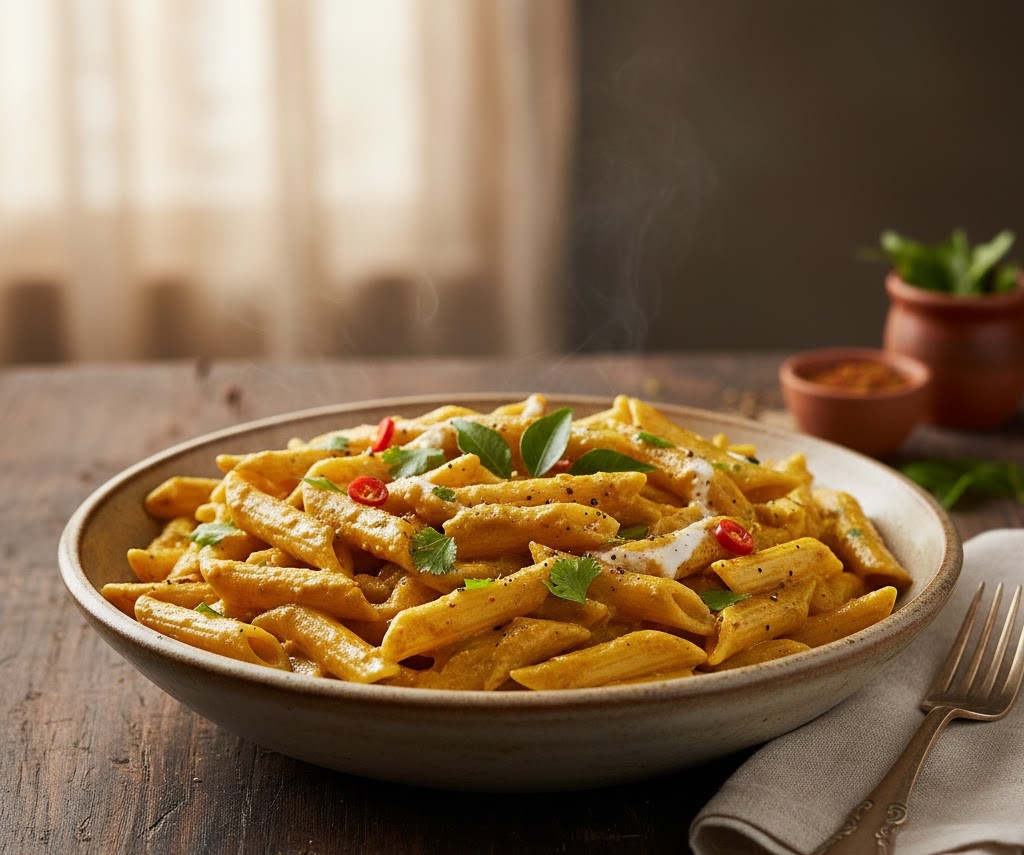
That wonderful aroma we call köri (curry) is really less a single spice than a blend of different spices (curry powder), in the form that became popular in the West. The flavor has its roots in South Asian cuisines. In countries like India and Sri Lanka, spices are generally used individually and fresh, while the idea of “curry powder” came into our lives over time as a practical blend that spread around the world, especially via England. So when you hear the word curry, you think of street food and also of the smell of spices slowly toasting at home. It’s a real “appetite-opening aroma culture.”
The pasta side is a whole different kind of home comfort: the simple but wonderful logic of Italian cooking meets the soft texture of cream, and you get “happiness on a single plate.” Creamy curry pasta is exactly where these two worlds meet: the warmth of spice on one side, the calming silkiness of cream on the other. The timing is clear, too: the evening after a busy day, those moments when you say “today I want to treat myself,” or the rush to pull a table together in 20–25 minutes before guests arrive… Once that aroma fills the kitchen, the whole house turns into a warm place, and that is the best moment for this recipe.
Good to Know:
Of course, this isn’t a “miracle health food,” but it has some nice points when you keep the portion sensible: pasta is a filling, satisfying base, and if you round it out with a salad or some protein (chicken, mushrooms, peas), it makes a more complete meal. The cream makes it rich, so it’s best enjoyed as a moderate portion with vegetables or protein on the side.
This content is for general information only and is not a substitute for medical or health advice.
Creamy Curry Pasta (Köri Soslu Makarna): The Aroma Says It All
Ingredients
Yapılışı
- Cook the pasta: Bring water to a boil in a large pot and add salt. Cook the pasta according to the package time. Before draining, set aside ½ cup (100 ml) of the cooking water.
- Start the sauce: Heat the olive oil or butter in a skillet. Stir the garlic for 20–30 seconds, without letting it burn.
- Open up the curry: Add the curry powder to the skillet and stir for 10–15 seconds, until it smells fragrant.
- Add the cream: Pour in the cream and add the salt and black pepper. Cook over low-medium heat for 1–2 minutes, until slightly thickened.
- Adjust the consistency: Add the reserved cooking water a little at a time until the sauce turns silky (usually 3–5 tablespoons is enough).
- Bring it together: Add the cooked pasta to the skillet and toss it in the sauce for 1 minute.
- Serve: If you like, sprinkle with parmesan or kaşar and serve hot.
Püf Noktaları
⭐ Have you tried this recipe? Rate it with stars below and tell me how it turned out; your comment helps other readers too.
You May Also Like
- Creamy Mushroom Pasta (Kremalı Mantarlı Makarna): The Fastest, Tastiest Date-Night Recipe
- Sun-Dried Tomato Pasta with Labneh (Kurutulmuş Domates Soslu Makarna, Ready in 10 Minutes)
- Baked Cauliflower Gratin with Béchamel (Karnabahar Graten)
Frequently Asked Questions About Creamy Curry Pasta
Why did my creamy curry pasta sauce turn out too thick or too oily?
The sauce usually thickens because the pasta absorbs liquid or the cream cooked too long. Loosen it with a few extra tablespoons of the reserved pasta water and toss over low heat. Oiliness usually comes from boiling the cream hard, so keep the heat low to medium and stir gently.
What can I use instead of cooking cream in creamy curry pasta?
Heavy cream or a cooking cream of similar fat content works best. In a pinch, you can use full-fat milk with a little extra butter, though the sauce will be thinner and less rich. Avoid adding cold yogurt directly to a hot pan, as it can curdle.
How long can I keep leftover curry pasta, and how do I reheat it?
Cool it quickly, store it in a covered container in the fridge, and eat it within 1 to 2 days. The sauce thickens as it sits, so reheat it in a pan over low heat with a splash of water or milk. Freezing is not recommended, since cream sauces can separate when thawed.
Can I add chicken or vegetables to creamy curry pasta?
Yes, they make it a more complete meal. Cook bite-sized chicken pieces or sliced mushrooms in the skillet first until done, then set them aside or continue with the garlic and curry. Frozen peas can go in with the cream and need only a minute or two to warm through.
How do I keep the curry flavor from tasting bitter or too harsh?
Bitterness comes mostly from burnt curry powder, so stir it in the hot oil for only 10 to 15 seconds before adding the cream. If you are unsure about the strength, start with 1 teaspoon and add more at the end. A little extra cream or a spoonful of pasta water can also soften a sauce that is too strong.
Similar recipes
 50 min
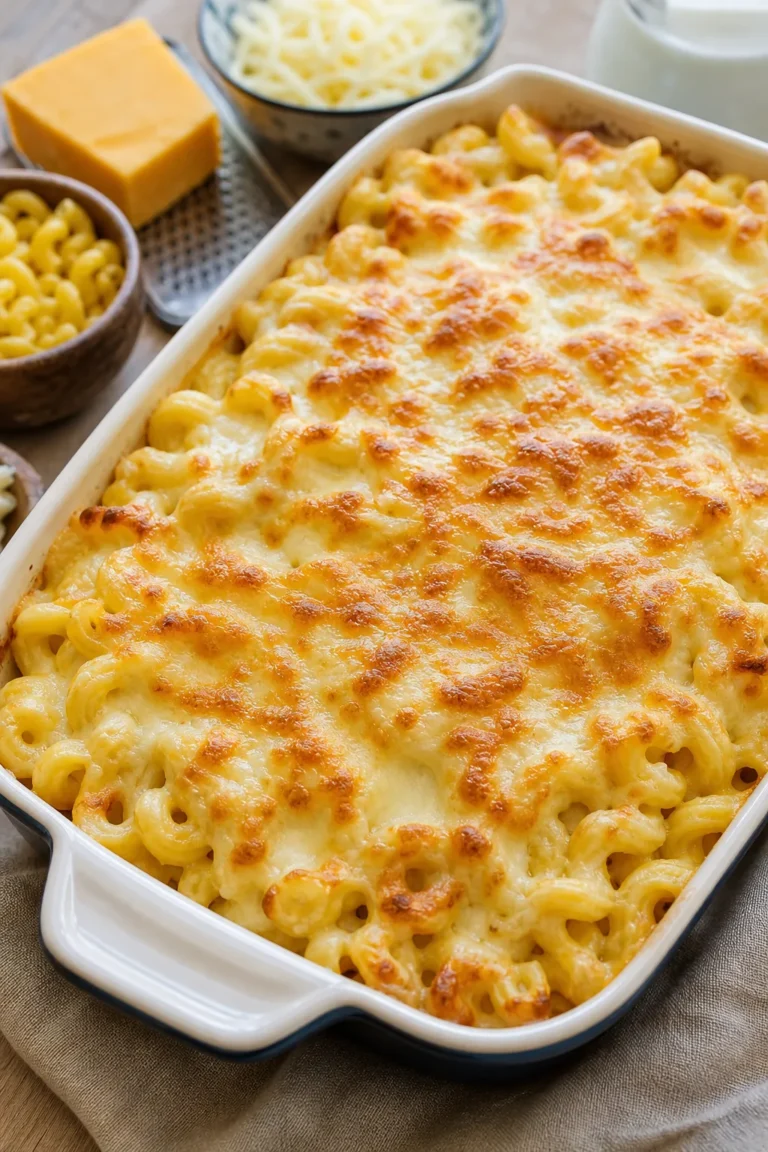
Tini-Style Baked Mac and Cheese (Fırında Peynirli Makarna) Recipe
 45 min
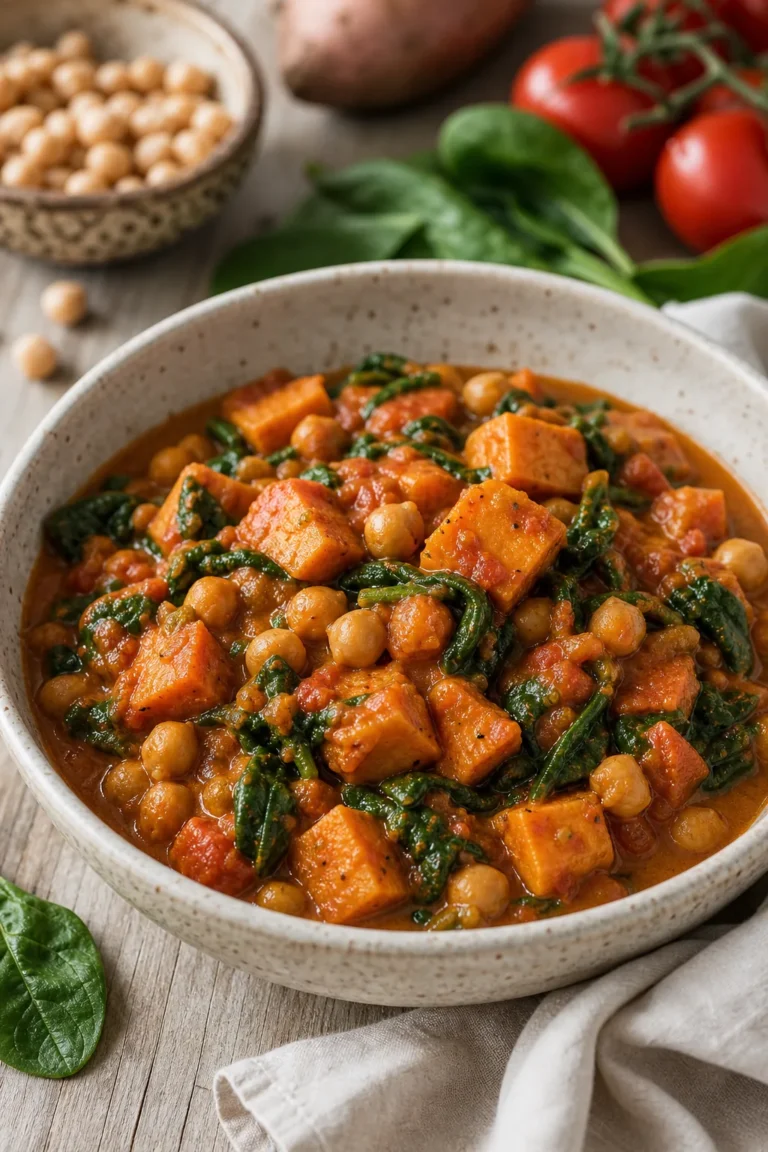
Sweet Potato Peanut Butter Curry Recipe (Tatlı Patatesli Fıstık Ezmeli Köri)
 55 min
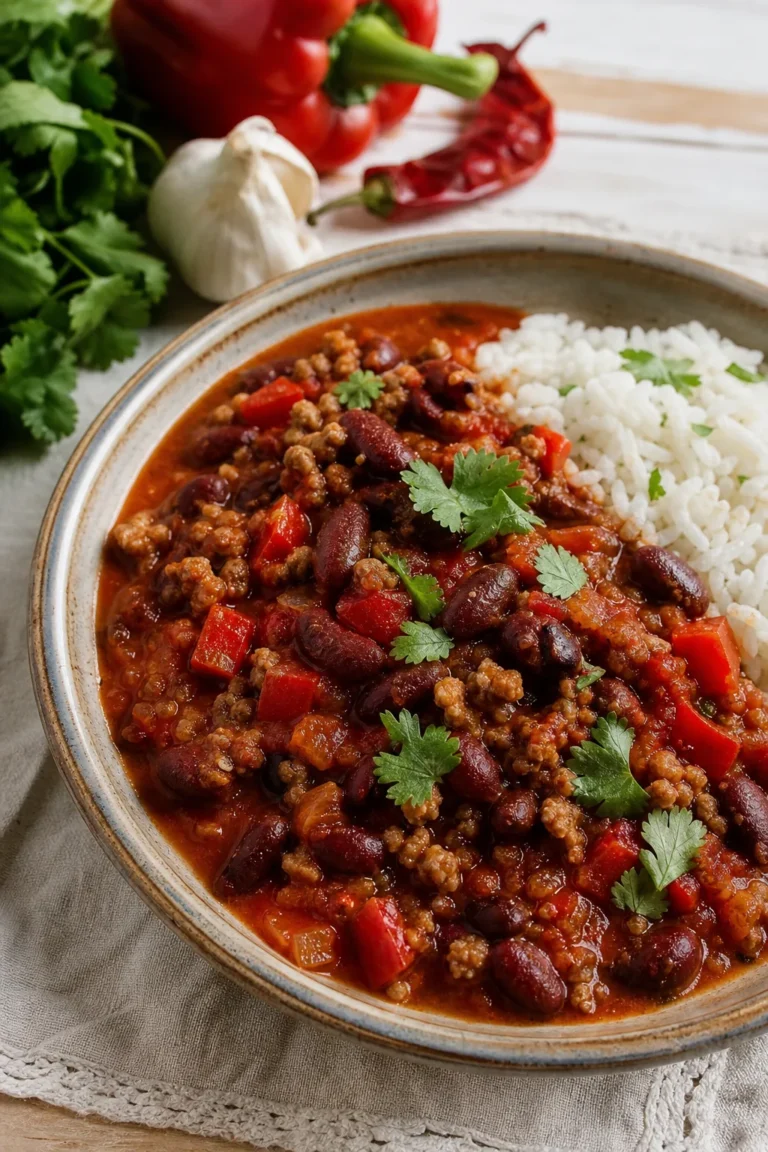
Chili Con Carne Recipe (with Ground Beef and Beans)
 1 hr 40 min