
Bezelyeli Karnabahar (Turkish Cauliflower & Peas Stew) – Grandma’s Recipe
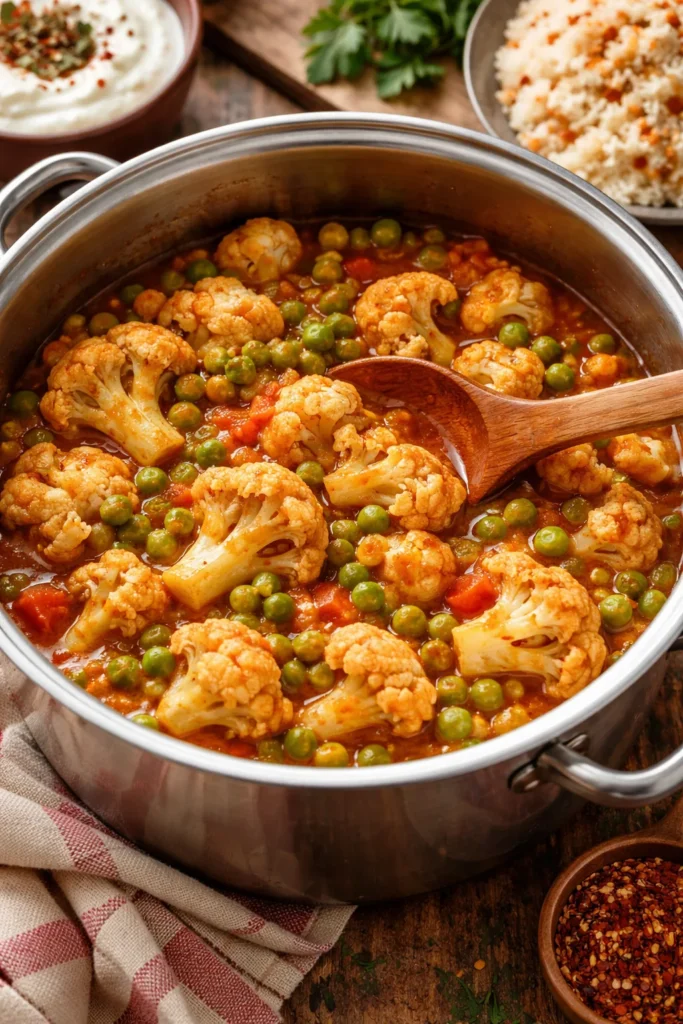
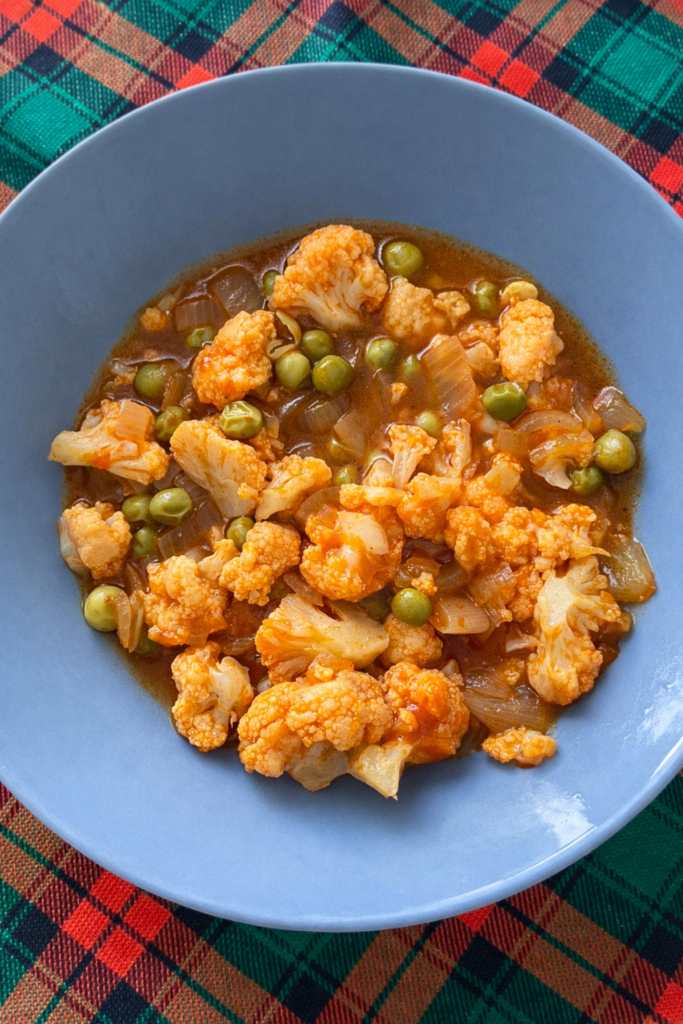
Bezelyeli karnabahar (Turkish cauliflower and peas stew) is one of the loveliest examples of the Anatolian way of cooking: put together a filling meal with whatever you have on hand. Cauliflower is plentiful in the winter months, and peas travel from summer into winter frozen or canned, so this dish became one of the quiet but hearty flavors of the winter table. Vegetable dishes like this, which put the vegetables center stage and satisfy without any meat, were a kitchen staple in the past because they were both economical and wholesome.
Whenever I talk about this dish with my aunt and my grandmother, I’m reminded again how creative the older generation was in the kitchen. For anyone who wonders, “Peas with cauliflower?”, grandmothers would simply bring together what they had and come up with surprisingly delicious meals. Maybe they didn’t have recipe notebooks back then, but they had experience, a good eye and kitchen instinct. Feeding many people with few ingredients and making everyone at the table happy was considered real mastery. Bezelyeli karnabahar carries exactly that spirit: made from almost nothing, simple but heartfelt, and still one of those grandma dishes that makes you say “just one more spoonful.”
Why I Love This Cauliflower and Peas Dish
Bezelyeli karnabahar is a well-balanced vegetable dish, with fiber from both vegetables and plant-based protein from the peas. Cooked together, they make a plate that is satisfying yet feels light, especially when it’s made with olive oil. Homemade, with no additives, and enjoyed in moderation, it’s an easy way to bring more vegetables to your winter table.
This content is for informational purposes only and is not medical advice.
I hope it leaves you with a lovely memory.
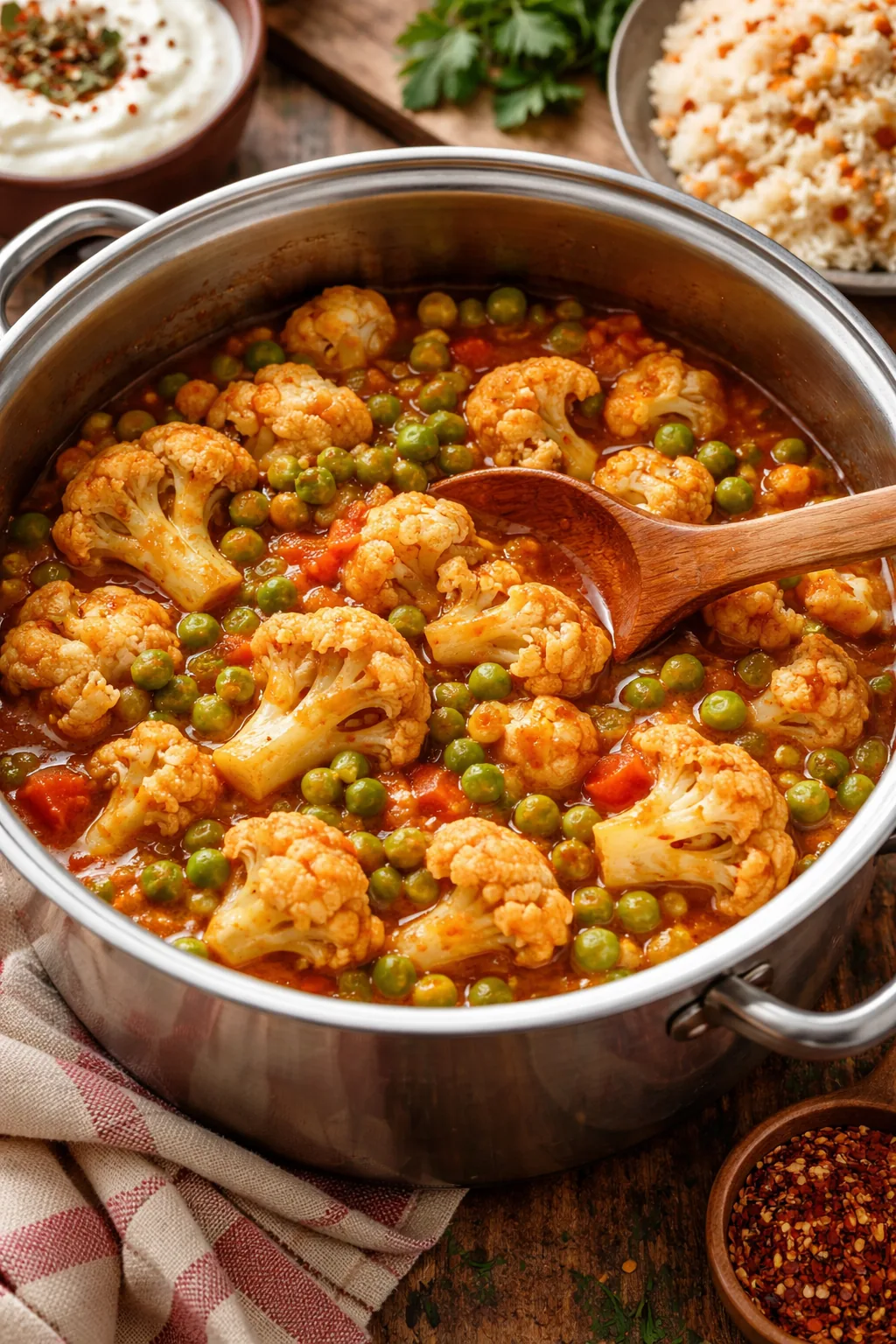
Bezelyeli Karnabahar (Turkish Cauliflower & Peas Stew)
Ingredients
Yapılışı
- Break the cauliflower into florets, wash well and drain. (With water being scarce these days, instead of washing each floret one by one, you can soak the florets in vinegar water and then rinse them, which helps avoid wasting water.) Chop the onion.
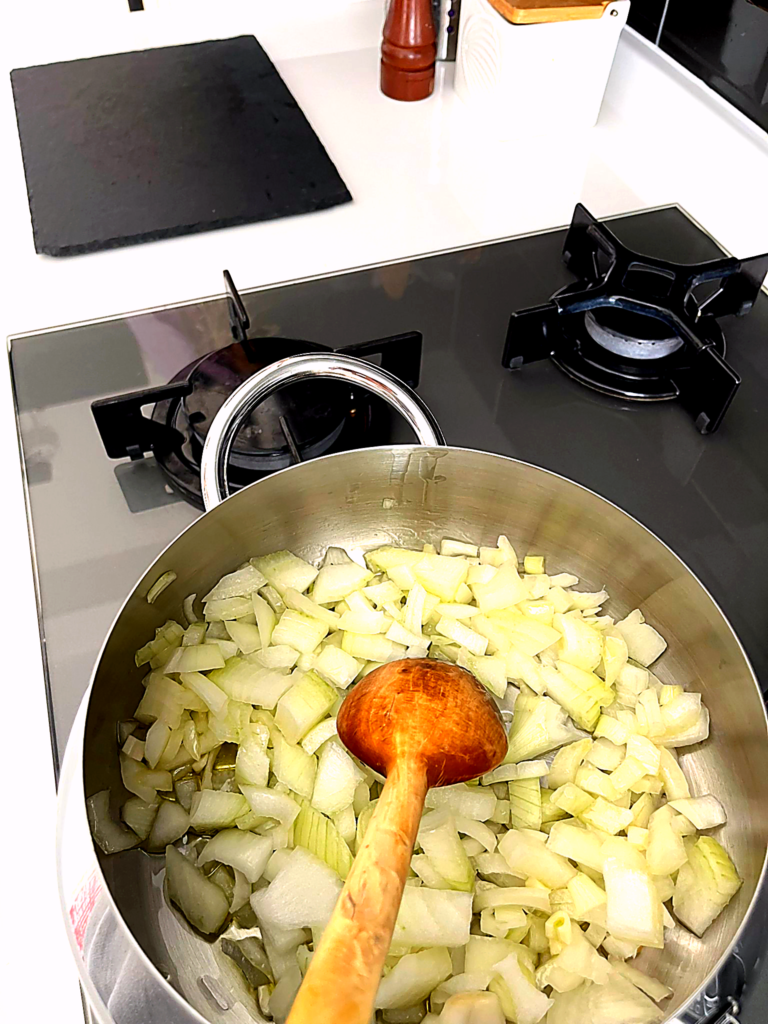
- Add the olive oil to a pot, add the onion and sauté until it turns pink.
- Add the tomato paste and sauté for 1 minute, until fragrant.
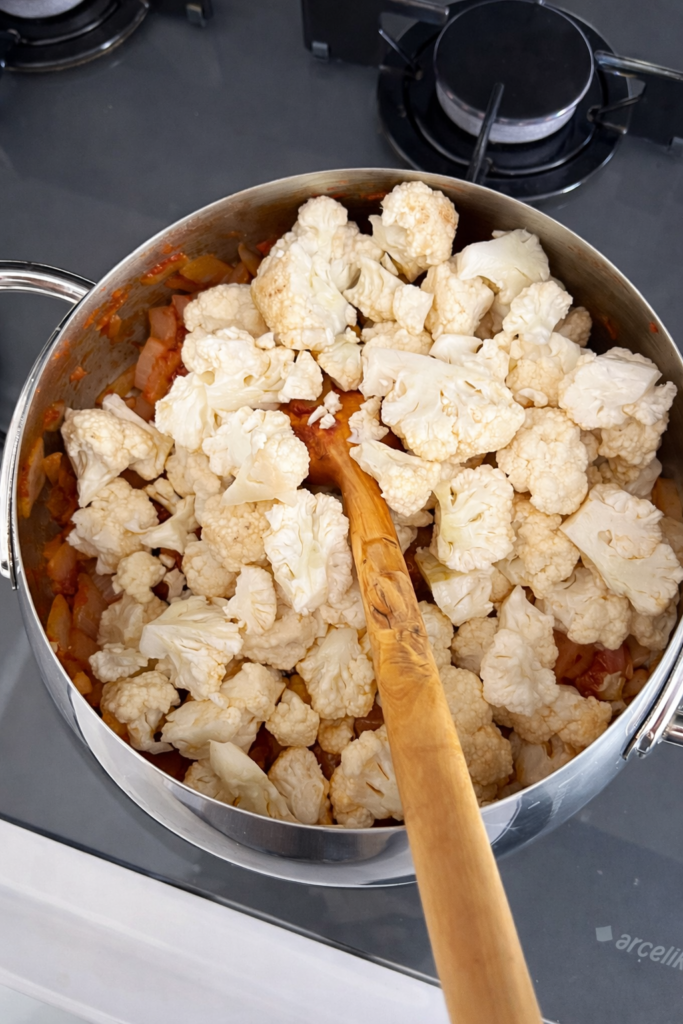
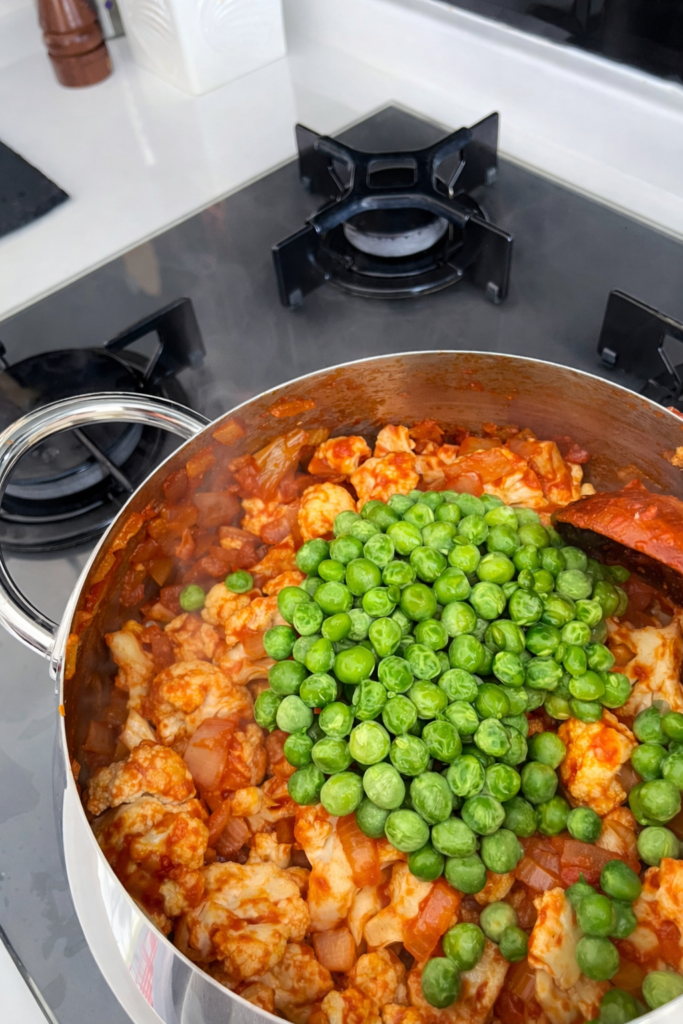
- Add the cauliflower to the pot and stir it in the tomato-paste oil for 2–3 minutes.
- Add the peas, then the salt and black pepper.
- Pour in the hot water, stir, and cover the pot with the lid.
- Once it comes to a boil, reduce the heat and cook for 20–25 minutes, until the cauliflower is tender.
- Turn off the heat and let it rest for 5 minutes. It’s wonderful served with yogurt on the side.
Püf Noktaları
⭐ Have you tried this recipe? Give it a star rating below and tell us how it turned out; your comment will help other readers too.

You May Also Like
- Kıymalı Karnabahar Yemeği Recipe (Turkish Cauliflower Stew with Ground Meat & Potatoes)
- Sebzeli Nohut Yemeği (Turkish Chickpea Stew with Spinach & Mushrooms)
- Kırmızı Mercimekli Ispanak Yemeği (Turkish Red Lentil & Spinach Stew)
Frequently Asked Questions About Bezelyeli Karnabahar
How long does Turkish cauliflower and peas keep in the fridge?
Store it in a covered, airtight container in the fridge and eat it within 2 to 3 days. Let it cool down fairly quickly before refrigerating rather than leaving it out for hours. Reheat it until steaming hot, adding a splash of water if it has thickened.
Can I freeze bezelyeli karnabahar?
You can, but the texture will soften. Cauliflower releases water when thawed, so the florets turn softer and the peas lose some of their firmness. If you do freeze it, cool it completely, use an airtight container, and eat it within about 1 to 2 months. Thaw it in the fridge and reheat gently.
Why did my cauliflower turn mushy in the stew?
Most often it simmered too long or the florets were cut too small. Start checking at the 20-minute mark rather than going straight to 25, and keep the florets fairly large. Remember that the cauliflower keeps softening in the hot pot during the 5-minute rest, so turn off the heat as soon as a fork goes in easily.
What can I use instead of tomato paste in this cauliflower and peas stew?
Grated fresh tomato is the easiest swap. Use 1 medium tomato and cook it with the onion until most of its juice evaporates, before adding the cauliflower. You can also use red pepper paste, which gives a slightly deeper, spicier flavor. If you use fresh tomato, keep an eye on the liquid, because it may need a little less water.
Do I need to thaw frozen peas before adding them to the pot?
No, you can add frozen peas straight from the freezer, since the stew’s 20-25 minutes of simmering will cook them through. Thawing first only makes them softer and more likely to turn mushy. If you want firmer peas, you can follow the trick of boiling them briefly in a small pot of water and adding them as the recipe describes.
Similar recipes
 50 min
Tini-Style Baked Mac and Cheese (Fırında Peynirli Makarna) Recipe
 45 min
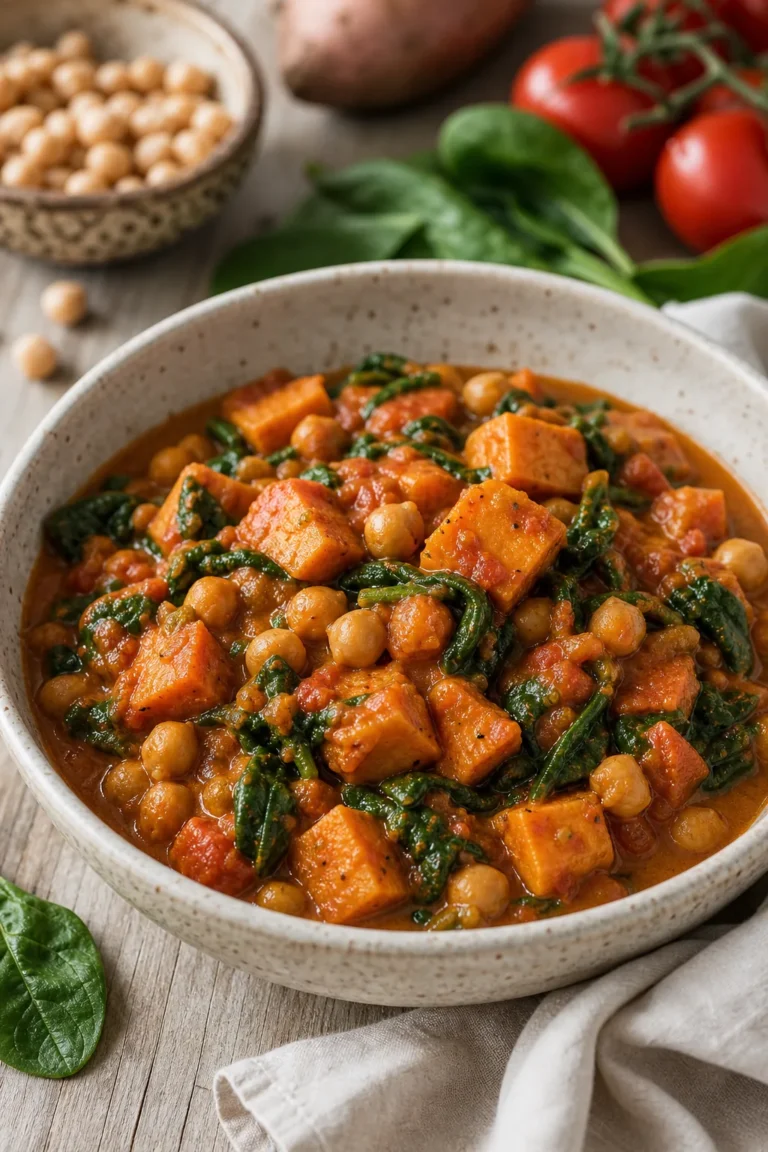
Sweet Potato Peanut Butter Curry Recipe (Tatlı Patatesli Fıstık Ezmeli Köri)
 55 min
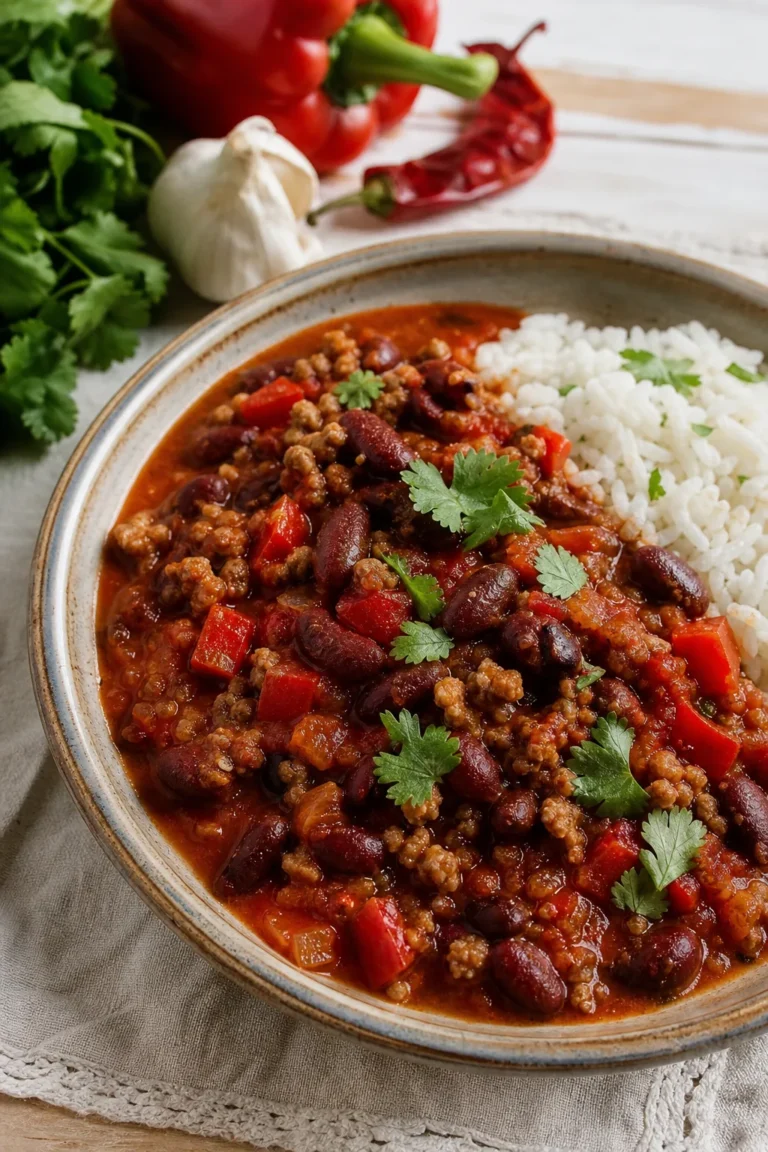
Chili Con Carne Recipe (with Ground Beef and Beans)
 1 hr 40 min