
Mandalinalı Pavlova (Mandarin Pavlova): A Dessert for the Winter Table
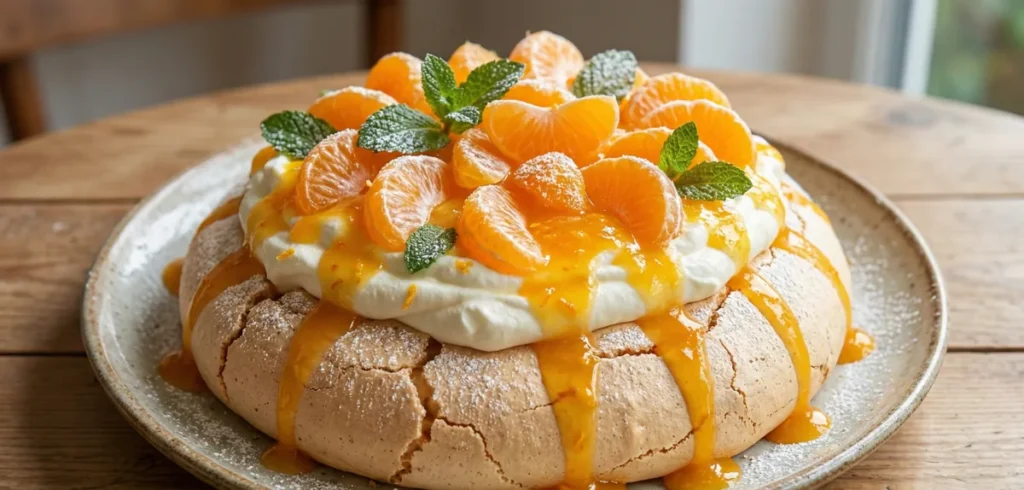
Pavlova is an iconic dessert whose roots go back to the early 20th century, and Australia and New Zealand still have a friendly debate over who it belongs to. It is generally said to be named after the famous Russian ballerina Anna Pavlova, who toured both countries in the 1920s. The light meringue, crisp on the outside and soft on the inside, is said to resemble the ballerina’s graceful tutu. Classic pavlova is usually made with fruits like strawberries and kiwi, but over time it has been reinterpreted with different fruits depending on the season and the region.
Mandarin pavlova is a modern take on this tradition, adapted for winter. The citrus aroma balances the sweetness of the meringue and gives a fresher result. That is why it is especially popular in the winter months, on New Year’s tables and at special celebrations. Light and elegant, it works as a finale that gives you room to breathe among all the rich, heavy desserts. It is one of the loveliest examples of adapting a classic recipe to the spirit of the season.
Why I Love Mandarin Pavlova;
Compared with many other desserts, mandarin pavlova feels lighter, because its base is a fat-free meringue. The fresh citrus aroma of the mandarin balances the sweetness, and when you go easy on the cream, the dessert is satisfying without feeling heavy. Served in a sensible portion, it is a lovely choice for special days.
Wishing you a lovely memory with every bite.
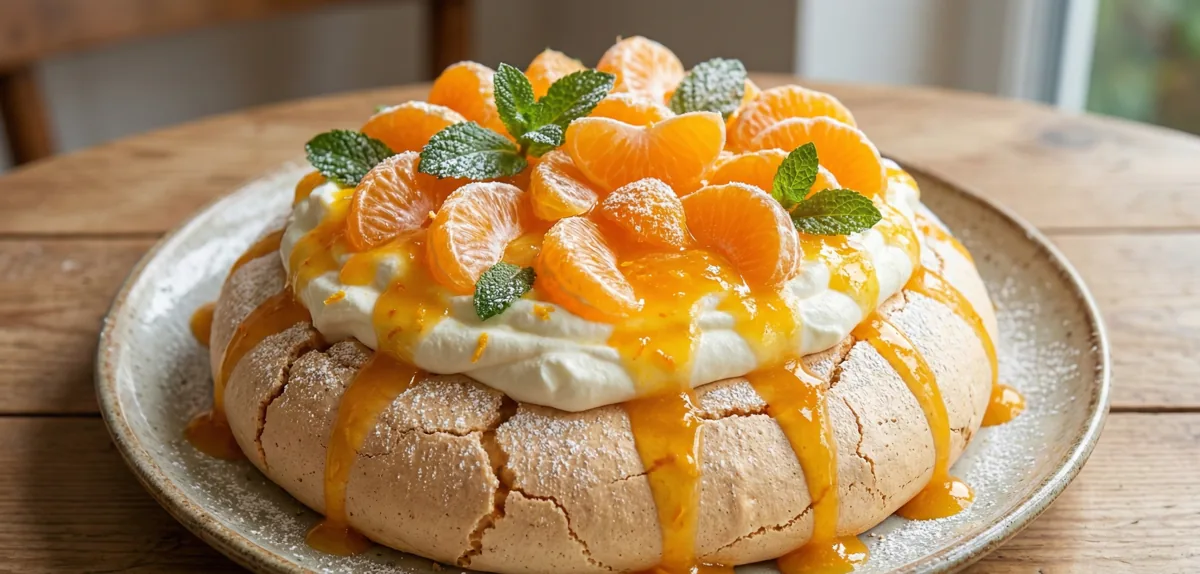
Mandalinalı Pavlova (Mandarin Pavlova)
Ingredients
Yapılışı
- Preheat the oven to 120°C (about 250°F), fan off. Line a baking tray with parchment paper.
- In a clean, dry bowl, whisk the egg whites until foamy.
- Add the sugar a spoonful at a time, continuing to whisk until the meringue is glossy and holds stiff peaks.
- Add the cornstarch, vinegar (or lemon juice) and vanillin, and gently fold in with a spatula.
- Spoon the mixture into a round in the center of the parchment, leaving a slight dip in the middle for the cream.
- Bake for 1 hour. When the time is up, turn off the oven, crack the door open and let the pavlova rest inside for 1–2 hours.
- For the cream, whip the cold cream (with powdered sugar, if using) until thickened.
- Spread the cream over the completely cooled meringue.
- Arrange the mandarin slices on top and drizzle with mandarin juice. Add the zest and garnishes if you like.
- Assemble just before serving, and slice carefully so you don’t spoil its delicate texture.
Püf Noktaları
⭐ Have you tried this recipe? Rate it with stars below and tell us how it turned out; your comment helps other readers too.
You May Also Like
- Közlenmiş Patlıcan & Kapya Biber Mezesi (Roasted Eggplant & Red Pepper Yogurt Meze) for Your New Year’s Table
- Humus (Turkish Hummus) That Belongs on Your New Year’s Eve Table
- Orange Cream Mini Tartlets (Portakallı Tartolet): The Perfect Winter Dessert
Frequently Asked Questions About Mandalinalı Pavlova
Why is my mandarin pavlova weeping syrup or turning sticky and chewy?
Weeping usually means the sugar didn’t fully dissolve or the meringue was exposed to moisture. Add the sugar one spoonful at a time and whisk until the meringue is glossy and smooth when you rub a little between your fingers. Also use a completely clean, dry bowl, and let the pavlova cool slowly in the turned-off oven rather than in a humid kitchen.
Can I make the pavlova base ahead of time?
Yes, you can bake the meringue base one day ahead. Once it has cooled completely, keep it uncovered in the turned-off oven or in an airtight container at room temperature, away from steam and humidity. Do not refrigerate it, as the moisture will soften it. Add the cream and mandarins only just before serving.
How do I stop the mandarin topping from making the pavlova soggy?
Pat the mandarin slices dry on paper towels and remove as much of the white pith and loose juice as you can. Spread the cream over the fully cooled meringue, then add the fruit and drizzle the juice right before serving. If it sits for more than an hour or so, the meringue will begin to soften.
What can I use instead of vinegar or cornstarch in pavlova?
Lemon juice works in place of white vinegar, as the recipe already notes, and about 1/4 teaspoon of cream of tartar is another option. Cornstarch helps give the pavlova its soft, marshmallowy center, so it is best not to skip it. If you have no vanillin, a little vanilla extract works instead.
Can I use canned mandarins or other fruit for mandarin pavlova?
Fresh mandarins give the brightest flavor, but well-drained canned mandarin segments can work in a pinch. Pat them very dry, since extra syrup will make the cream runny and the meringue soggy. Clementines, oranges, pomegranate seeds or kiwi also suit this dessert if you want a variation.
Similar recipes
 9 hr 45 min
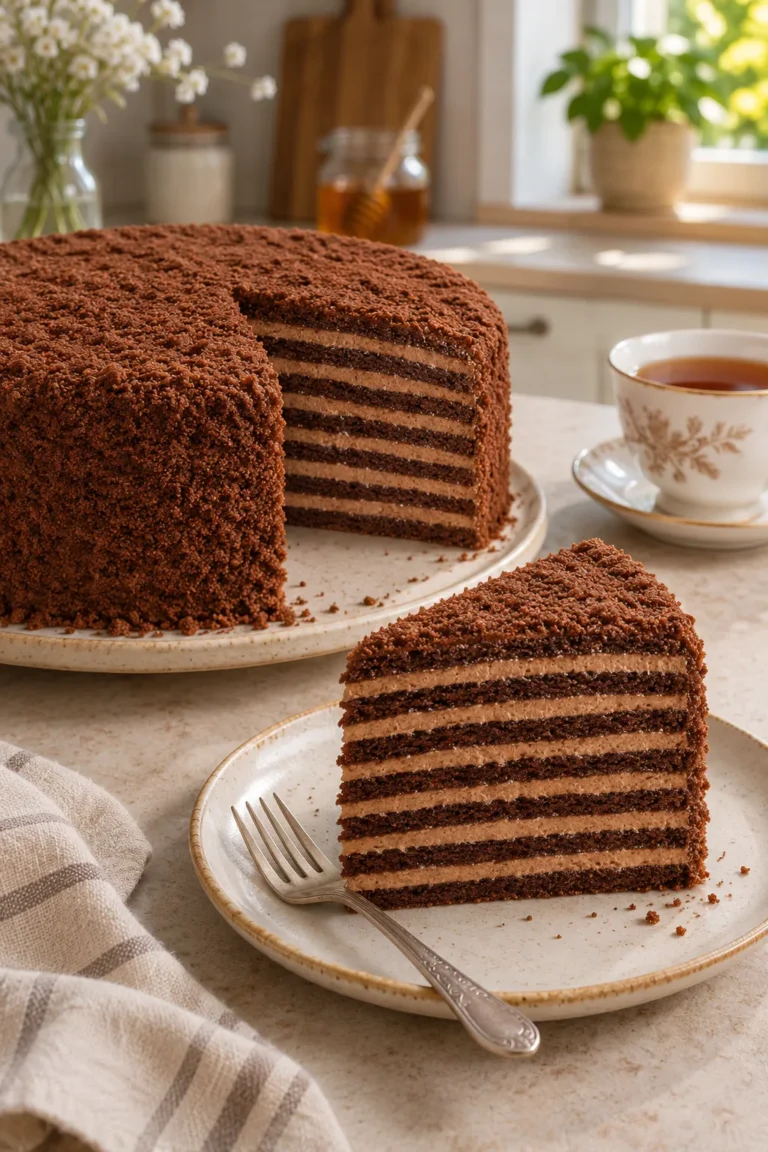
Honey Cocoa Spartak Pasta (Turkish Layered Cake, Homemade)
 1 hr 30 min
Volkan Kek (Turkish Chocolate Volcano Cake with Molten Chocolate Sauce)
 1 hr 50 min
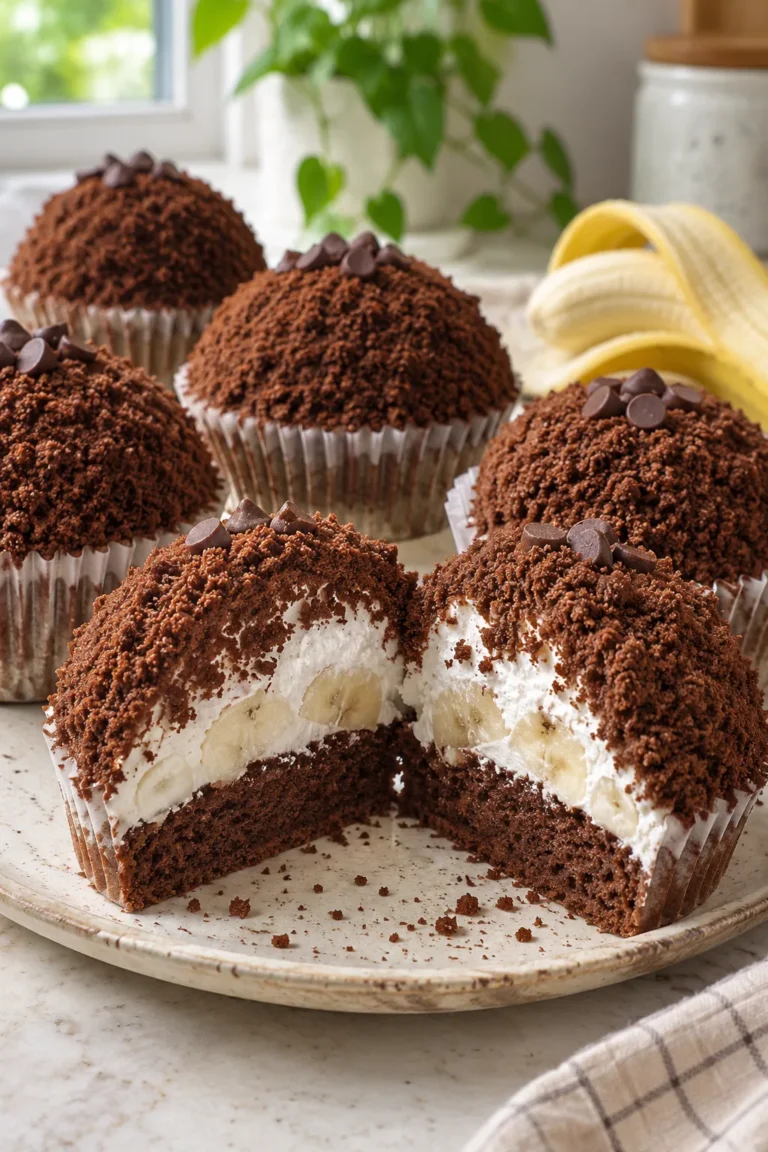
Mini Köstebek Pasta (Individual Turkish Mole Cakes with Banana & Cream)
 43 min