
Boşnak Mantısı (Bosnian-Style Baked Manti) from the Rumeli Kitchen
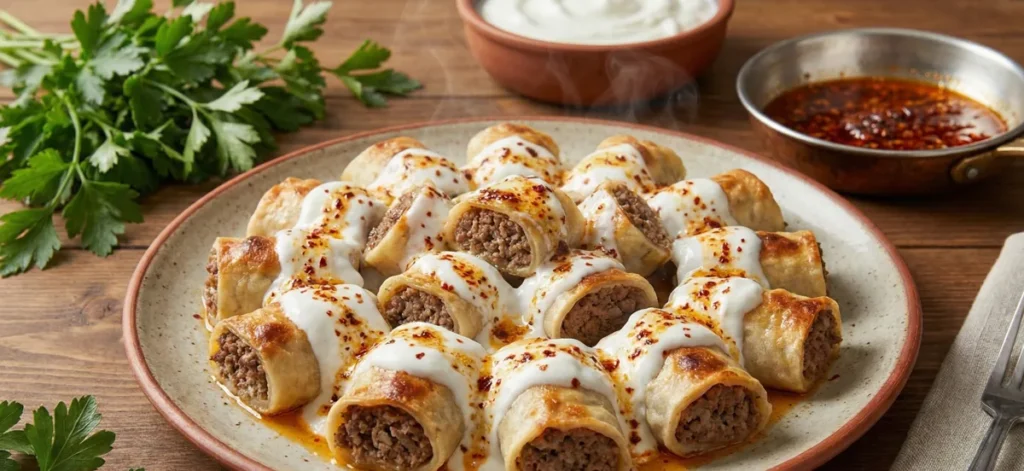
Boşnak mantısı has its roots in the Balkans, and especially in Bosnian cuisine, and is one of the regional interpretations of the Ottoman cooking tradition. The pastry culture that spread across the Balkans took shape with local habits and available ingredients, and Boşnak mantısı is one of its most characteristic examples. Unlike classic manti, which is pinched closed one by one, this version uses thinly rolled dough that is rolled up and sliced. It is popular for being practical and well suited to big tables. That is why it ranks among the “effortless but impressive” dishes of the home kitchen.
Traditionally, Boşnak mantısı is made for holidays, for days when guests are visiting, and for large family tables. In Bosnia, it is said to be prepared especially in the winter months, baked slowly in home ovens, and always served with yogurt and sometimes a garlicky sauce. Since it is a dough-based dish, it can be made at any time of year, but it is more often chosen in cold weather. In places with a large population of Balkan migrants, such as Küçükköy in Ayvalık, keeping this manti alive shows that the recipe is more than a dish. It is a memory and a cultural bond passed down from generation to generation.
About Boşnak Mantısı and Nutrition;
Because Boşnak mantısı is made with dough, ground meat and yogurt, it is a hearty and filling dish. Since the dough is made with white flour and the manti is baked with butter, it is also rich and fairly high in calories and carbohydrates, so it is worth keeping an eye on portion size. Served with yogurt and a big green salad, it makes a more balanced meal that is still very enjoyable.
This content is for general information only and is not medical advice.
I hope it leaves you with a lovely memory!
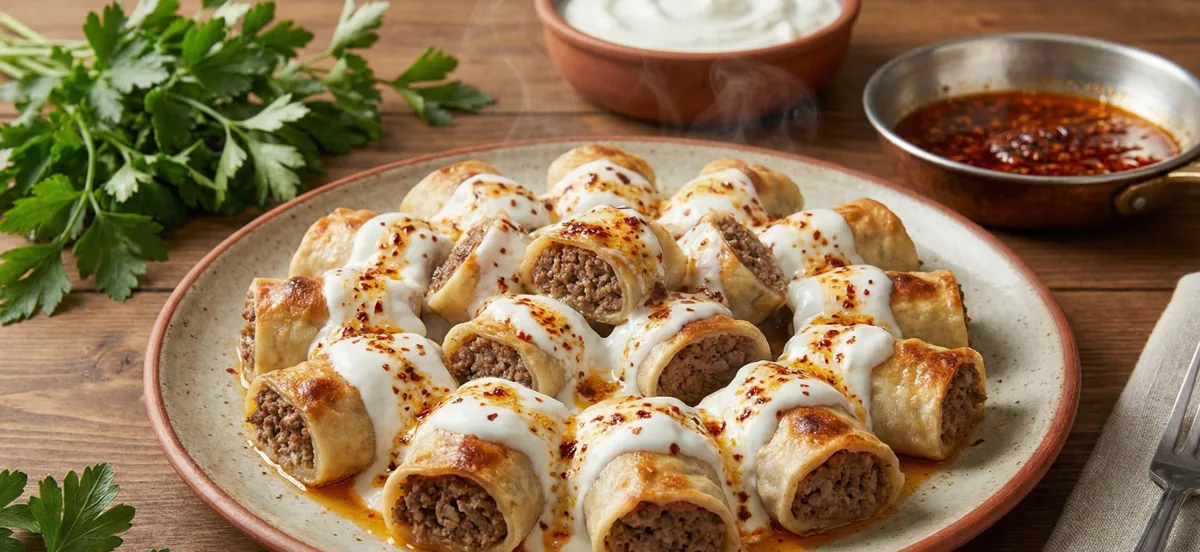
Boşnak Mantısı (Bosnian-Style Baked Manti) from the Rumeli Kitchen
Ingredients
Yapılışı
- Put 4 cups of flour and 1 teaspoon of salt in a mixing bowl and stir lightly.
- Make a well in the center of the flour. Slowly pour 1.5 cups of lukewarm water into the well.
- Start kneading, pulling in flour from the edges. Knead well for about 10 minutes, until you have a smooth, elastic dough that doesn’t stick to your hands and is about as soft as an earlobe. (Well-kneaded dough is easier to roll out.)
- Gather the dough into a ball. Cover it with a damp cloth or plastic wrap so it doesn’t dry out, and let it rest at room temperature for at least 30-40 minutes. (This step is very important so the dough rolls out easily.)
- Prepare the filling while the dough rests.
- Put 300-350 g of ground meat in a mixing bowl.
- Add 1 grated onion that you have lightly squeezed to get rid of its sharp juice.
- Add 1 teaspoon of salt and 1/2 teaspoon of black pepper as well.
- Mix everything together well with your hands. (The filling is used raw.)
- For easier handling, divide the rested dough into 2 or 3 equal balls. Keep the ones you aren’t using covered.
- Lightly flour your work surface. Using a rolling pin, roll out the first ball into a large, round sheet as thin as you can. (The signature of Boşnak mantısı is thin dough, so roll it as thin as you can without tearing it.)
- Dot some of the meat filling all over the sheet and spread it with your hands into an even, thin layer.
- Starting from one edge, roll the sheet up into a firm roll that isn’t too loose.
- Cut the long roll with a knife into pieces about 2-3 cm (about 1 inch, roughly two fingers) wide.
- Lightly grease a round or rectangular baking pan. Arrange the pieces snugly in the pan, side by side and touching each other, with the cut sides (the meat filling) facing up.
- Repeat with the remaining balls of dough until the pan is full.
- Preheat your oven to 190°C (375°F), using top and bottom heat.
- Melt the 3-4 tablespoons of butter set aside for the top (skim off the foam for a clearer butter). With a brush or spoon, spread the melted butter over the manti in the pan, covering every spot.
- Put the pan in the hot oven. Bake for about 35-45 minutes, until the tops and bottoms are nicely golden.
- When the manti are deep golden, take the pan out of the oven. Right away, pour 1/2 cup (100 ml) of hot water (or hot broth for more flavor) over them so it sizzles, and spread it all around the pan.
- Return the pan to the oven and bake for another 5-10 minutes, until the liquid is absorbed and the manti soften slightly.
- Let the manti rest for about 5 minutes after taking them out of the oven. Garlic yogurt goes very well on top.
Püf Noktaları
⭐ Have you tried this recipe? Give it a star rating below and tell us how it turned out. Your comment helps other readers too.
You May Also Like
- From Childhood to the Table: Mom’s Homemade Manti (Turkish Dumplings with Garlic Yogurt)
- Ev Pidesi (Turkish Homemade Meat Pide): Foolproof Dough and a Wonderful Aroma
- Homemade Lahmacun (Turkish Thin-Crust Meat Flatbread) with Plenty of Topping
Frequently Asked Questions About Boşnak Mantısı
Can I assemble this Boşnak mantısı recipe ahead of time and bake it later?
Yes, you can shape and arrange the pieces in the pan a few hours ahead. Cover the pan tightly and keep it in the fridge, then brush with the melted butter just before baking. Because the filling is raw meat, don’t leave the pan at room temperature for long. Since the pan will be cold, you may need a few extra minutes in the oven.
Can you freeze Boşnak mantısı before baking?
Yes, freezing the unbaked, shaped pieces works well. Freeze them on a tray until firm, then move them to a freezer bag, where they keep for about 2 months. Arrange them in the pan while still frozen, add the butter, and bake a little longer than the recipe says. Add the hot water only once the tops are deep golden.
How long do leftover Boşnak mantısı keep, and how do I reheat them?
Cool the leftovers quickly, then keep them covered in the fridge for up to 3 days. Reheat them in a covered pan in a 160-170°C oven until hot all the way through, adding a spoonful of hot water or broth to bring back the softness. Serve with fresh garlic yogurt, and don’t store the yogurt on top of the manti.
Can I use chicken or turkey mince instead of beef in Boşnak mantısı?
Yes, ground chicken or turkey works, but it is leaner, so the filling can turn out drier. Don’t squeeze the grated onion too hard, so a little of its moisture stays in the mixture. Spread the filling in a thin, even layer, and don’t skip the hot water or broth at the end. Poultry should be cooked through completely.
Why does my dough tear while I roll it thin for Boşnak mantısı?
Tearing usually means the dough is too dry, too stiff, or has not rested long enough. Make sure you knead it until smooth and elastic, and give it the full 30-40 minutes under a damp cloth. Roll one ball at a time while the others stay covered, and dust the surface with only a little flour. Small tears can be pinched back together or covered with the filling.
Similar recipes
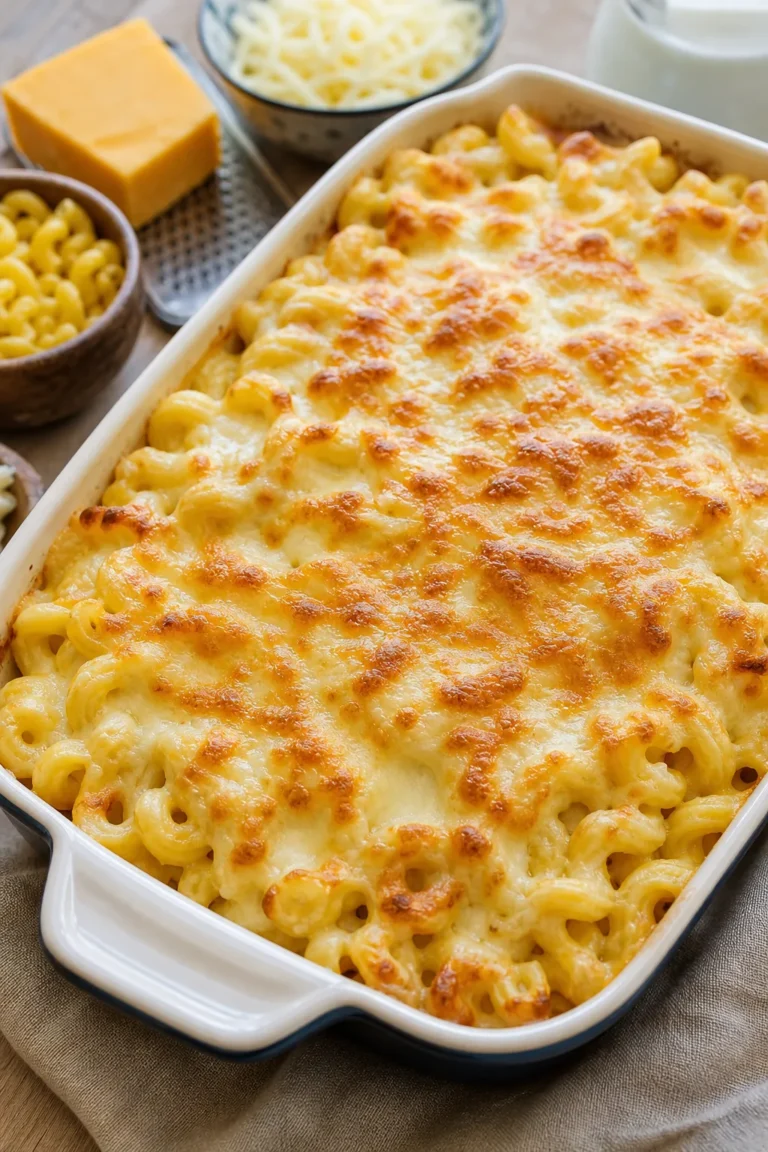 50 min
Tini-Style Baked Mac and Cheese (Fırında Peynirli Makarna) Recipe
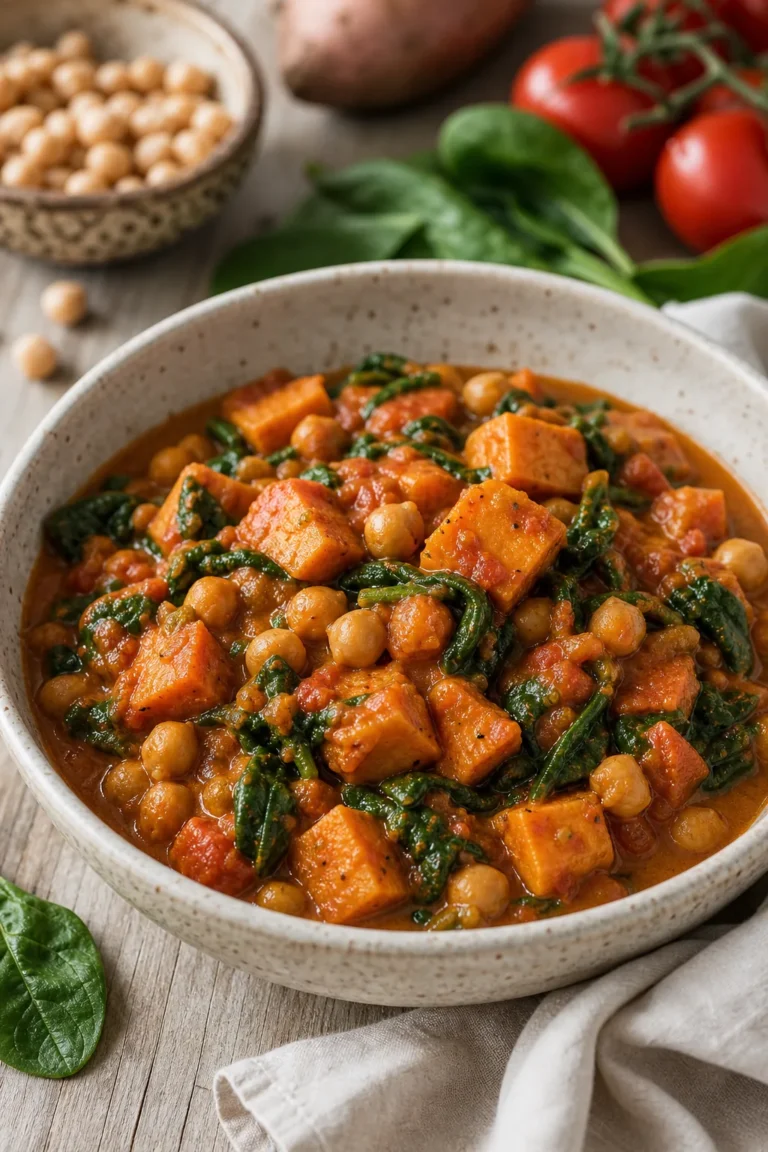 45 min
Sweet Potato Peanut Butter Curry Recipe (Tatlı Patatesli Fıstık Ezmeli Köri)
 55 min
Chili Con Carne Recipe (with Ground Beef and Beans)
 1 hr 40 min