
No Heat, Just Flavor: Olio Santo (Acı Yağ, Chili-Infused Olive Oil) in Its Purest Form
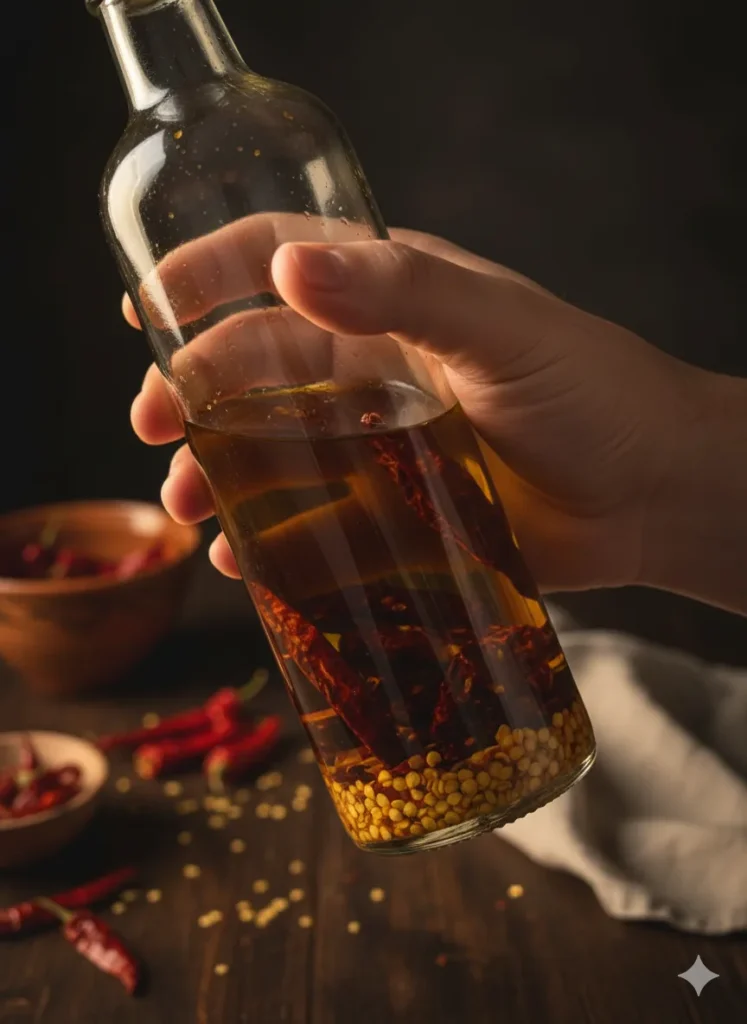
About Olio Santo (Acı Yağ)
Acı yağ, or chili oil, is a flavor tradition that comes from the heart of Italian cuisine, especially the lively, sun-soaked south of Italy. Its roots were shaped when chili peppers traveled from the New World to Europe, but it was the meeting of chili and olive oil that turned it into a star in its own right. It’s no accident that it came to be called “Olio Santo,” or “Holy Oil.” This red elixir holds such a special place on Italian tables that it feels like a blessed touch that adds soul to a dish. Taking everything from pizza to pasta, soups to salads up a level, this oil is a simple but effective flavor heritage passed down through generations. Steeped patiently at home, this aromatic oil is not just a condiment; it’s also a warm reflection of the passion Italians have for their food.
Good to Know About Chili Oil
The heat in this oil comes from capsaicin, the compound found in chili peppers, and the base is extra virgin olive oil, which gives it a rich, fruity character.
⚠️ A Note on Consumption: Chili oil is high in calories, and because of its capsaicin content, eating too much of it may upset sensitive stomachs or cause acid reflux. That’s why I suggest using it carefully and in moderation, as a flavor booster.
This content is for informational purposes only and is not medical advice.
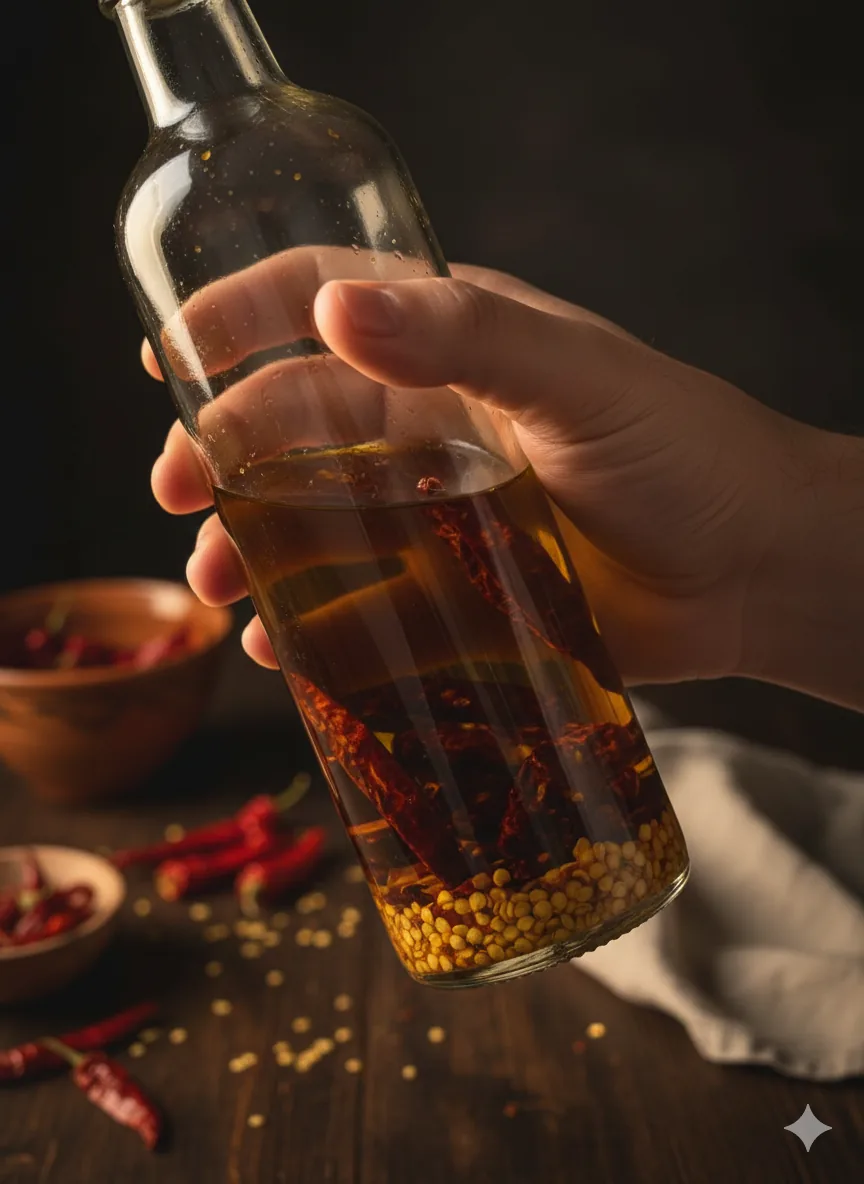
No Heat, Just Flavor: Olio Santo (Acı Yağ, Chili-Infused Olive Oil) in Its Purest Form
Ingredients
Yapılışı
- Wash the bottle or jar and let it dry completely; the peppers and all equipment must be completely dry.
- Break the dried chili peppers into large pieces or crumble them by hand.
- Put the peppers in the bottle, pour the olive oil over them, and close the lid tightly.
- Let it infuse in a cool, dark place for about a month, shaking it from time to time.
- Drizzle over pizza, pasta, soups, and salads.
Püf Noktaları
⭐ Did you try this recipe? Rate it with stars below and tell us how it turned out; your comment helps other readers too.
Tips for Making Chili Oil
It’s very important that the peppers and the jar are completely dry; water causes the oil to spoil. Scald the jar with boiling water and let it dry thoroughly before using it.
The oil gets hotter the longer it sits. If you prefer it milder, you can strain out the peppers after 1 week and store the oil separately.
Serving and Storage Suggestions
Drizzle a few drops of the chili oil over pizza, pasta, lentil soup, and grilled vegetables. Mixing it into olive oil for dipping bread also makes a lovely meze.
Store it in a tightly sealed glass bottle in a cool, dark cupboard. If you notice any change in its smell or appearance, don’t use it.
You May Also Like
- Dört Peynirli Pizza (4 Cheese Pizza) with Olio Santo Chili Oil
- Homemade Garlic Mayonnaise (Sarımsaklı Mayonez) with a Wonderful Aroma
- Zeytin Ezmesi (Turkish Olive Spread): The Blessing of Olives, Mashed
Frequently Asked Questions About Olio Santo
Can I use fresh chili peppers in this Olio Santo recipe?
No, stick with dried chili peppers. Fresh peppers hold water, and moisture in oil raises the risk of spoilage and botulism, especially since this recipe uses no heat. If you only have fresh peppers, dry them completely first, until they are brittle and snap easily.
How long does homemade Olio Santo last, and should I keep it in the fridge?
For safety, plan to use it within about 2 to 3 months. Keep it in a tightly sealed glass bottle in a cool, dark cupboard, as the recipe suggests. Refrigerating can make the oil cloudy or thick, which goes away at room temperature. If the smell or appearance changes, throw it out.
Why is my Olio Santo cloudy, and is it still safe to use?
Slight cloudiness is usually harmless, because olive oil turns hazy when it gets cold and clears as it warms up. However, if you see water droplets, bubbles, mold, or notice a sour or off smell, discard the whole bottle. These signs usually mean moisture got in.
My Olio Santo turned out too hot. How can I tone it down?
Strain out the peppers and dilute the oil with plain extra virgin olive oil. The oil gets hotter the longer the peppers sit in it, so next time strain them after about 1 week for a milder result. You can also use just a few drops per serving.
Can I make Olio Santo faster than 30 days?
This olio santo recipe is a no-heat infusion, so the flavor and heat build slowly over about a month. You can taste a little after 1 week, and it will be milder at that stage. I would not heat the oil to speed things up, since the recipe and its storage advice are built around a cold infusion.
Similar recipes
 55 min
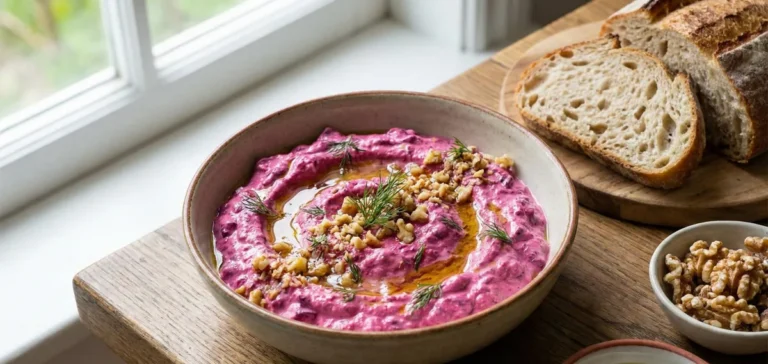
Pembe Sultan (Turkish Beet & Yogurt Salad with Garlic and Walnuts)
 1 hr 15 min
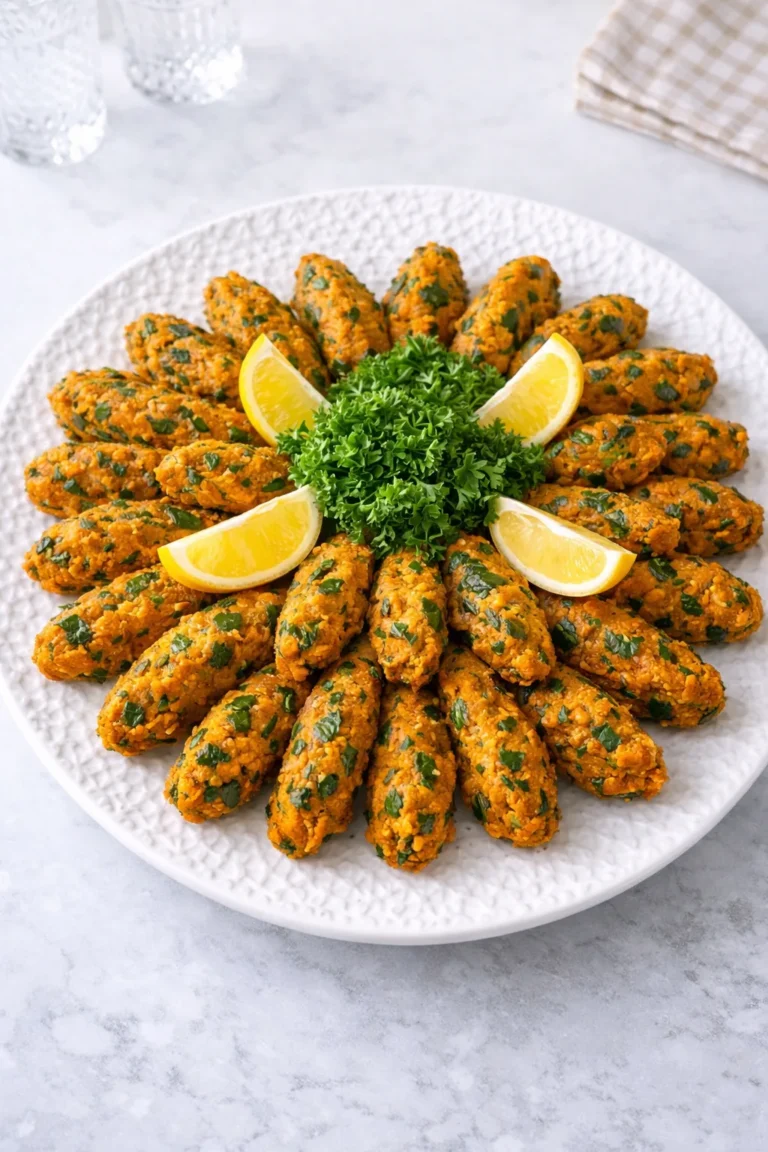
Mercimek Köftesi (Turkish Red Lentil & Bulgur Patties) for Tea Time
 35 min
Tavuklu Şehriye Salatası (Turkish Chicken Orzo Salad) Recipe | Hearty & Easy
 30 min