
Şekerpare (Turkish Syrup Cookies) That Make Everyone Ask “Is This From a Bakery?”
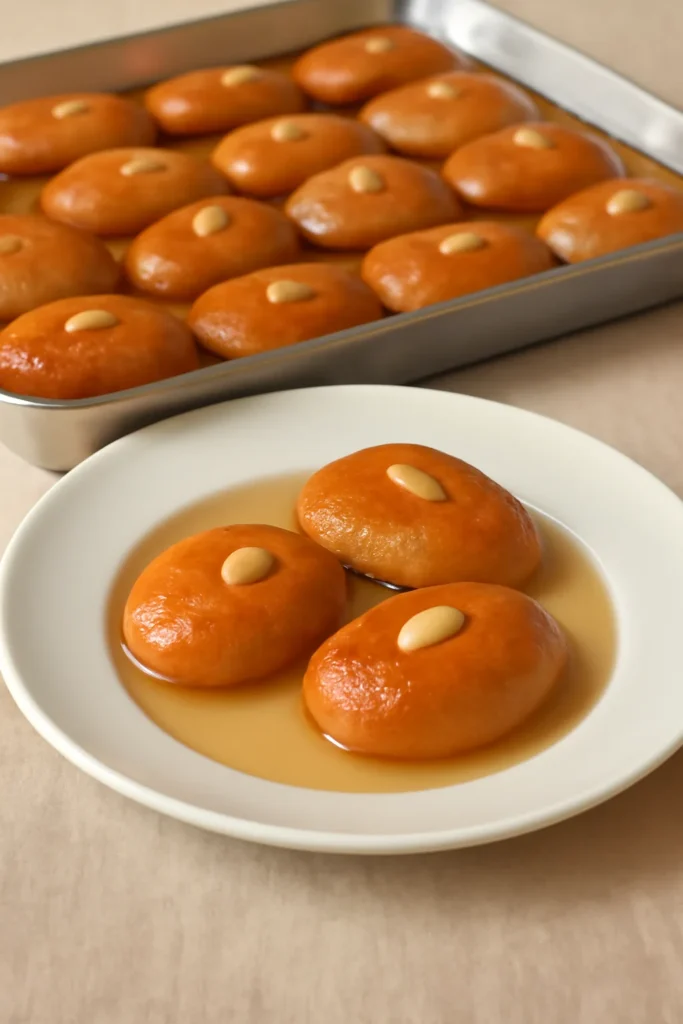
Little semolina-and-butter cookie balls meeting a syrup is part of a long tradition that reaches from Ottoman cuisine to today. Sweets made with flour and semolina and finished in syrup were much loved in palace kitchens and grand households. Over time they became simpler and moved into home kitchens, and recipes like “şekerpare” emerged. Even the name is sweet: roughly “a piece of sugar.” In many homes it became one of those classics baked tray after tray for holidays, holy nights (kandil), and guests. Sometimes it’s topped with pistachios, sometimes with almonds, but it always waits in the middle of the table next to a glass of hot tea.
Today şekerpare turns up everywhere, from “gold day” gatherings to family tea time, from holiday visits to those “let me make a nice dessert tonight” moments. Some people like the bakery style, smaller and shiny. Others like the homemade style, a little bigger and extra soft. The buttery smell coming out of the oven, the soft sizzle when the syrup goes over, and the “shall we try one while it’s warm?” looks around the tray sum up the whole culture of şekerpare. It’s more than a dessert. It’s one of the most familiar symbols of being at home, of conversations that run long, and of small joys that go so well with tea. 💛
Why I Love Şekerpare;
Made with butter, egg, semolina, and flour, şekerpare is rich and satisfying. 🧡 One or two with your tea is enough to settle a sweet craving, and it gives you that “ah, I just had something lovely and homemade” feeling. But the best thing about it, I think, is the happiness it brings to the table. Whether you’re sharing it with guests, with someone from your family, or quietly eating it on your own, şekerpare is always a little “I treated myself” moment.
This information is for general purposes only and is not medical advice.
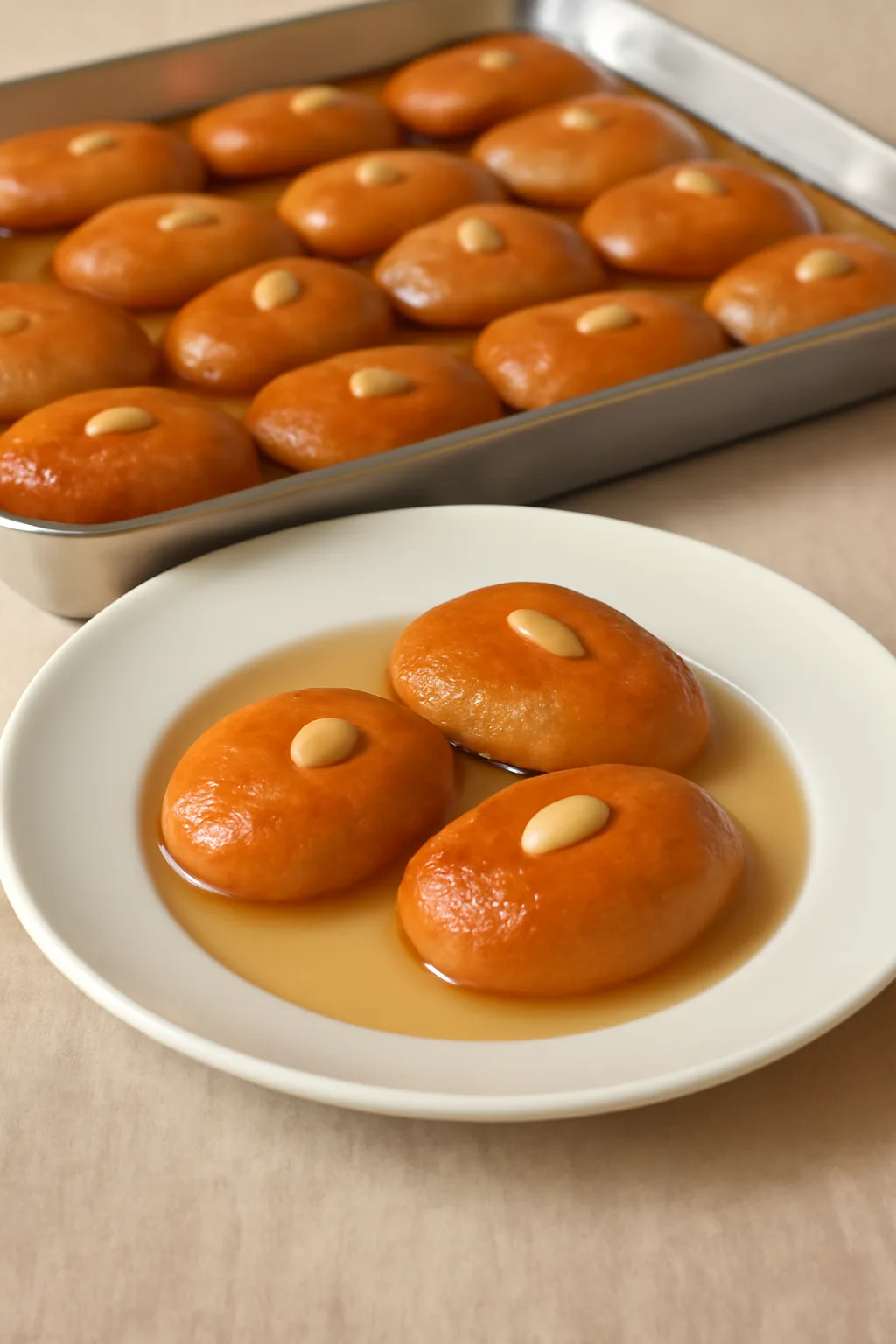
Şekerpare (Turkish Semolina Cookies in Syrup)
Ingredients
Yapılışı
- Add 3 cups sugar and 3.5 cups water to a pot.
- Stir, place over the heat, and bring to a boil.
- Once it starts boiling, lower the heat a little and simmer gently for 8–10 minutes.
- Toward the end, add the juice of half a lemon and boil for 1–2 more minutes.
- Remove the syrup from the heat and let it cool to room temperature.
- Important: the syrup should be cold when the şekerpare comes out of the oven hot or warm.
- Put the room-temperature butter in a mixing bowl.
- Add the oil, powdered sugar, and egg (if you like, separate the yolk, add only the white to the dough, and brush the yolk on top later).
- Mix well until lightly creamy.
- Then add the semolina, vanillin, and baking powder.
- Add the flour gradually, a little at a time, and knead until you have a soft, shapeable dough that doesn’t stick to your hands.
- The dough should be neither stiff nor too runny. It should feel like a soft cookie dough.
- Line a baking tray with parchment paper.
- Pinch off pieces of dough a little smaller than a walnut.
- Roll each piece in your palm, then press lightly to make a flat round shape.
- Press one almond, hazelnut, or pistachio into the center of each one.
- Brush the reserved egg yolk over the tops.
- Preheat the oven to 180°C (350°F), conventional setting with top and bottom heat.
- Place the tray on the middle rack.
- Bake for about 25–30 minutes, until the tops are golden and the bottoms are lightly pink.
- Take them out when they’ve turned a light reddish-golden color.
- Let the hot şekerpare sit for 2–3 minutes so the first heat escapes.
- Meanwhile, make sure the syrup is completely cool.
- Once the cookies are warm, slowly ladle the cold syrup over them.
- Let the şekerpare rest in the syrup on the tray for at least 1–2 hours. As they soak it up, they soften and reach that perfect bakery texture.
Püf Noktaları
⭐ Did you try this recipe? Leave a star rating below and tell me how it turned out. Your comment helps other readers too.
You May Also Like
- Foolproof Revani (Turkish Semolina Cake in Syrup) with Perfect Measurements
- Burma Baklava Recipe (Turkish Scrunched Baklava)
- Trilece Recipe (Turkish Three-Milk Caramel Cake)
Frequently Asked Questions About Şekerpare
How long does şekerpare keep, and should I store it in the fridge?
Şekerpare keeps well for about 2 to 3 days at cool room temperature in an airtight container. In warm weather, or if you want it to last longer, store it in the fridge for up to 4 to 5 days. Let the cookies come to room temperature before serving so they taste soft and buttery again.
Can I freeze şekerpare, and is it better to freeze it before or after adding the syrup?
Yes, and it works best to freeze the baked cookies before syrup. Cool them completely, freeze in a sealed container for up to 1 to 2 months, then thaw and warm them briefly in the oven. Pour the cold syrup over them once they are just warm, as in the recipe. Syruped cookies can be frozen too, but they turn softer once thawed.
Why did my şekerpare spread and turn flat in the oven?
Flat şekerpare usually means the dough was too soft, most often from too little flour or butter that was very warm or melted. Add flour gradually until the dough no longer sticks to your hands. If it still feels soft, rest it in the fridge for 15 to 20 minutes before shaping, and keep the pieces a little smaller than a walnut.
Can I make this şekerpare recipe with margarine, or without the oil?
You can use margarine in place of butter at the same amount, but you will lose some of the buttery aroma. If you skip the oil, use a little more softened butter, about 25 to 30 g, and watch the dough texture. It should still be soft and shapeable, so you may need slightly less flour.
Can I make the dough ahead, and how do I keep the şekerpare from being too sweet?
Yes, you can cover the dough and refrigerate it for up to a day, then let it sit at room temperature for a few minutes so it is easy to shape. For a less sweet result, ladle the syrup slowly and stop once each cookie is evenly coated rather than flooding the tray. Do not drain extra syrup away too early, because the cookies keep absorbing it as they rest.
Similar recipes
 50 min
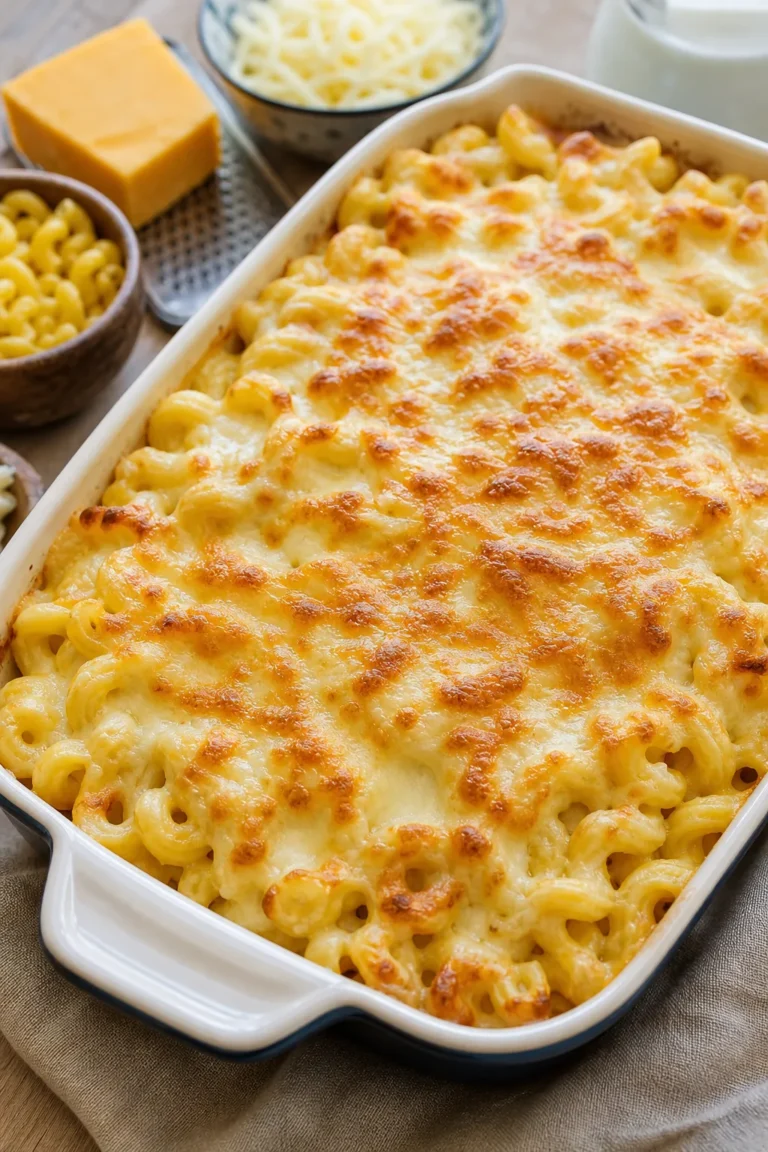
Tini-Style Baked Mac and Cheese (Fırında Peynirli Makarna) Recipe
 45 min
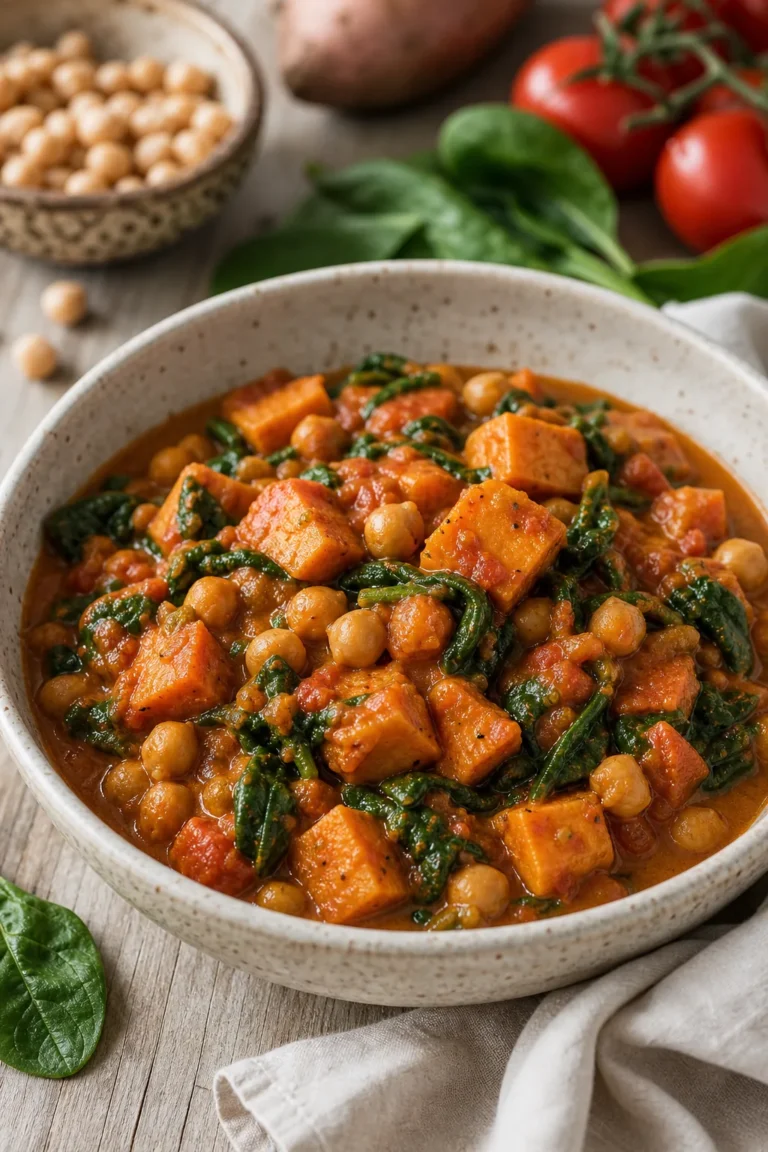
Sweet Potato Peanut Butter Curry Recipe (Tatlı Patatesli Fıstık Ezmeli Köri)
 55 min
Chili Con Carne Recipe (with Ground Beef and Beans)
 1 hr 40 min